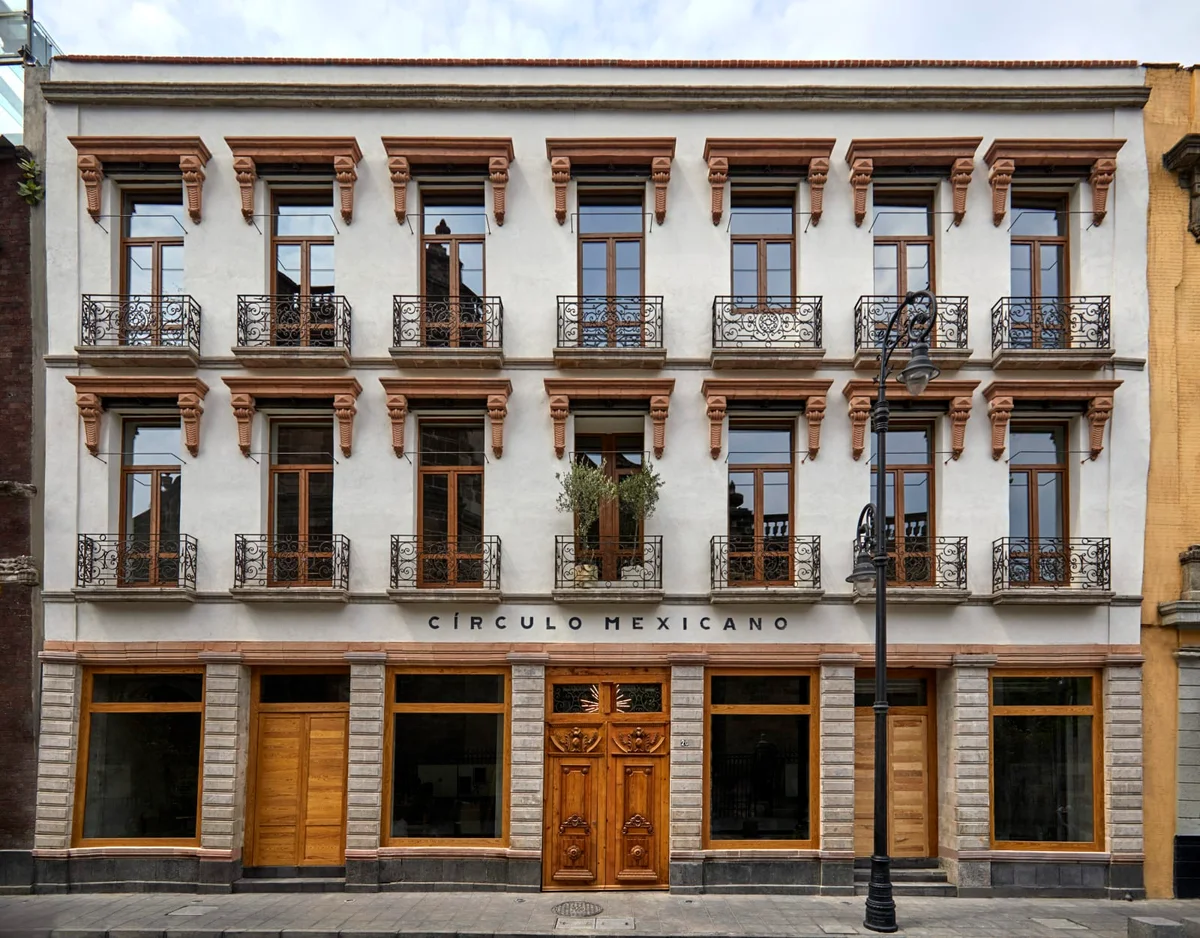
Circulo Mexicano, Mexico
When you book Circulo Mexicano, Mexico in Mexico City, Mexico, through our Design Hotels Collective partnership, your stay includes daily breakfast for two. No premium credit card or membership needed: request a quote and our advisor books it at the same rate as booking direct.
Exclusive Booking Perks
These perks are included with your stay at the same rate as booking direct with the hotel.
- VIP status
- Daily breakfast for two
- Room upgrade/early check-in/late check-out (subject to availability)
- For Rooms: A bottle of Mezcal from the house, with local handcrafted souvenirs.
- For Suites: Complimentary three course dinner (selection of the chef) for two with a bottle of wine included.
Guest feedback
8.8/10 from 238 guest reviews
By category
Guests liked
- Great location
- Beautiful hotel
Points to consider
- Noise from neighbors
- Limited helpfulness from staff
Location
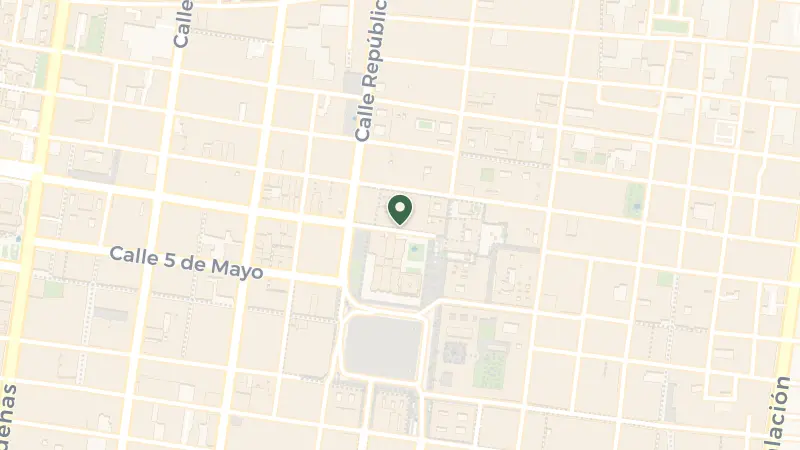
Círculo Mexicano anchors itself in Centro, the historic heart of Mexico City where 16th-century Spanish ambition rewrote Aztec Tenochtitlan into a colonial grid. The property sits within walking distance of the Zócalo, Latin America's largest plaza, where the National Palace unfolds its Diego Rivera murals along one flank and the Metropolitan Cathedral claims another. This is a neighborhood of layered time: pre-Hispanic foundations supporting baroque churches, art deco facades shouldering against modernist interventions, market vendors calling out along streets where vice-regal processions once passed. The air at 2,240 meters carries a crystalline quality, thin and sharp, that makes distances feel compressed and light uncommonly clear.
The Centro hums with a particular energy. Morning brings the smell of fresh tortillas from corner taquerías, the clatter of metal shutters rolling open along República de Argentina. By afternoon, street musicians claim the plazas, and the sidewalks thicken with office workers, students from nearby San Ildefonso College, and vendors selling everything from tamarind candy to bootleg films. This is not a museum district preserved in amber but a working neighborhood where history operates as infrastructure.
Benito Juárez International Airport lies seven kilometres east. Taxis and ride-hailing apps make the transfer straightforward, though traffic thickens during evening rush hours when the city's twenty-one million souls move in concert.
Within two kilometres, the Historic Centre of Mexico City and Xochimilco UNESCO site unfolds its full inventory: five Aztec temples embedded in Spanish colonial architecture, the Academia de San Carlos where Mexican academic painting took root in 1781, the Aztec sun stone (carved 1510) displayed at the National Museum of Anthropology. The Polyforum Cultural Siqueiros, seventeen kilometres south, houses David Alfaro Siqueiros's vast mural "The March of Humanity," a 360-degree political manifesto in paint. Sunday mornings, the Tianguis La Lagunilla market sprawls across several blocks 1.3 kilometres away, where vendors hawk vintage typewriters, pre-Columbian-style pottery of dubious provenance, and wool serapes in eye-watering synthetic dyes. Book a table at Masala y Maíz, 1.7 kilometres from the property, where Norma Listman and Saqib Keval earn their Michelin star by threading African, Indian, and Mexican cuisines into dishes like sikil pak with chapati or mole amarillo with paneer.
For those willing to travel, Quintonil (two Michelin stars, 6.2 kilometres) serves contemporary Mexican cuisine named for a Oaxacan herb, while Pujol (two stars, 6.5 kilometres) remains Enrique Olvera's seminal statement on modern Mexican gastronomy. Start your explorations at the Mercado San Juan, 1.3 kilometres away, where stalls specialise in exotic ingredients: huitlacoche, escamoles, cuts of venison and wild boar that speak to Mexico's deeper culinary traditions.
Winter (December through February) brings the year's clearest skies and coolest nights, lows dropping to seven degrees while afternoons warm to twenty-one. The city takes on a particular crispness during these months, pollution scoured by dry winds, the volcanos Popocatépetl and Iztaccíhuatl visible from rooftops on lucky days.
Spring arrives with jacaranda blooms turning entire avenues purple in late March, though by May the rains begin their daily afternoon drumming. Summer (June through September) means thunderstorms most afternoons, the city's inadequate drainage turning low-lying streets to temporary canals, but mornings remain bright and temperatures moderate, rarely climbing above twenty-three degrees.
Autumn dries out by November, bringing the Día de Muertos preparations when markets overflow with cempasúchil marigolds and sugar skulls. October through early December offers ideal conditions: warm days, cool nights, and the cultural calendar at full throttle.
Frequently Asked Questions

Quotes are personally reviewed by Natasha Hardy, founder of The Uncommon Traveller
5.0 rating · 8 Google reviewsThere is no fee or markup. The hotel pays our commission.
Request a Quote 29 Bib Gourmand