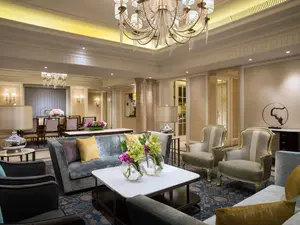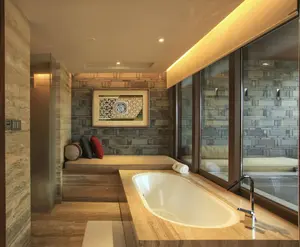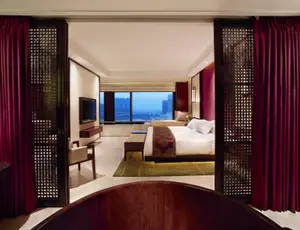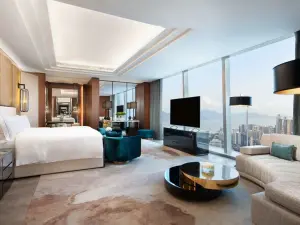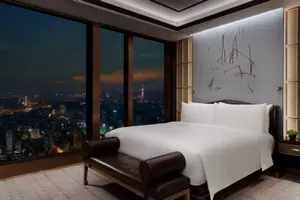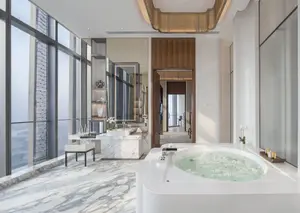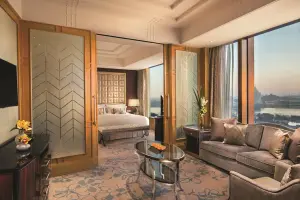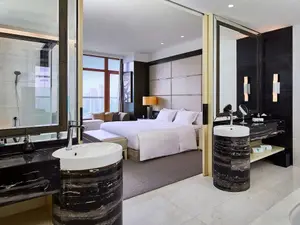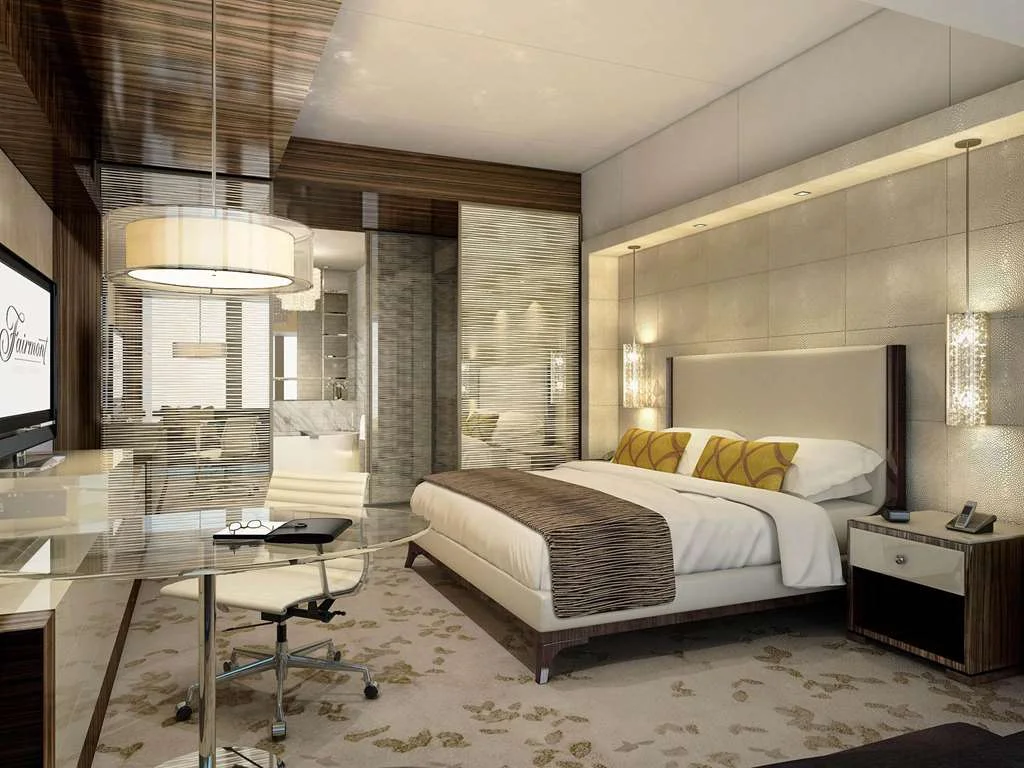
Fairmont Nanjing
When you book Fairmont Nanjing in China through our Accor Hera partnership, your stay includes daily breakfast for two and a $100 USD hotel credit. You also receive a room upgrade, early check-in and late check-out when available. You continue earning ALL Accor points and elite night credits. No premium credit card or membership needed: request a quote and our advisor books it at the same rate as booking direct.
Exclusive Booking Perks
These perks are included with your stay at the same rate as booking direct with the hotel.
- Daily complimentary breakfast for 2, per room
- $100 USD credit to be spent on property (conditions defined at check-in)
- Early check-in & late check-out (upon availability)
- Upgrade at time of check-in (upon availability)
Location
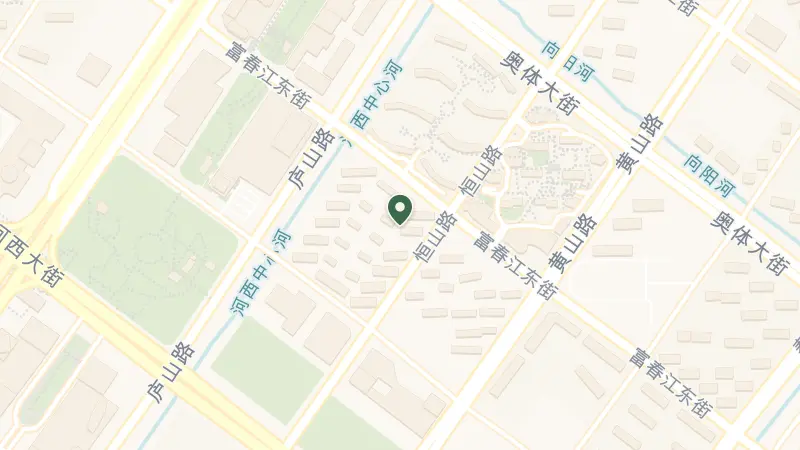
Fairmont brings its legacy of landmark hospitality to Nanjing, a city where six dynasties once ruled and where the Yangtze River meets millennia of imperial history. This is not the China of neon-lit modernity alone. Nanjing's character runs deeper, woven through Ming-era city walls that still encircle portions of the old town, temple gardens where incense smoke curls through ancient camphor trees, and boulevards lined with plane trees planted a century ago. The hum of the city, rapid and purposeful, mingles with the quieter rhythms of the Qinhuai River's willow-shaded banks and the call to prayer from mosques dating to the Yuan dynasty.
Shazhou, the property's neighbourhood, sits within reach of the city's cultural anchors. The Presidential Palace, site of political upheaval and transformation, lies within easy distance, as does the Confucius Temple district, where wooden storefronts spill over with silk, tea, and the scent of steaming xiaolongbao. Markets like JLC and Huanbei thrive seven kilometres from the hotel, their morning crowds haggling over winter melon and river shrimp.
Nanjing Lukou International Airport sits thirty-two kilometres southwest, connected by metro and taxi routes that cut through the city's sprawl in under an hour.
The city's Michelin-starred dining scene deserves attention. Dai Yuet Heen, seven and a half kilometres from the property, holds one star for Cantonese cuisine shaped by Chef Liang's three decades of experience, including formative years in Macau. Book a table for his steamed grouper with aged tangerine peel, a dish that balances sweetness and bitterness with surgical precision. Jiangang Wok · Yun, ten kilometres away, showcases Chef Hou's contemporary Huaiyang techniques, refined knifework transforming seasonal Jiangsu produce into delicate cold platters and lake fish simmered in rice wine. Start with the lion's head meatballs, impossibly tender and fragranced with crab roe.
Zhongshan Mountain National Park, twelve kilometres east, offers forested trails leading to the Sun Yat-sen Mausoleum, where 392 granite steps ascend to sweeping views of the city and the purple-hued peaks that give the range its Chinese name. The park's temples and pagodas, some dating to the Six Dynasties period, provide quiet counterpoints to the city's industrial energy.
Winter arrives sharp and dry, temperatures hovering just above freezing in January, the air brittle enough to frost temple eaves and send locals into teahouses for warmth. Spring unfolds gradually, March bringing soft light and the first blossoms on plum trees, though April rains can drench the city for days. Visit then, when the humidity hasn't yet settled in.
Summer, June through August, turns heavy and humid, temperatures climbing past thirty degrees and monsoon rains flooding the streets in sudden afternoon downpours. The heat doesn't break until September, when cooler air returns and the plane trees begin their slow fade to gold.
Autumn, October and November, is the city's finest season. The sky clears to sharp blue, temperatures settle into the low twenties, and the scent of osmanthus blooms drifts through the old neighbourhoods.
Frequently Asked Questions

Quotes are personally reviewed by Natasha Hardy, founder of The Uncommon Traveller
5.0 rating · 8 Google reviewsThere is no fee or markup. The hotel pays our commission.
Request a Quote 21 Bib Gourmand