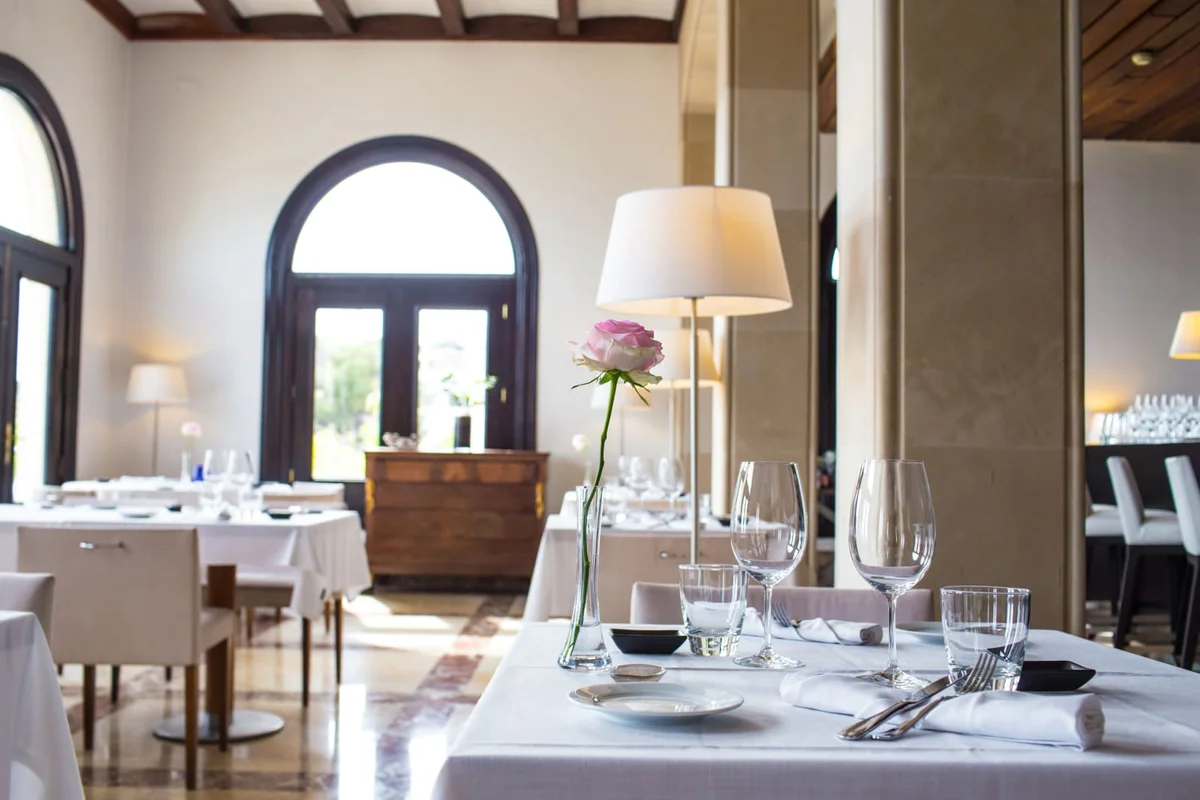
Hospes Maricel & Spa, Palma de Mallorca, a
When you book Hospes Maricel & Spa, Palma de Mallorca, a in Spain, through our Design Hotels Collective partnership, your stay includes daily breakfast for two. No premium credit card or membership needed: request a quote and our advisor books it at the same rate as booking direct.
Exclusive Booking Perks
These perks are included with your stay at the same rate as booking direct with the hotel.
- VIP status
- Daily breakfast for two
- Room upgrade/early check-in/late check-out (subject to availability)
- For Rooms: Fruit basket, chocolates and cava bottle
- For Suites: Champagne or Fino/Manzanilla bottle with Serrano ham and cheese
Guest feedback
Based on 101 guest reviews
By category
Guests liked
- Ocean view
- Positive overall experience
Points to consider
- Limited food options
- Long service time
Location
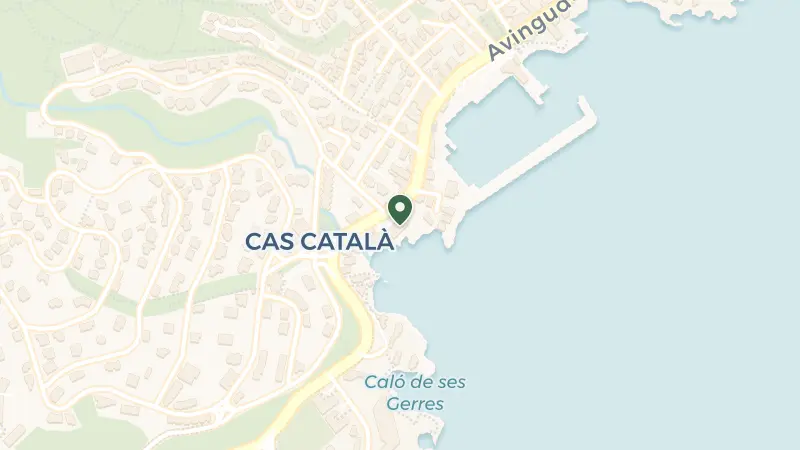
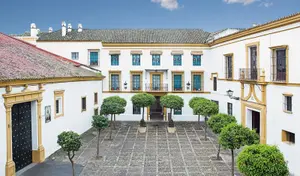
Hospes Maricel & Spa occupies a privileged stretch of Mallorca's southwestern coastline in Cas Català, where the Mediterranean laps against rocky coves and the scent of pine drifts down from the hills. This is Mallorca at its most serene: away from the crowds that pour through Palma de Mallorca Airport (twelve kilometres east), yet close enough to feel the capital's cultural pull. The property sits directly above Caló dels Macs and Platja de Cas Català, two intimate beaches where locals spread towels on smooth stones and the water runs impossibly clear.
Palma itself, the Balearic capital, unfolds just five kilometres east along the coast. Its Gothic cathedral rises above the harbour like a tawny limestone crown, and the old quarter's narrow streets open onto hidden patios where orange trees shade Moorish fountains. The city carries centuries of layered history: Roman, Moorish, Catalan, Spanish. You feel it in the stone, hear it in the dialect (Catalan here, not Castilian), taste it in the ensaimadas spiralling in bakery windows.
The Cala Nova marina lies three hundred metres down the shore, its masts clinking softly in the evening breeze. Further west, the Serra de Tramuntana rises in dramatic folds, its terraced olive groves and dry-stone walls recognized by UNESCO as a living cultural landscape.
The property's proximity to Palma delivers access to some of Mallorca's finest dining. Es Fum, housed four and a half kilometres east at the St. Regis Mardavall, holds one Michelin star and showcases creative international cuisine beneath works by Miró. DINS Santi Taura, five kilometres away near the cathedral, translates traditional Mallorcan recipes (think sobrassada, tumbet, frit mallorquí) through a modern lens, while Zaranda, tucked within the old quarter at five and a half kilometres, offers Fernando Pérez Arellano's inventive tasting menus. Book a table at any of these well in advance.
Beyond the plate, the island rewards wanderers. Mercat de Santa Catalina, four and a half kilometres inland, pulses with morning energy: fishmongers arranging sea bass on ice, vendors selling glossy tomatoes and ram de carabassó. Golf de Son Muntaner lies four kilometres north for those who favour links over beaches. The Serra de Tramuntana, twenty-two kilometres northwest, unfolds in ancient stone terraces and mountain villages where time moves differently. Don't miss the coastal path west from the property, where pine forests meet limestone cliffs and the only sound is the sea below.
Summer arrives in force by June, when temperatures climb past twenty-five degrees and the Mediterranean warms to bathwater. July and August see barely a drop of rain; the light turns white-hot by midday, softening to amber as the sun dips toward Ibiza. Streets empty during siesta, then fill again after nine when dinner begins.
Spring and autumn bracket the heat with gentler days. May and September hover around the low twenties, perfect for hiking the Tramuntana or exploring Palma's markets without breaking a sweat. October brings the year's heaviest rains, but also dramatic cloud formations over the sea and fewer tourists in the cathedral's cloisters.
Winter remains mild by northern European standards, rarely dipping below ten degrees. The island quiets, locals reclaim the beaches, and you can wander Palma's ramparts with only the wind for company. Pack a light jacket for evenings.
Frequently Asked Questions

Quotes are personally reviewed by Natasha Hardy, founder of The Uncommon Traveller
5.0 rating · 8 Google reviewsThere is no fee or markup. The hotel pays our commission.
Request a Quote 2 Bib Gourmand