Hotel Excelsior Venice
When you book Hotel Excelsior Venice in Italy through our Fora Reserve partnership, your stay includes a welcome amenity. You also receive a one-category room upgrade, early check-in and late check-out when available. No premium credit card or membership needed: request a quote and our advisor books it at the same rate as booking direct.
Exclusive Booking Perks
These perks are included with your stay at the same rate as booking direct with the hotel.
- Complimentary upgrade to the next room category, subject to availability at time of arrival
- Early check-in and late check-out, subject to availability
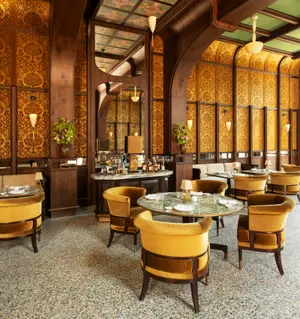
- Daily breakfast for two guests per room, served in the restaurant (excluding room service)
- Welcome amenity
- €100 resort credit, valid toward food and beverage outlets and first-row lateral beach cabana rental at Excelsior Venice Lido Resort (cabanas available June 1–September 15, 2025)
Guest feedback
8.8/10 from 1,073 guest reviews
By category
Guests liked
- Beautiful hotel and facilities
- Amazing breakfast
- Friendly staff
Points to consider
- Beach was closed for the season
- Poor experience with a restaurant dish
Location
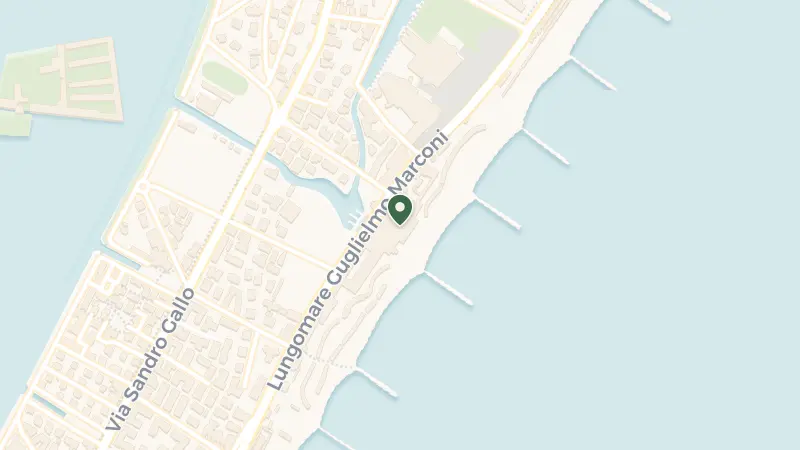
The Lido-Pellestrina district offers a remarkable counterpoint to the grand palazzos and crowded calli of Venice's centro storico. This barrier island, a narrow strip of sand and pine groves separating the Venetian Lagoon from the Adriatic, carries the salt-tinged quiet of a seaside retreat with the Republic's thousand-year history still palpable beneath the surface. Founded in the fifth century across 118 islands in the shallow waters between the mouths of the Brenta and Sile rivers, Venice became a maritime empire that shaped Mediterranean trade and culture from the tenth century through the fall of the Republic in 1797. The entire lagoon complex, inscribed as a UNESCO World Heritage Site in 1987, remains an architectural masterpiece where even the smallest structures speak to centuries of Venetian ingenuity.
On the Lido, Belle Époque villas line tree-shaded streets that empty onto wide beaches. The island's golden age as a resort destination left a legacy of grand hotels and a slower rhythm, worlds away from the gondola traffic four kilometres across the lagoon. Vaporetti depart from wooden piers, connecting the Lido to San Marco and the outer islands in a water-borne network that has defined Venetian life for centuries.
Venice Marco Polo Airport lies eleven kilometres to the north, with water taxis and buses providing direct links to the Lido via the lagoon or the Ponte della Libertà causeway.
The property's position on the Lido opens onto a coastline of sandy beaches that have drawn Venetians and visitors since the nineteenth century. Venice Lido's lifeguarded stretch lies just over a kilometre away, while San Nicoletto's free beach extends three and a half kilometres north along quieter shores. Summer on the Lido means striped cabanas, pine-shaded promenades, and the Adriatic lapping at sand that feels impossibly removed from the marble and mosaic splendour across the water. Book a table at Glam Enrico Bartolini, a two-Michelin-starred restaurant five kilometres away within Palazzo Venart, where creative contemporary cuisine unfolds between quiet canals in one of Venice's most exclusive residences. Further afield, Antica Osteria Cera in Lughetto, eighteen kilometres inland, holds two stars for seafood-focused modern dishes that shift with the season and the catch.
The Rialto Market, less than five kilometres across the lagoon, still operates as it has for centuries: fishmongers arrange lagoon catch on ice at dawn, while vegetable stalls overflow with radicchio and artichokes. The islands themselves are cultural landmarks, from the fresco cycles of Padua (a UNESCO site thirty-eight kilometres west, painted between 1302 and 1397) to the Palladian villas scattered across the Veneto countryside. Circolo Golf Venezia, seven and a half kilometres away, offers a rare expanse of green fairways on this narrow island.
Winter brings a pewter light to the lagoon and temperatures that hover near freezing at night, climbing only to seven or eight degrees by midday. Acqua alta floods St. Mark's Square with tidal regularity, and the Lido takes on a melancholy stillness under low clouds and mist rolling in from the Adriatic.
Spring arrives with sudden warmth in April and May, when highs reach the upper teens and low twenties. The city shakes off its winter quiet, cafe tables reappear along fondamenta, and the light turns golden on weathered brick. This is Venice at its most inviting, before summer crowds descend.
Summer transforms the Lido into a beach resort, with July and August temperatures climbing above twenty-seven degrees and the Adriatic warm enough for swimming. September extends the season with warm days in the low twenties and softer light that photographers prize. October's rains return, drenching the city and signalling the close of the warm months.
Frequently Asked Questions

Quotes are personally reviewed by Natasha Hardy, founder of The Uncommon Traveller
5.0 rating · 8 Google reviewsThere is no fee or markup. The hotel pays our commission.
Request a Quote 4 Bib Gourmand