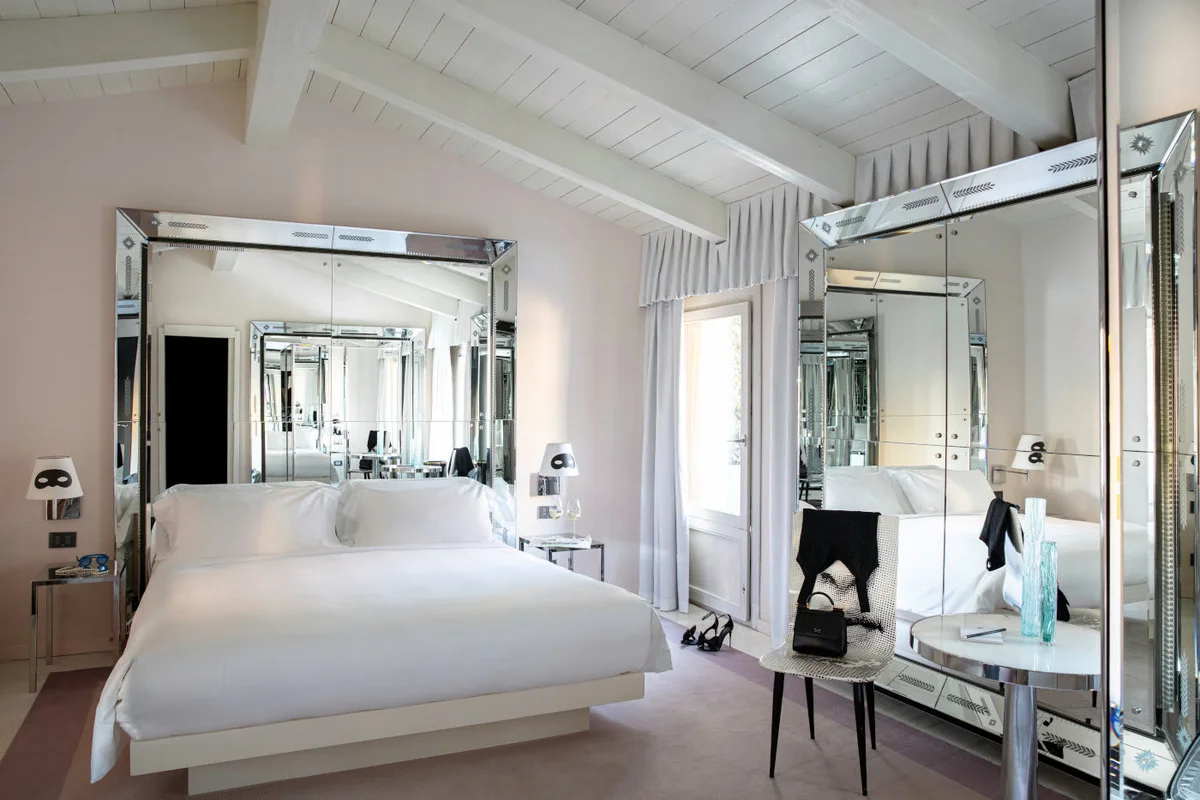
Palazzina Grassi
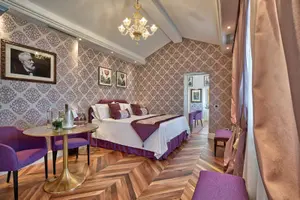
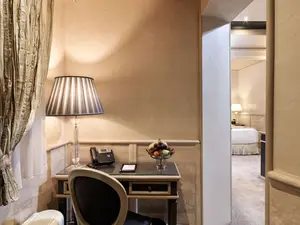
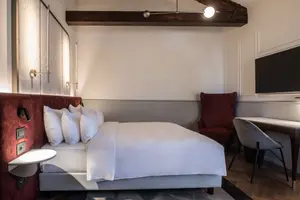
When you book Palazzina Grassi in Venice, Italy, through our Fora Reserve partnership, your stay includes daily breakfast for two and a personalised welcome amenity. You also receive a one-category room upgrade, early check-in and late check-out when available. No premium credit card or membership needed: request a quote and our advisor books it at the same rate as booking direct.
Exclusive Booking Perks
These perks are included with your stay at the same rate as booking direct with the hotel.
- Complimentary daily breakfast for 2
- Priority early check-in and late check-out
- Room upgrade to the next category upon availability on arrival
- Personalised welcome amenity in room on arrival
- 100 USD hotel credit (only applicable to non-promotional and refundable rates)
- 10% discount for lunch and dinner at the hotel restaurant
- Complimentary minibar (for suites)
- One complimentary 3 course dinner for stay on min 3 nights (for suites)
Guest feedback
9.5/10 from 367 guest reviews
By category
Guests liked
- Excellent breakfast (eggs Benedict, pancakes)
- Exceptional, attentive staff and concierge
- Central but quiet location; great base for exploring Venice
Points to consider
- Some room categories have no water view
- A few guests reported uncomfortable beds
- One guest reported an odor in their room
Location
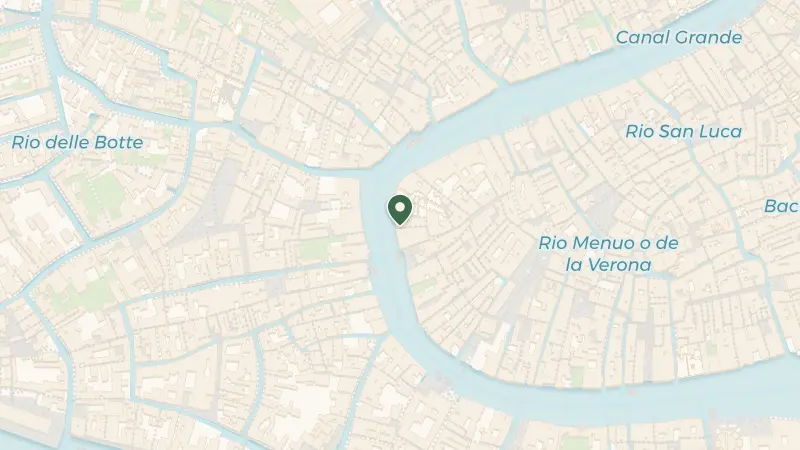
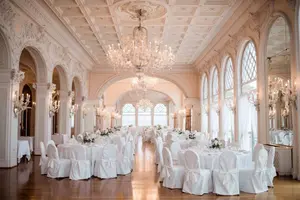
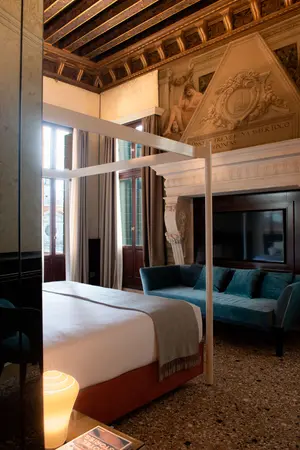
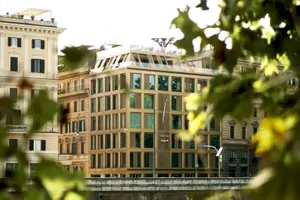
Palazzina Grassi occupies a restored 18th-century palace in San Marco, the historic heart of Venice where maritime wealth once translated into architectural excess. The property sits minutes from the Rialto Market, where fishmongers still hawk lagoon catch at dawn, and the Grand Canal, whose green water reflects centuries of mercantile ambition. This is Venice at its most concentrated: church bells echo across campi, tourists funnel toward St Mark's Basilica (a short walk east), and the Republic's thousand-year shadow still colours every sotoportego and bridge. The neighbourhood hums with the particular energy of a city built on improbable engineering, where narrow calli open suddenly onto sunlit squares and gondoliers pole past Gothic palazzi with the practised indifference of bus drivers.
The city proper spreads across 126 islands in the Venetian Lagoon, stitched together by 472 bridges and bisected by the sinuous Grand Canal. Founded in the fifth century, Venice grew into a maritime superpower by the 10th, controlling spice routes and silk trade until Napoleon dissolved the Republic in 1797. Today the centro storico houses fewer than 50,000 residents, the rest of the comune's population pushed to the terraferma mainland or outlying islands like Murano and Burano.
Venice Marco Polo Airport sits eight kilometres north on the lagoon edge, linked to the city by water taxi (the most direct option), Alilaguna ferry, or bus to Piazzale Roma, where all wheeled transport ends and the waterways begin.
Within walking distance, the Rialto Market sustains Venice's culinary pulse. Arrive before noon to watch fishmongers shuck scallops and arrange moeche (soft-shell crabs) on ice beds, their Venetian dialect sharp over the clatter of crates. Eight hundred metres south, Glam Enrico Bartolini holds two Michelin stars inside Palazzo Venart, serving contemporary interpretations of lagoon seafood in a dining room overlooking a private garden. Book a table for risotto al nero di seppia prepared with cuttlefish ink, or scampi crudo dressed with aged balsamico. For a deeper pilgrimage, Le Calandre (three stars) lies 40 kilometres northwest in Rubano, where the Alajmo brothers have redefined Veneto cooking since the 1980s with dishes like saffron risotto deconstructed into foam and crisp. St Mark's Basilica, the Republic's spiritual anchor for a millennium, glitters with Byzantine mosaics that trace trade routes to Constantinople. Its golden interior holds the relics of Saint Mark, smuggled from Alexandria in the ninth century under layers of pork to fool Muslim inspectors.
The Doge's Palace, attached to the basilica's flank, opens its Gothic council chambers and prison cells (Casanova's escape route included) to visitors who want to parse the Republic's bureaucratic machinery. Cross the Ponte dei Sospiri to imagine what condemned prisoners glimpsed through stone grilles before disappearing into darkness.
April through June delivers Venice's most forgiving weather: temperatures climb from 16°C to the mid-twenties, light slants golden across canal water in late afternoon, and spring rains (heavier in April and May) rinse the city clean without lingering. Cafés spill chairs onto campi, and the Giardini Pubblici green up for the Biennale opening.
July and August push past 27°C with thick humidity that amplifies the lagoon's faint brine smell. Crowds thicken, traghetti crossings grow sluggish, and midday heat drives locals indoors for pranzo. September rebalances: cooler air, thinning tourist density, softer light that photographers covet.
October through March turns moody. November sees acqua alta (high water) flood St Mark's Square when tides and sirocco winds converge, requiring raised walkways and rubber boots. Mist softens bridge silhouettes, temperatures hover in single digits, and the city reclaims its melancholy solitude. Winter light is pale and indirect, best for contemplating Tintoretto canvases in empty churches.
Frequently Asked Questions

Quotes are personally reviewed by Natasha Hardy, founder of The Uncommon Traveller
5.0 rating · 8 Google reviewsThere is no fee or markup. The hotel pays our commission.
Request a Quote 5 Bib Gourmand