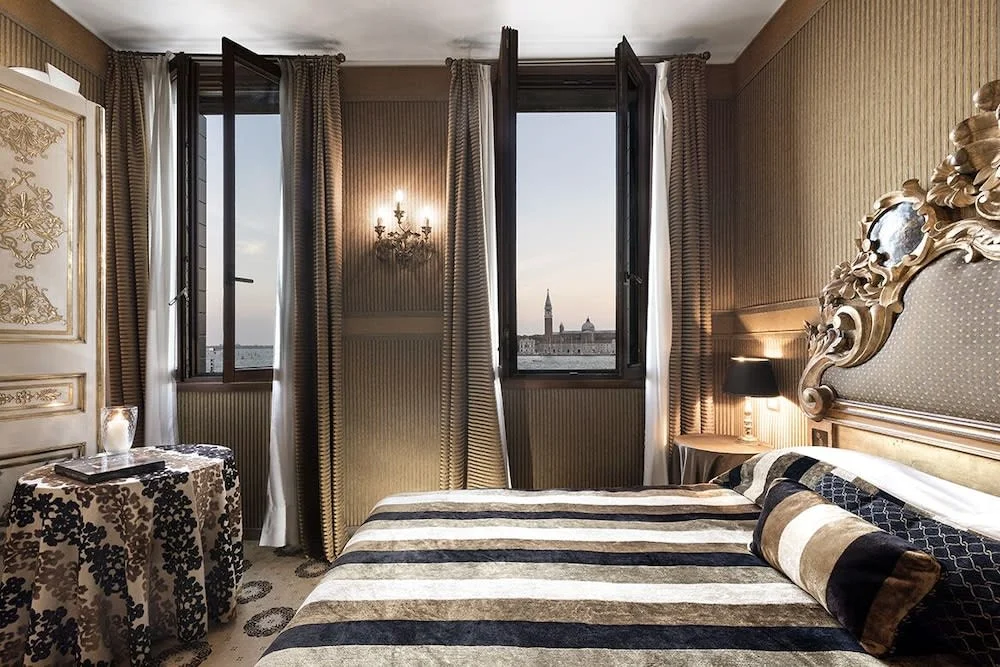
Hotel Metropole Venezia
When you book Hotel Metropole Venezia in Venice, Italy, through our Tablet Plus partnership, your stay includes a 90 EUR hotel credit per stay and a welcome gift. You also receive a one-category room upgrade and late check-out when available. No premium credit card or membership needed: request a quote and our advisor books it at the same rate as booking direct.
Exclusive Booking Perks
These perks are included with your stay at the same rate as booking direct with the hotel.
- Upgrade to next room category, based upon availability at check-in
- 90 EUR hotel credit per room, per stay
- Guaranteed 1pm late check-out
- Complimentary welcome gift in room on arrival
Guest feedback
8.8/10 from 755 guest reviews
By category
Guests liked
- Helpful staff
- Perfect location
- Clean and comfortable rooms
Points to consider
- Humidity in rooms
- Spa not included in price
- Limited breakfast options
Location
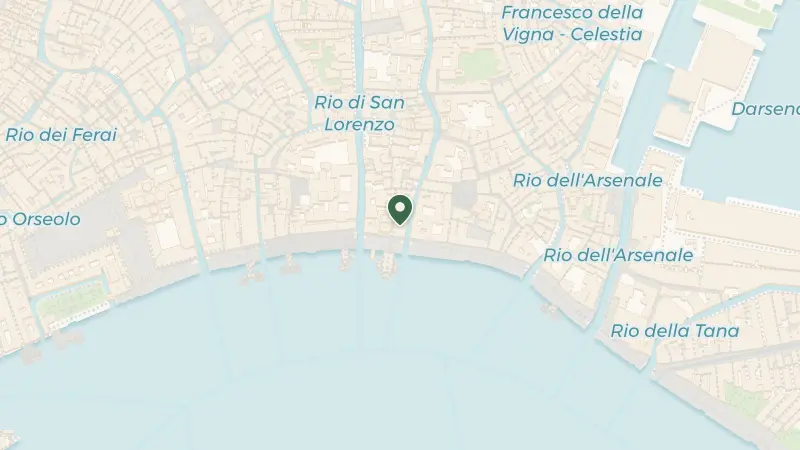
The hotel stands at the edge of Castello, Venice's largest sestiere, where the rhythms of daily Venetian life persist beyond the tourist currents. This is the sestiere that stretches eastward from San Marco toward the Arsenale and the lagoon's open water, a district where neighbourhood bacari still anchor corners and washing lines string between ochre palazzi. Founded in the fifth century across 126 islands threaded by canals and linked by 472 bridges, Venice became a maritime and financial colossus by the tenth century, dominating Mediterranean trade routes for nearly a millennium as capital of the Republic until 1797. The entire city and its lagoon form a UNESCO World Heritage Site, recognized as an extraordinary architectural masterpiece built on water.
Castello holds the Arsenale, the vast shipyard that once launched the fleets of the Serenissima, and the Giardini pubblici, rare open parkland in a city of stone and canal. The Riva degli Schiavoni curves along the waterfront minutes away, offering unobstructed views across to San Giorgio Maggiore. The Rialto Market stands one kilometre west, still the city's produce and seafood heart after centuries.
Venice Marco Polo Airport lies eight kilometres north across the lagoon, reachable by water taxi or Alilaguna shuttle boat; the mainland station connects to regional rail lines toward Padua and Treviso.
Within the Castello labyrinth, trattorias and wine bars cluster in sottoporteghi where marble wellheads mark former freshwater sources. Book a table at Glam Enrico Bartolini, a two-Michelin-starred restaurant 1.4 kilometres away set within Palazzo Venart, where creative contemporary plates draw on the lagoon's heritage with technical precision. For those willing to venture further, Antica Osteria Cera in Lughetto, 17.5 kilometres distant, holds two stars for seafood-focused modern cuisine refined season after season. The Rialto Market opens early mornings one kilometre west: watch fishmongers arrange moeche (soft-shell crabs) and castraure (baby artichokes) on ice while greengrocers stack San Erasmo violet artichokes in wooden crates.
The Arsenale's dockyards, once capable of assembling a warship in a day, now house the Biennale exhibitions in vaulted brick rope-walks and timber-ceilinged warehouses. Cross the lagoon by vaporetto to San Giorgio Maggiore, where Palladio's white Istrian stone facade rises above the water and the campanile offers sweeping views over the rooftops and bell towers. Marina di San Giorgio Maggiore, 700 metres south, moors sleek yachts beneath the island's cypress-shaded perimeter.
Winter settles over the lagoon with acqua alta tides and pale light glancing off wet pavements, temperatures hovering between one and eight degrees. Fog thickens over canals in January, muffling footsteps on stone bridges and turning the city spectral and introspective. February brings Carnevale's elaborate masks and costumed crowds filling the campi despite the chill.
Spring warms quickly, March and April lifting temperatures into the mid-teens while wisteria drapes over garden walls and cafe tables colonize every available square. May through June is ideal: skies brighten, humidity remains manageable, and the city opens itself to long evenings when apricot light washes across the Grand Canal. The Biennale opens, drawing art crowds into the sestieri.
July and August climb toward twenty-eight degrees with thick humidity and swollen tourist numbers; locals decamp to the Lido beaches where San Nicoletto's sands stretch along the barrier island three kilometres east. September cools into the low twenties, restoring balance as the city empties and October's longer shadows announce autumn's arrival before winter rains return.
Frequently Asked Questions

Quotes are personally reviewed by Natasha Hardy, founder of The Uncommon Traveller
5.0 rating · 8 Google reviewsThere is no fee or markup. The hotel pays our commission.
Request a Quote 5 Bib Gourmand