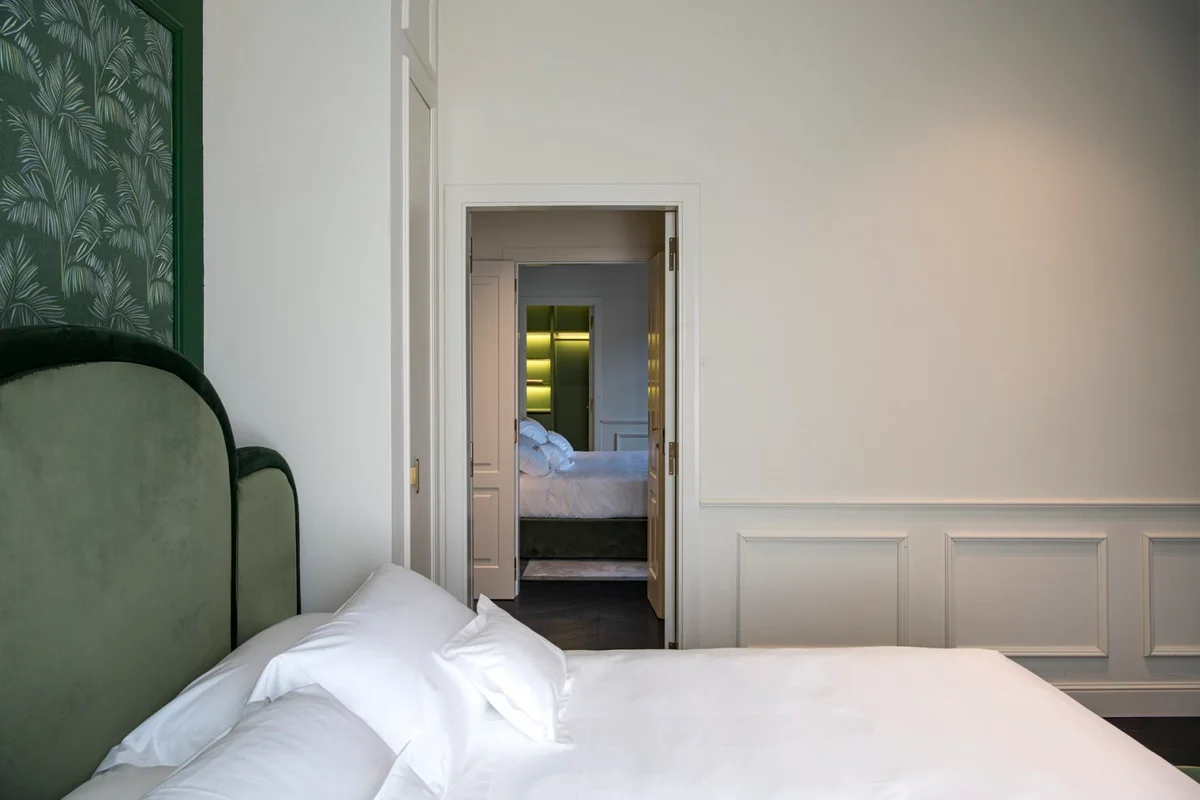
Hotel La Gemma
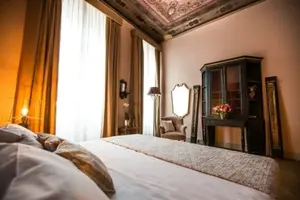
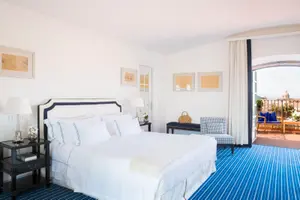
When you book Hotel La Gemma in Florence, Italy, through our Tablet Plus partnership, your stay includes a welcome treat. You also receive a one-category room upgrade when available. No premium credit card or membership needed: request a quote and our advisor books it at the same rate as booking direct.
Exclusive Booking Perks
These perks are included with your stay at the same rate as booking direct with the hotel.
- Upgrade to next room category, based upon availability at check-in
- 90 EUR hotel credit per room, per stay (2 night minimum)
- Complimentary welcome drink per guest, per stay
- Welcome treat in room on arrival
Guest feedback
9.7/10 from 1,771 guest reviews
By category
Guests liked
- Great location
- Friendly staff
- Comfortable rooms
Points to consider
- Noise issues
- Limited amenities
- No kettle provided
Location
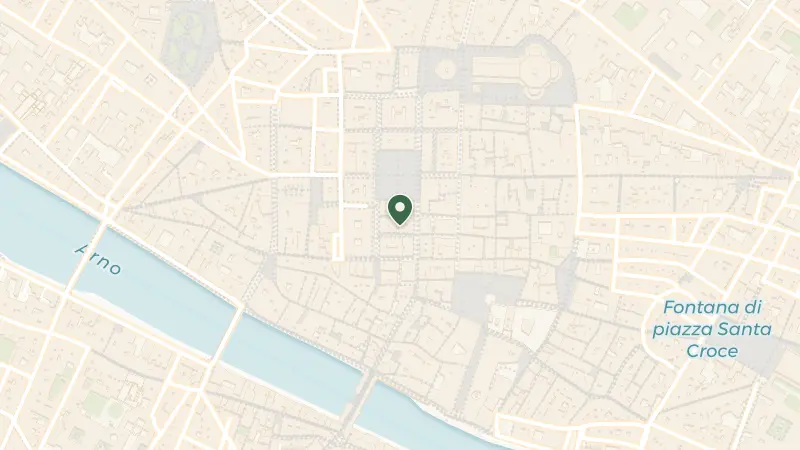
Hotel La Gemma sits in the Oltrarno, the district south of the Arno where Renaissance Florence feels less rehearsed, more lived-in. The streets here narrow into stone corridors lined with artisan workshops, restoration studios where gold leaf is pressed onto canvas, and wine bars where locals still outnumber tourists. This is the Florence of Santo Spirito's unfinished façade and the Palazzo Pitti's vast amber walls, where the Medici once ruled from a palace that now houses six museums. The Oltrarno was the city's working quarter during the Renaissance, and that character persists: leather-workers tap at benches, framers measure gilt edges, and the morning light slants through archways much as it did when Dante walked these same stones.
The property anchors you within the UNESCO-protected Historic Centre, the birthplace of the Renaissance and still a living archive of that transformation. Piazzale Michelangelo rises to the south, offering the city's most sweeping view over terracotta rooftops and Brunelleschi's dome. The Ponte Vecchio is a short walk north across the river, its medieval shops still hanging over the water.
Florence Airport lies six kilometres northwest, a quick shuttle or taxi ride. The city itself unfolds on foot from here: Mercato del Porcellino and its bronze boar are barely a hundred metres away, the Duomo's marble stripes less than a kilometre north.
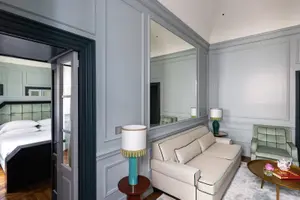
Luca's by Paulo Airaudo, the property's one-Michelin-starred restaurant, occupies an intimate L-shaped dining room distinguished by green boiserie and contemporary detailing. Airaudo's cooking leans into seasonal Italian ingredients with technical precision, each plate a study in restraint. Book a table here for the tasting menu, which shifts with the market but always circles back to Tuscan foundations.
Off-site, Enoteca Pinchiorri holds three stars in a seventeenth-century palazzo on Via Ghibellina, less than seven hundred metres east. This is one of Italy's legendary dining rooms, its wine cellar a pilgrimage site in its own right. The Mercato di San Lorenzo, six hundred metres north, sprawls under iron-and-glass roofing erected in the 1870s: come early for porcini, pecorino, and the vendors who've held the same stalls for decades. Leather market stalls cluster seven hundred metres northeast, though quality varies wildly. For a countryside detour, Arnolfo in Colle di Val d'Elsa, forty kilometres south, earns two stars for creative cooking framed by glass walls that dissolve into the Tuscan hills. Don't miss the passeggiata up to Piazzale Michelangelo at sunset, when the entire city unfolds below in terracotta and stone.
Summer burns white and relentless. July peaks above thirty degrees, the stone radiating heat long past sunset, the Arno reduced to a sluggish ribbon. August empties the city of locals, leaving tourists to wilt under the Tuscan glare. Visit then only if you love the shimmer of heat on marble and deserted morning streets.
Spring and autumn deliver Florence at its most forgiving. April and May bring mild warmth, the hills greening, wisteria draping courtyard walls. September holds summer's glow without its cruelty, the light softer, the cafés reclaimed by residents. October cools quickly, rain frequent, but the museums breathe easier and the city regains its rhythm.
Winter is quiet and often damp, temperatures dipping near freezing at night. The crowds thin to a trickle, the Uffizi galleries almost meditative in January. Mornings can be sharp and bright, the Duomo's marble gleaming against cold blue skies, or grey and drizzling, perfect for ducking into wine bars for ribollita and Chianti.
Frequently Asked Questions

Quotes are personally reviewed by Natasha Hardy, founder of The Uncommon Traveller
5.0 rating · 8 Google reviewsThere is no fee or markup. The hotel pays our commission.
Request a Quote 10 Bib Gourmand