Residence Hilda
When you book Residence Hilda in Florence, Italy, through our Tablet Plus partnership, your stay includes daily breakfast for up to two guests and a welcome treat. You also receive a one-category room upgrade and late check-out when available. No premium credit card or membership needed: request a quote and our advisor books it at the same rate as booking direct.
Exclusive Booking Perks
These perks are included with your stay at the same rate as booking direct with the hotel.
- Upgrade to next room category, based upon availability at check-in
- Guaranteed 1pm late check-out
- Welcome treat in room on arrival
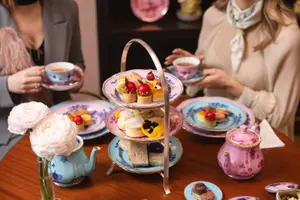
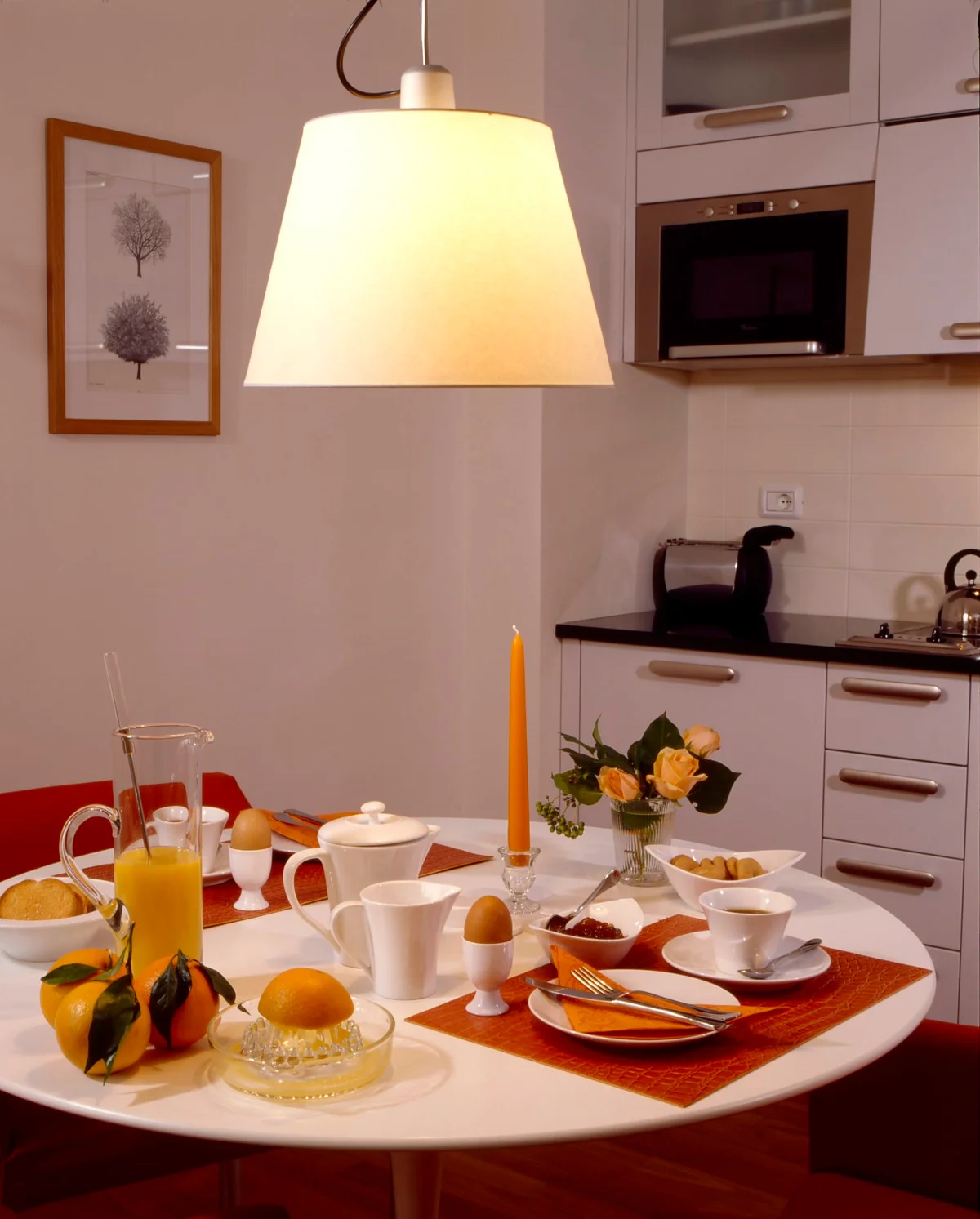
- Complimentary daily breakfast (max 2 guests)
Guest feedback
9.5/10 from 825 guest reviews
By category
Guests liked
- Amazing location
- Friendly staff
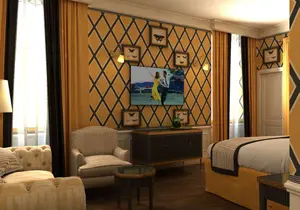
- Clean and spacious rooms
Points to consider
- Issues with breakfast availability
- Some room comfort concerns
Location
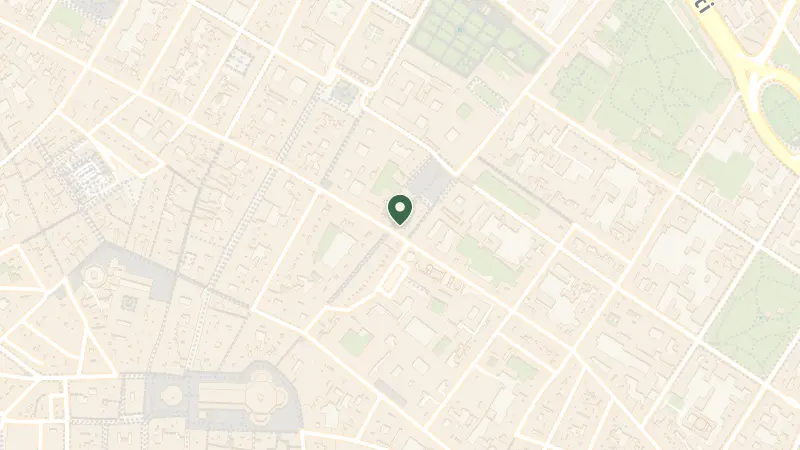
Quartiere 1 holds the soul of Florence, the UNESCO-recognized Historic Centre where the Renaissance first took shape under Medici rule. Narrow cobbled lanes open onto sun-washed piazzas, each turn revealing ochre facades, green shutters, and the distant profile of Brunelleschi's dome. The air smells of leather and espresso, woodsmoke in winter, linden blossoms in spring. Church bells mark the hours, echoing off stone that has witnessed six centuries of artistic and political upheaval.
The neighbourhood's compact scale rewards wandering. Via Ghibellina, lined with Renaissance palazzi and wine bars, runs just beyond the door. The Duomo's marble campanile rises less than a kilometre north, while the Uffizi and Ponte Vecchio define the riverside silhouette to the southwest. Medieval tower silhouettes punctuate the skyline, remnants of rival families who fortified Florence during its mercantile heyday.
Florence Airport lies six kilometres northwest, a short taxi ride through suburbs that give way abruptly to the city's terracotta heart. Arriving from Pisa takes an hour by road, the Tuscan hills rolling past vineyard terraces and villa estates, a preview of the countryside that shaped the Medici's cultural patronage.
Just 650 metres from the property, Enoteca Pinchiorri commands Via Ghibellina from within a seventeenth-century palazzo, its three Michelin stars anchoring one of Italy's most revered dining rooms. The wine cellar here is legendary, the tasting menus an essay in Italian contemporary technique. Closer still, Atto di Vito Mollica (one star, 500 metres) occupies Palazzo Portinari's Corte degli Imperatori, where sixteenth-century Allori frescoes preside over dishes that reimagine Tuscan tradition. Book a table at either for an evening that justifies the pilgrimage to Florence.
The Mercato di San Lorenzo, six hundred metres north, sprawls with leather vendors and alimentari stalls selling porcini, pecorino, and bottles of Chianti Classico. For quieter browsing, the Mercato di Sant'Ambrogio (800 metres) draws local cooks to its produce and butcher counters. The city's galleries demand days: the Uffizi and Accademia (Michelangelo's David stands here) lie within a ten-minute walk. Ten kilometres into the Tuscan hills, the Medici Villas, a UNESCO ensemble of Renaissance estates and gardens, reveal the family's reach beyond Florence's walls. Tenute Ruffino's Poggio Casciano vineyard, also ten kilometres out, offers tastings among the Chianti vine rows.
July and August bring fierce heat, the stone facades radiating warmth long after sunset. Temperatures near thirty degrees send locals to the hills, leaving the Uffizi queues to tourists. Mornings offer the only comfortable walking hours, the city briefly cool before the sun climbs above the Duomo.
Spring and autumn balance mild days with sharp golden light, ideal for exploring markets and hillside villas. October rains arrive suddenly, intense downpours that clear within the hour and leave the streets glistening. November turns moody, mist settling in the Arno valley.
Winter sees daytime highs near ten degrees, evenings cold enough for hearth fires in the city's wine cellars. The low sun burnishes palazzo facades in honeyed tones, and visitor numbers drop, making December through February the most serene months to experience the Renaissance capital.
Frequently Asked Questions

Quotes are personally reviewed by Natasha Hardy, founder of The Uncommon Traveller
5.0 rating · 8 Google reviewsThere is no fee or markup. The hotel pays our commission.
Request a Quote 10 Bib Gourmand