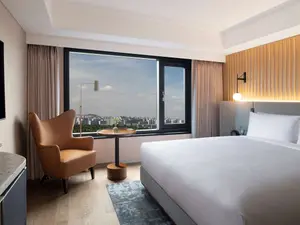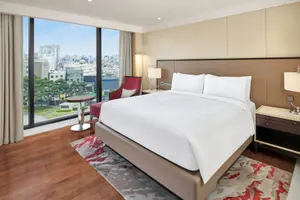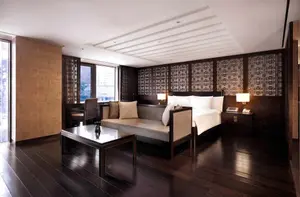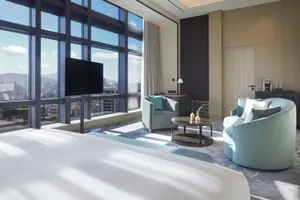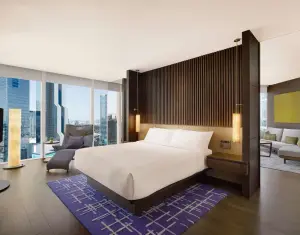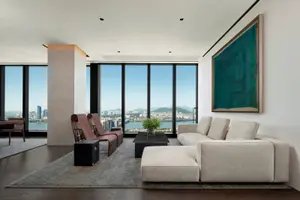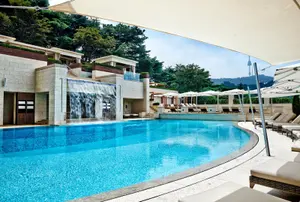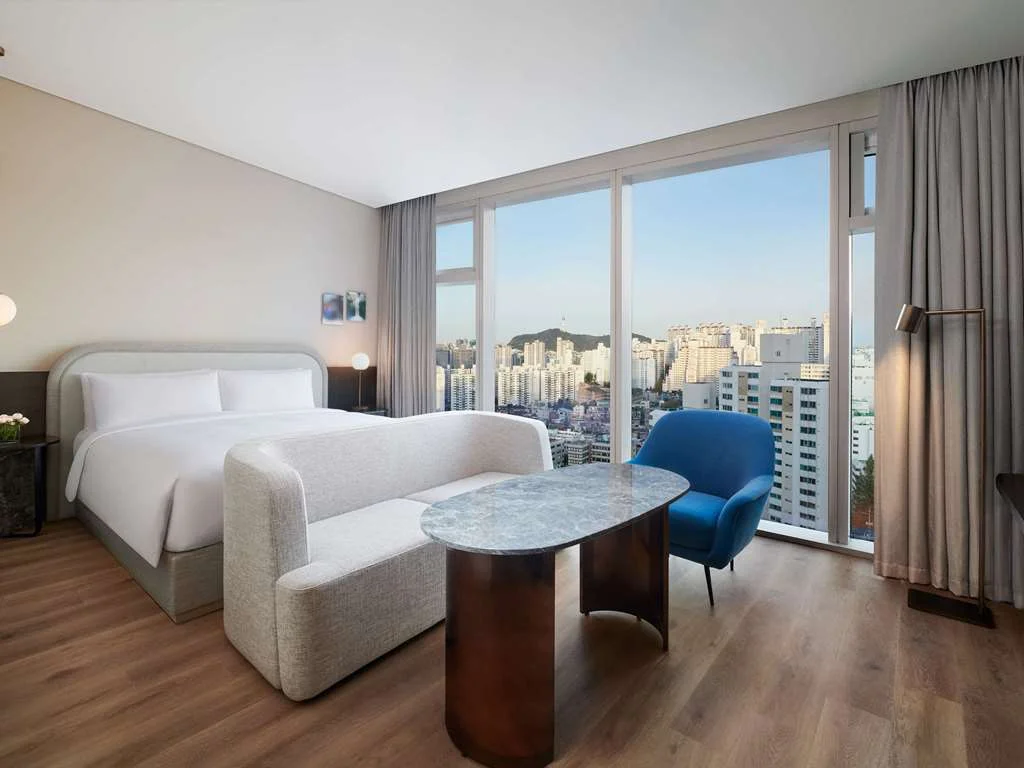
Naru Ambassador Hotel Seoul - MGallery Collection
When you book Naru Ambassador Hotel Seoul - MGallery Collection in South Korea through our Accor Preferred partnership, your stay includes daily breakfast for two and a $100 USD hotel credit. You also receive a room upgrade, early check-in and late check-out when available. No premium credit card or membership needed: request a quote and our advisor books it at the same rate as booking direct.
Exclusive Booking Perks
These perks are included with your stay at the same rate as booking direct with the hotel.
- Daily complimentary breakfast for 2, per room
- $100 USD credit to be spent on property (conditions defined at check-in)
- Early check-in & late check-out (upon availability)
- Upgrade at time of check-in (upon availability)
Location
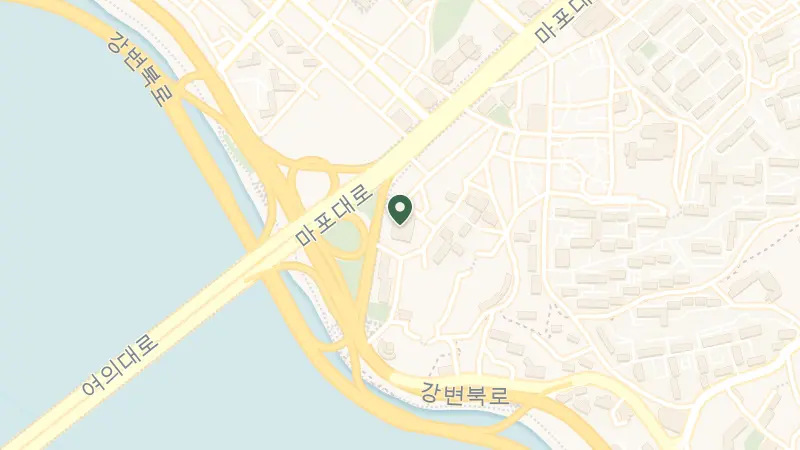
The Naru Ambassador Hotel Seoul reflects MGallery's commitment to heritage and local character, anchoring guests in a city where Joseon-era palaces stand beside glass towers and centuries-old markets thrive in the shadow of contemporary art galleries. Mapo District's Dohwa-dong neighbourhood places the property on Seoul's western edge, where the Han River curves past forested parks and the energy shifts from the central business districts toward residential enclaves and creative quarters. Walking distance brings Malli market, a neighbourhood institution where vendors arrange seasonal banchan and elderly shopkeepers call out the day's catch, while the riverside paths draw morning joggers and evening strollers year-round.
Seoul itself commands attention as a capital that rebuilt from war into one of Asia's most dynamic metropolises without erasing its foundations. The Joseon dynasty (1392–1910) shaped the city's bones: Jongmyo Shrine, six kilometres east, remains the oldest intact Confucian royal shrine, its austere wooden halls hosting ancestral rites each May. Changdeokgung Palace Complex, equally close, demonstrates early 15th-century court architecture and landscape design so refined UNESCO recognized its Secret Garden as a masterwork of harmony between built and natural forms.
Gimpo International Airport lies fourteen kilometres north with express buses and metro links connecting to central Mapo in under forty minutes; Incheon International, the main gateway, sits forty-four kilometres west with airport railroad service reaching Seoul Station in less than an hour.
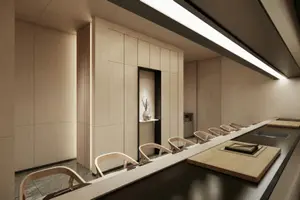
Seoul's Michelin-starred dining scene rewards curiosity. Mingles, nearly nine kilometres south in Cheongdam-dong, holds three stars for Chef Mingoo Kang's inventive Korean cuisine, where gochujang meets French technique in dishes framed by contemporary art and green courtyard views. Closer, Sosuheon occupies a traditional hanok just two and a half kilometres away, its serene wooden-beamed interior contrasting with the surrounding skyline while Chef Kyung-jae Park prepares nigiri at an eight-seat counter with the precision of temple ritual. Book a table at Mosu, less than five kilometres south, where Chef Sung Anh's two-starred tasting menu balances unpredictable flavour combinations with the kind of technical control that makes experimentation feel inevitable rather than forced.
Beyond the table, Jongmyo Shrine and Changdeokgung Palace Complex both lie six kilometres east, their wooden halls and secret gardens offering immediate immersion in Joseon-era court life. Namdaemun Market, four kilometres southeast, has operated since 1414, its covered alleys stacked with ginseng, hanbok fabric, and street food stalls serving hotteok stuffed with brown sugar and cinnamon. Mangwon market, slightly closer at four kilometres, draws a younger crowd to its weekend evening sessions, where vinyl collectors and vintage clothing vendors set up alongside pojangmacha tents grilling pork belly over charcoal.
Winter arrives sharp and dry, with January temperatures dropping well below freezing and the Han River paths emptying save for the most committed walkers. The air turns crystalline, the low sun casting long shadows across palace courtyards where snow lingers on tiled roofs. Spring builds slowly from March, cherry blossoms erupting along riverside boulevards in early April as temperatures climb into the mid-teens, though afternoon showers arrive with increasing frequency.
Summer settles humid and heavy from late June through August, when temperatures push near thirty degrees and the monsoon rains drench the city in sudden downpours that send locals darting beneath awnings. The heat breaks dramatically in September, which offers the year's most reliable weather: warm days, cool evenings, and the ginkgo trees along palace walls turning gold by month's end.
Autumn claims October and early November as Seoul's finest season, with daytime highs in the upper teens and the mountains ringing the city ablaze in red and amber. December turns cold again, the dry air sharpening as the year closes and the city lights its streets for winter festivals.
Frequently Asked Questions

Quotes are personally reviewed by Natasha Hardy, founder of The Uncommon Traveller
5.0 rating · 8 Google reviewsThere is no fee or markup. The hotel pays our commission.
Request a Quote 51 Bib Gourmand