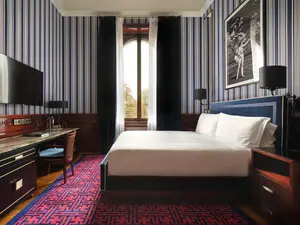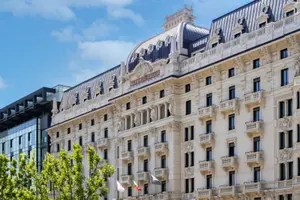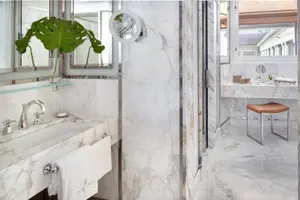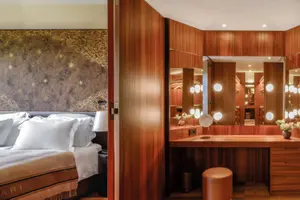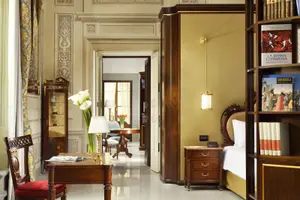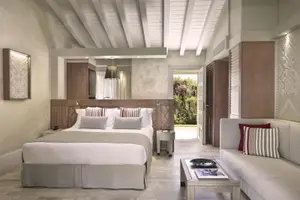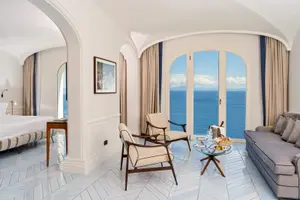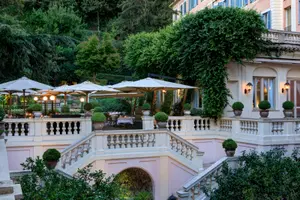
Palazzo Parigi Hotel & Grand Spa Milan
When you book Palazzo Parigi Hotel & Grand Spa Milan in Italy through our Virtuoso partnership, your stay includes daily full breakfast for up to two guests and a $100 USD food and beverage credit. You also receive early check-in and late check-out when available. No premium credit card or membership needed: request a quote and our advisor books it at the same rate as booking direct.
Exclusive Booking Perks
These perks are included with your stay at the same rate as booking direct with the hotel.
- Upgrade on arrival, subject to availability (Excluding executive suite)
- Daily Full breakfast for up to two guests per bedroom, served in the restaurant
- $100 USD equivalent Food and Beverage credit or SPA Services credit to be utilized during stay (not combinable, no cash value if not redeemed in full)
- VIP welcome by our pastry chef
- Early Check-In / Late Check-Out, subject to availability
Location
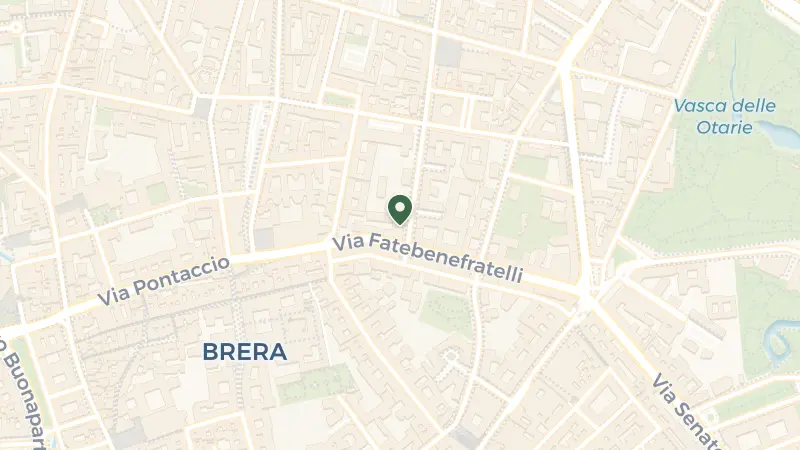
Palazzo Parigi sits in Brera, Milan's artistic heart, where narrow cobblestone streets open onto intimate piazzas and 18th-century palazzi house contemporary art galleries alongside generations-old craft workshops. The neighbourhood takes its name from the Old Lombardic word for cleared land, and it retains that sense of breathing space amid the city's industrial dynamism. Via Brera cuts through the district, lined with independent bookshops, antique dealers, and the kind of neighbourhood bars where espresso is pulled with precision at marble counters.
The area's cultural anchor is the Pinacoteca di Brera, housing one of Italy's most significant collections of Renaissance and Baroque art, while the Orto Botanico di Brera offers a surprising green refuge behind high walls. This is the Milan that resisted Austrian domination in the 19th century and emerged as Italy's economic engine, a city where medieval foundations support contemporary ambition. The streets around Borgonuovo retain their residential character despite the fashion industry's encroachment, and aperitivo hour here feels less performative than elsewhere in the city.
Milano Linate Airport sits seven kilometres to the east, a swift transfer that deposits travelers into the centro storico within twenty minutes. Malpensa, the larger international hub, is forty kilometres northwest.
The property anchors your exploration of Milan's cultural core. Two kilometres south, the refectory of Santa Maria delle Grazie houses Leonardo da Vinci's Last Supper, painted directly onto the convent wall between 1495 and 1498 and still astonishing for its compositional clarity and psychological depth. Book tickets weeks ahead; viewing slots are strictly timed. Within walking distance, I Dilettanti Wine Bar offers a curated selection of northern Italian vintages alongside affettati and regional cheeses, while the weekly market at Piazza Tito Minniti, 1.6 kilometres away, brings seasonal produce and prepared foods to the neighbourhood each Tuesday and Saturday.
For Michelin-starred dining, Seta by Antonio Guida holds two stars just four hundred metres distant, serving international and contemporary Italian cuisine within the Mandarin Oriental. Enrico Bartolini al Mudec commands three stars 3.3 kilometres south, where Bartolini and chef Davide Boglioli craft dishes of remarkable flavour intensity. Book the latter well in advance; the creative menu rewards serious eaters. Verso Capitaneo, one kilometre away with two stars, positions diners before an open kitchen on Piazza Duomo's upper floor for theatrical Mediterranean cooking.
Summer in Milan runs hot and still, with July and August temperatures climbing to 28 or 29 degrees. The city empties in August as locals retreat to the lakes or coast, leaving streets uncharacteristically quiet and many restaurants shuttered. Air shimmers above stone facades, and gelato becomes essential rather than optional.
Spring and autumn deliver Milan at its most graceful. April through June and September through early November bring moderate warmth, soft light that flatters the ochre and terracotta palazzi, and a comfortable rhythm for walking between galleries and aperitivo appointments. Rain arrives more frequently in spring, particularly in March and May, but rarely lingers.
Winter is cold and damp, with January temperatures hovering just above freezing. Fog settles over the Lombardy plain, muffling sound and softening the city's harder edges. This is when museums feel most inviting and the appeal of a warm trattoria becomes undeniable.
Frequently Asked Questions

Quotes are personally reviewed by Natasha Hardy, founder of The Uncommon Traveller
5.0 rating · 8 Google reviewsThere is no fee or markup. The hotel pays our commission.
Request a Quote 7 Bib Gourmand