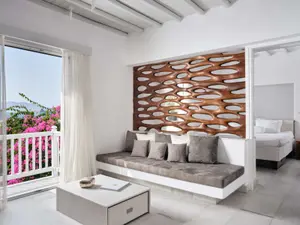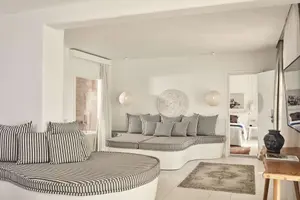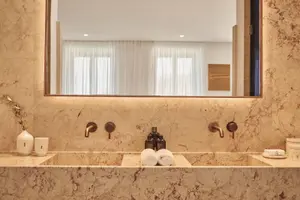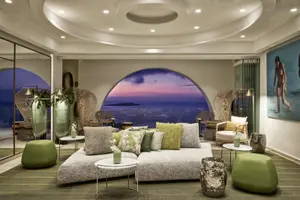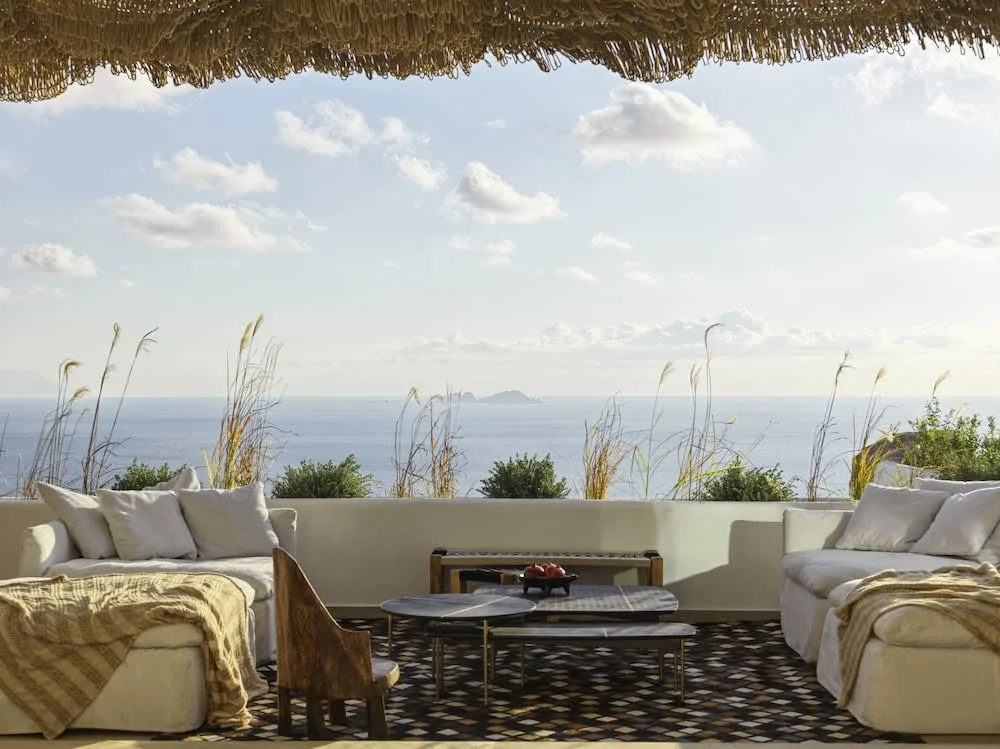
Panoptis Escape
When you book Panoptis Escape in Mykonos, Greece, through our withIN by SLH partnership, your stay includes daily continental breakfast for two and a hotel credit of $50-$100 USD. You also receive a one-category room upgrade and early check-in when available. No premium credit card or membership needed: request a quote and our advisor books it at the same rate as booking direct.
Exclusive Booking Perks
These perks are included with your stay at the same rate as booking direct with the hotel.
- A credit worth $50-$100 (USD) per room
- Daily Continental breakfast for two people
- Room upgrade to next room category, subject to availability at the time of check-in
- Early check-in, subject to availability at the time of check-in
- Late check-out, subject to availability
Location
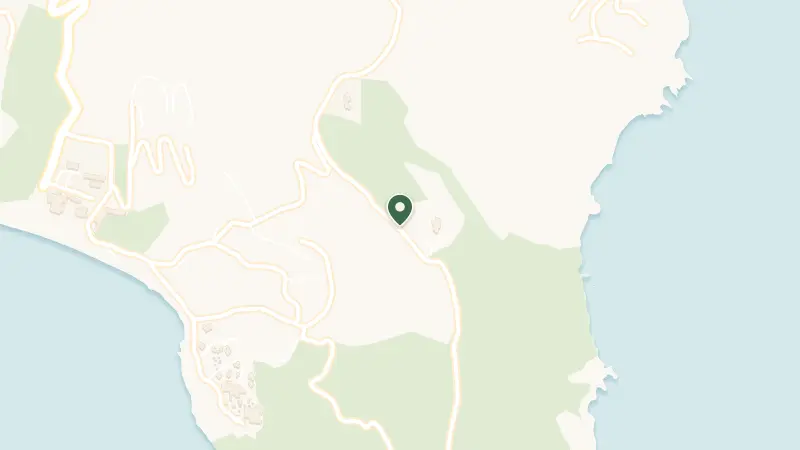
The property sits in Ano Mera, Mykonos's quieter inland village, removed from the harbor town's late-night pulse. This is the island stripped of pretense: whitewashed squares where locals gather at kafeneion tables, the 16th-century Panagia Tourliani monastery with its carved marble bell tower, and the kind of stillness that lets you hear the wind that earned Mykonos its nickname. The Cycladic light here is merciless and clarifying, bleaching stone to bone-white, casting sharp shadows across terraced hillways that tumble toward the Aegean.
Mykonos town, eight kilometres west, holds the island's famous labyrinth of lanes designed to confuse pirates, now lined with galleries and tavernas. But Ano Mera offers proximity to the island's southeastern coastline, where beaches like Elia and Kalo Livadi stretch along sheltered coves, their sand the color of raw honey.
Mykonos Island National Airport lies five kilometres away, a ten-minute drive. Ferries from Athens (Piraeus) and neighboring Cyclades islands dock at the New Port, eight kilometres northwest.
The beaches define summer here. Elia Beach, less than a kilometre south, offers broad sands and relative seclusion compared to the island's northern shore. Kalo Livadi, a short drive farther, draws a quieter crowd. Agrari, tucked into a rocky inlet just over a kilometre away, feels almost private. The wind that gives Mykonos its reputation blows strongest in July and August, filling the sky with windsurfers' sails and keeping the heat tolerable.
Book a water taxi from Ano Mera's coast to Delos, twelve kilometres across open water. The uninhabited island holds one of Greece's most significant archaeological sites: Apollo's birthplace according to myth, and a sanctuary that drew pilgrims across the ancient Mediterranean. Walk among the Terrace of the Lions, marble beasts carved in the 7th century BC, and the House of Dionysus with its intact floor mosaics. The island closes at sunset; plan to leave by mid-afternoon.
July and August bring the island's fiercest winds and clearest skies, temperatures hovering in the mid-twenties. The sea warms to bathwater; tavernas stay open past midnight. Rain disappears entirely. This is high season, when ferries run hourly and beaches fill by noon.
May, June, and September offer gentler conditions. The light softens, wildflowers bloom across rocky hillsides in spring, and the meltemi winds ease enough for calm swimming. Temperatures in the low twenties make walking Delos bearable without shade.
Winter empties the island. November through February brings rain and wind, temperatures dipping to ten degrees. Most seasonal businesses close, leaving Ano Mera to its year-round residents. The Aegean turns steel-grey, and the island reveals its working character beneath the summer polish.
Frequently Asked Questions

Quotes are personally reviewed by Natasha Hardy, founder of The Uncommon Traveller
5.0 rating · 8 Google reviewsThere is no fee or markup. The hotel pays our commission.
Request a Quote