Nido, Mar-Bella Collection
When you book Nido, Mar-Bella Collection in Corfu, Greece, through our withIN by SLH partnership, your stay includes daily continental breakfast for two and a hotel credit of $50-$100 USD per stay. You also receive a one-category room upgrade and early check-in when available. No premium credit card or membership needed: request a quote and our advisor books it at the same rate as booking direct.
Exclusive Booking Perks
These perks are included with your stay at the same rate as booking direct with the hotel.
- A credit worth $50-$100 (USD) per room, per stay to be spent only on extras such as F&B or Spa, only on property and during the stay
- Daily Continental breakfast for two people
- Room upgrade to next room category, subject to availability at the time of check-in
- Early check-in, subject to availability at the time of check-in
- Late check-out, subject to availability
Location
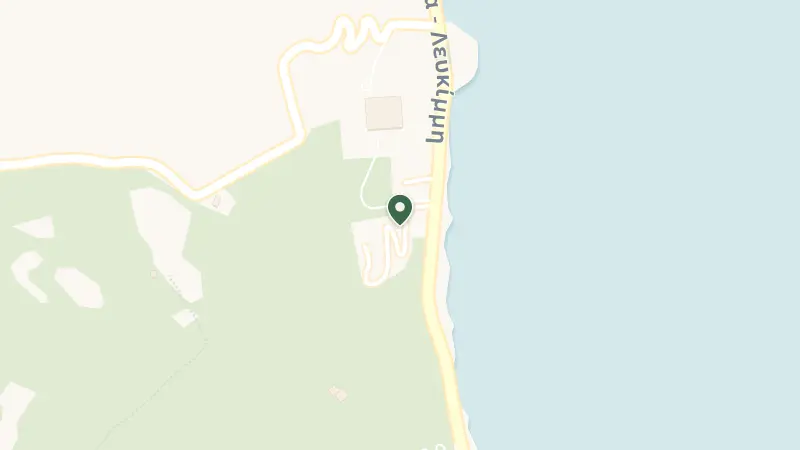
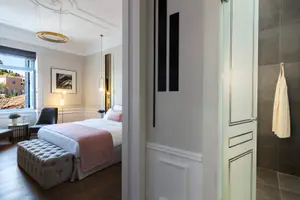
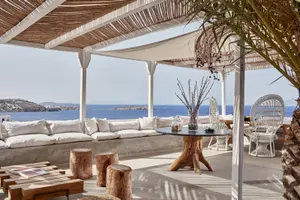
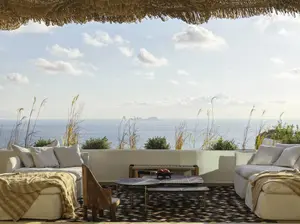
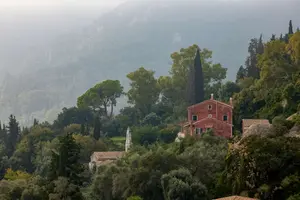
The Mar-Bella Collection brings a considered approach to Ionian hospitality, one that privileges understated service and natural surroundings over grandiosity. Nido embodies this ethos: a property designed to fold into the rhythm of southern Corfu rather than dominate it. The village of Episkopiana sits above the island's southeastern shoreline, where olive groves slope down to meet the Ionian Sea and the coast still feels uncluttered, defined by small beaches and fishing villages rather than resort sprawl.
Corfu carries the weight of its past lightly. This is an island that has weathered Venetian sieges, Byzantine rule, and Napoleonic occupation, yet its character remains distinctly Hellenic, rooted in the naval power it once wielded alongside Athens and Corinth in the fifth century BCE. The fortified Old Town, a UNESCO site thirteen kilometres north, preserves this layered history within its ramparts, the only Greek city enclosed by such defences. Closer to the property, Benitses and Moraitika offer quieter pleasures: waterfront tavernas, pebbled shores, and the kind of unassuming fishing-village charm that survives in pockets of the southern coast.
Corfu Ioannis Kapodistrias International Airport lies eleven kilometres northwest, a short transfer that delivers you into the island's greener, less trafficked southern reaches. The Ionian Sea here is calm, sheltered, and impossibly clear.
Moraitika Beach, just over two kilometres south, is the nearest stretch of sand, a family-friendly sweep with shallow water and a scattering of low-key tavernas where grilled octopus and kolokythokeftedes arrive without ceremony. Benitses, four kilometres up the coast, retains more of its fishing-village identity: the harbour still sees working boats alongside pleasure craft, and the village square fills each evening with locals rather than tour groups. For a wilder shore, head six kilometres west to Paramonas, where rocky headlands frame a wide bay and the water takes on that deep cobalt particular to the Ionian's western edge.
The Old Town of Corfu, thirteen kilometres north, demands at least an afternoon. Walk the arcaded Liston, commissioned under French rule and modelled on Paris's Rue de Rivoli, then lose yourself in the Campiello's tight alleys, where laundry lines string between Venetian townhouses and the air smells of basil and stone. Book a table at one of the town's waterfront psarotavernes for kakavia, the island's saffron-scented fish soup, or seek out pastitsada, Corfu's signature beef stew braised with tomato and cinnamon, a dish born of Venetian influence and Greek stubbornness. The Achilleion Palace, eight kilometres south, offers another layer: Empress Elisabeth of Austria's neoclassical retreat, all statuary and sea views, eccentric and oddly moving.
Winter on Corfu is gentle by northern European standards, but it is still winter: temperatures hover around twelve degrees, the sky turns pewter, and rain comes in long, soaking spells that green the hillsides and keep most visitors away. This is when the island belongs to locals, wood smoke drifts from village chimneys, and the sea takes on a moody, restless quality. Spring arrives decisively in April, wildflowers carpeting the olive groves and the light turning that crystalline Aegean gold.
Summer is Corfu at its most assured. June through August brings heat that peaks near thirty degrees, barely a drop of rain, and water warm enough for hours of swimming. The island hums with energy, tavernas stay open late, and the breeze off the Ionian keeps the air from feeling oppressive. September extends this mood with slightly cooler temperatures and fewer crowds, the sea still holding summer's warmth.
Autumn turns unpredictable by October. Rain returns in earnest, the tourist infrastructure winds down, and the island slips back into its quieter self. November and December are best left to those who find beauty in stormy coastlines and empty beaches, though Corfu's charm persists even when the skies darken and the ferry schedules thin.
Frequently Asked Questions

Quotes are personally reviewed by Natasha Hardy, founder of The Uncommon Traveller
5.0 rating · 8 Google reviewsThere is no fee or markup. The hotel pays our commission.
Request a Quote