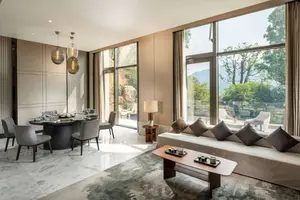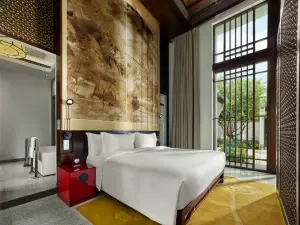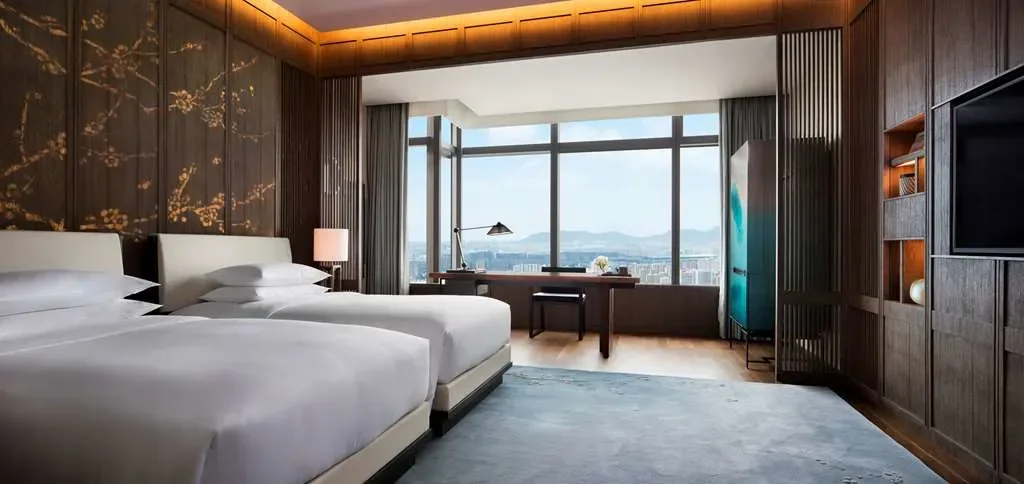
Park Hyatt Hangzhou
When you book Park Hyatt Hangzhou in China through our Hyatt Privé partnership, your stay includes daily full breakfast for up to two guests and a property credit. You also receive a priority room upgrade, early check-in and late check-out when available. You continue earning World of Hyatt points and elite night credits. No premium credit card or membership needed: request a quote and our advisor books it at the same rate as booking direct.
Exclusive Booking Perks
These perks are included with your stay at the same rate as booking direct with the hotel.
- Welcome amenity provided to guests upon arrival.
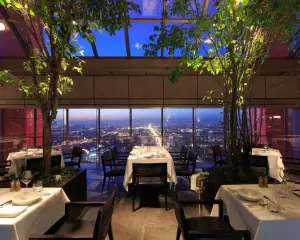
- Daily complimentary full breakfast at a hotel restaurant for up to two guests.
- Property credit (value varies by property).
- Priority for room upgrade (response within 24 hours of booking, subject to forecasted occupancy).
- Early check-in/late check-out/connecting rooms (response within 24 hours of request, subject to forecasted occupancy).
Guest feedback
8.3/10 from 50 guest reviews
By category
Guests liked
- Clean rooms
- Friendly staff
- Great location
Points to consider
- Limited parking
- Expensive breakfast
- No spa services
Location
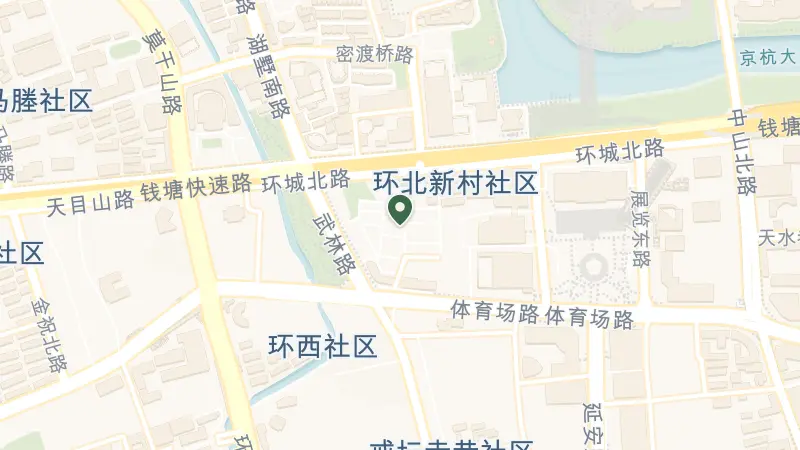
Park Hyatt brings its residential-scale luxury to Hangzhou, a city where curated art and intimate design meet centuries of cultural refinement. The brand's emphasis on personal connection rather than ceremony suits a destination that has long prized subtlety over spectacle.
Hangzhou reveals itself slowly. West Lake, a UNESCO site four kilometres west, has drawn poets and scholars since the Tang dynasty, its willow-lined causeways and pagoda-topped hills shaping the Chinese aesthetic imagination for over a millennium. The city's silk workshops and Longjing tea plantations thread through the surrounding hills, remnants of the Southern Song capital that once rivalled any metropolis on earth.
The neighbourhood hums with a quieter energy than Shanghai or Beijing, teahouses tucked into streets where Shikumen residences stand restored. Hangzhou Xiaoshan International Airport lies twenty-seven kilometres southeast, connected by express rail that delivers travellers into a city where classical gardens and contemporary ambition occupy the same narrow lanes.
Yu Zhi Lan, the Chengdu institution's Hangzhou outpost, occupies a restored 1930s Shikumen residence just over a kilometre away, serving refined Sichuan dishes subtly inflected with local flavour. Ru Yuan, four kilometres distant, holds two Michelin stars for its obsessively calibrated Zhejiang cooking, where Xihu fish in vinegar sauce and shrimps sautéed with Longjing tea leaves emerge as entirely new compositions. Song, less than two kilometres off, reinterprets Ningbo classics beneath jade archways that evoke classical Hangzhou gardens. Book a table at any of them well ahead.
West Lake itself demands unhurried exploration: walk the Su Causeway at dawn when mist rises off the water, or cycle the perimeter as locals do, pausing at teahouses where Longjing is brewed in glass cups. The Xixi National Wetland Park, nine kilometres northwest, offers boardwalk paths through waterways where egrets settle in the reeds. The archaeological ruins of Liangzhu, twenty-one kilometres out, preserve traces of a Yangtze River civilization that flourished five millennia ago.
Spring arrives wet and sudden, temperatures climbing from cool March mornings into warm May afternoons. Plum blossoms open around West Lake in late March, followed by flowering peaches and willows greening the causeways. April and May bring the heaviest rains, the city soft-edged and humid.
Summer is sweltering. July and August push past thirty degrees, the air thick even after dark. June's monsoon rains give way to hazy, relentless heat. Early autumn offers reprieve: September and October turn crisp and clear, the light sharp against temple roofs.
Winter is spare and bracing, January mornings dipping just below freezing. The city empties of tour groups. West Lake freezes at its edges, and the hills go brown, but teahouses stay warm.
Frequently Asked Questions

Quotes are personally reviewed by Natasha Hardy, founder of The Uncommon Traveller
5.0 rating · 8 Google reviewsThere is no fee or markup. The hotel pays our commission.
Request a Quote 33 Bib Gourmand