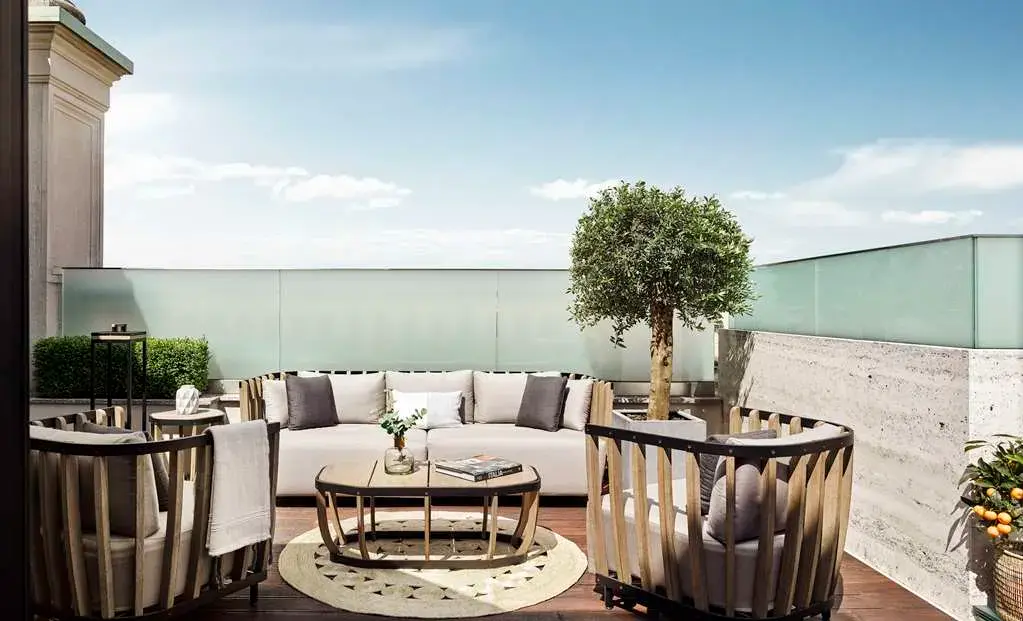
Park Hyatt Milan
When you book Park Hyatt Milan in Italy through our Hyatt Privé partnership, your stay includes daily buffet breakfast for up to two guests and a $150 USD food and beverage credit. You also receive a room upgrade when available. You continue earning World of Hyatt points and elite night credits. No premium credit card or membership needed: request a quote and our advisor books it at the same rate as booking direct.
Special Offer
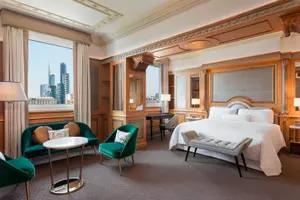
Complimentary Airport Transfer • Complimentary one-way private airport transfer, when booking the Park Premium King Room (minimum 3-night stay). • Complimentary one-way private airport transfer when booking the Park Executive Suite (no minimum length of stay). • From Brera Suite and higher categories (no minimum length of stay), complimentary round-trip private airport transfer.
Exclusive Booking Perks
These perks are included with your stay at the same rate as booking direct with the hotel.
- Upgrade on arrival, subject to availability
- Daily Buffet breakfast for up to two guests per bedroom, served in the restaurant
- $150 USD equivalent Food & Beverage credit to be utilized during stay (not combinable, not valid on room rate, no cash value if not redeemed in full)
- Early Check-In / Late Check-Out, subject to availability
Guest feedback
9.6/10 from 1,006 guest reviews
Read what guests commentedBy category
Guests liked
- Exceptional staff
- Beautiful location
- Luxurious rooms
Location
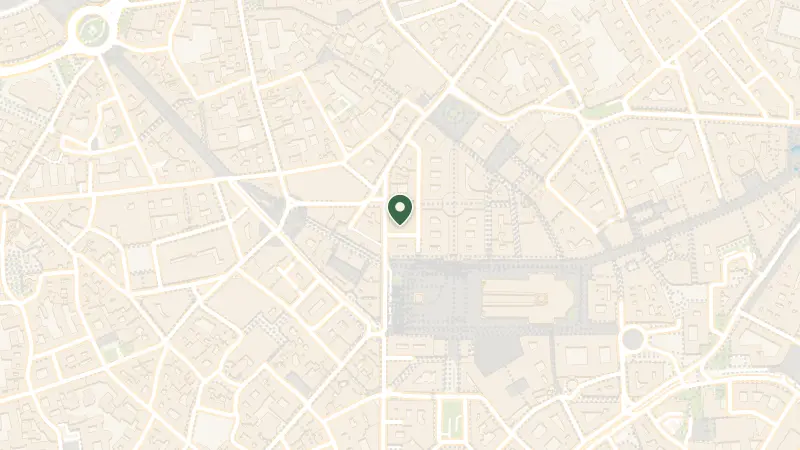
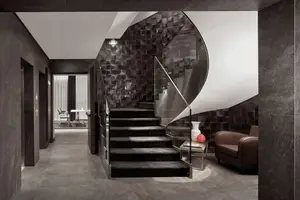
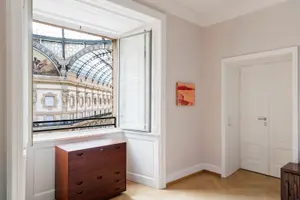
Park Hyatt brings its signature residential intimacy to Milan's cultural core, where curated art and personal connection replace conventional grand-hotel formality. The property sits steps from Galleria Vittorio Emanuele II, the vaulted iron-and-glass arcade where Milanese society has promenaded since 1877. Piazza del Duomo spreads immediately beyond, the cathedral's white marble spires catching afternoon light above crowds that thin noticeably after dark. This is Municipio 1, where Renaissance palazzi house contemporary flagship stores and side streets reveal trattorias unchanged since the postwar years.
The neighbourhood hums with the particular energy of a working fashion capital: buyers rushing between showrooms, executives lingering over espresso at zinc-topped bars, aperitivo crowds spilling onto cobblestones at six o'clock. North across Naviglio della Martesana, Brera's galleries and antique dealers occupy former convent quarters. West, the Church of Santa Maria delle Grazie safeguards Leonardo's Last Supper, a kilometre's walk through streets lined with rationalist architecture from Milan's industrial ascent.
Linate Airport lies seven kilometres east, a twenty-minute drive when traffic permits; Malpensa, forty kilometres northwest, serves intercontinental routes.
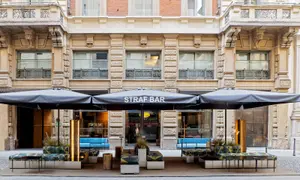
Pellico 3, the property's own gastronomic destination, opens directly onto Galleria Vittorio Emanuele II, a privileged position that captures the energy of Milan's drawing room. The dining room itself feels deliberately small, a jewel box scaled for intimacy rather than spectacle. Seventy-seven metres across Piazza Duomo, Verso Capitaneo holds two Michelin stars in a second-floor space where three long tables face an open kitchen, diners watching chefs plate each course with exacting precision. For the pinnacle of Milanese gastronomy, book a table at Enrico Bartolini al Mudec, 2.6 kilometres southwest, where the chef's three-starred creative cuisine emphasizes intensity of flavour over theatrics, each dish crafted alongside resident chef Davide Boglioli.
Beyond the table, Milan's cultural wealth unfolds within walking distance. The Museo Poldi Pezzoli, a private collection opened in 1881, displays Renaissance armour and Botticelli portraits in a palazzo that survived wartime bombing. The Bagatti Valsecchi Museum, established in 1974, preserves a 19th-century nobleman's obsessive recreation of a Renaissance interior. For something less rarefied, the sprawling Mercato Papiniano, 1.6 kilometres west, fills its stalls each Tuesday and Saturday with produce, cheese, and the sharp-tongued vendors who've been working these cobbles for decades. Start with the morning light slanting through the Galleria, then let the city's rhythm carry you outward.
January and February bring cold grey mornings, temperatures hovering near freezing, the Duomo's facade stark against pewter skies. Locals wrap scarves high and duck into pasticcerie for cornetti. Spring arrives incrementally through March and April, when sudden warmth pulls tables onto paviamented streets and wisteria climbs courtyard walls. May sees the city at its most animated before summer heat descends.
July and August turn Milan torpid, temperatures nearing thirty degrees, many restaurants shuttering for August closure while those who remain enjoy emptier streets. September revives the calendar as fashion week crowds return and evenings cool. October's rains wash the rationalist facades clean, and by November a damp chill settles in, the light turning amber by late afternoon.
December brings festive window displays and fog that muffles the trams. Visit April through June or September through October, when the city balances comfortable temperatures with full cultural programming.
Frequently Asked Questions

Quotes are personally reviewed by Natasha Hardy, founder of The Uncommon Traveller
5.0 rating · 8 Google reviewsThere is no fee or markup. The hotel pays our commission.
Request a Quote 7 Bib Gourmand