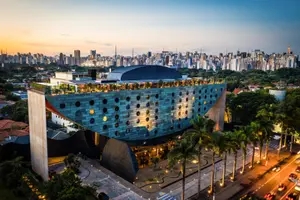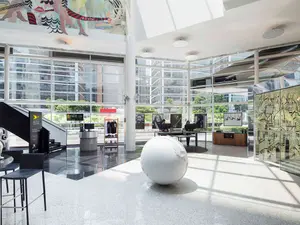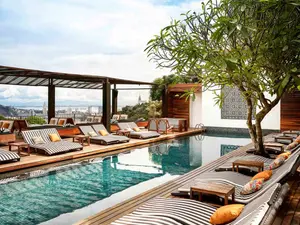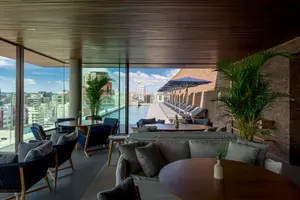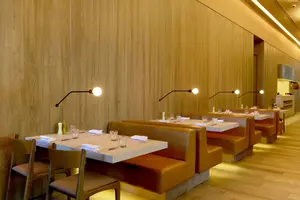
Pulso Hotel Faria Lima
When you book Pulso Hotel Faria Lima in Sao Paulo, Brazil, through our Preferred Platinum partnership, your stay includes daily breakfast for two, a $100 hotel credit per stay and a welcome amenity. You also receive a room upgrade when available. No premium credit card or membership needed: request a quote and our advisor books it at the same rate as booking direct.
Exclusive Booking Perks
These perks are included with your stay at the same rate as booking direct with the hotel.
- Breakfast for Two Daily
- $100 Hotel Credit per Stay (to be used on services such as spa, dining, or selected amenities valued at $100 or more)
- Hotel Welcome Amenity
- Room Upgrade (subject to availability)
- Priority Check-in and Check-out (subject to availability)
Guest feedback
9.2/10 from 178 guest reviews
By category
Guests liked
- Great service
- Excellent breakfast
- Beautiful location
Points to consider
- Issues with cleanliness
- Overpriced compared to competitors
- Small room size
Location
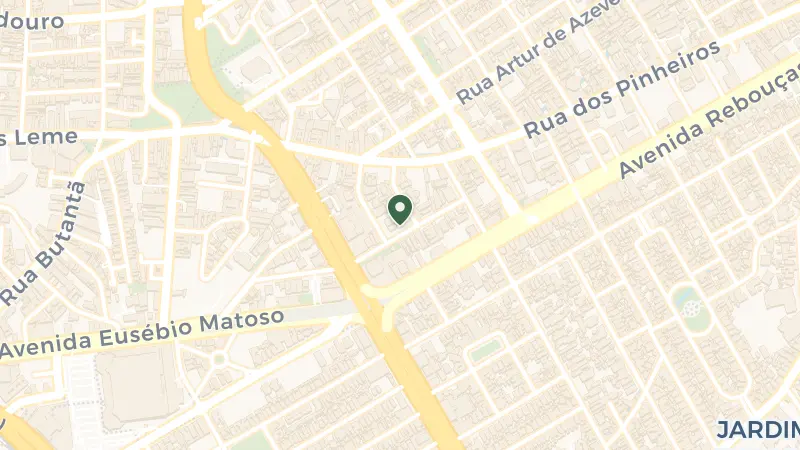
Pinheiros pulses with the creative restlessness that defines São Paulo itself, a district where modernist apartment blocks shoulder vine-covered boteco facades and galleries spill onto sidewalks thick with paulistanos arguing over caipirinhas. The neighbourhood takes its name from the Araucaria pines that once forested this land before the city consumed it, transforming the area into one of the most culturally magnetic corners of a megalopolis that UNESCO calls a City of Film and the world capital of gastronomy.
Walk these streets and you'll find the Mercado Municipal de Pinheiros half a kilometre away, its stalls heaped with mangoes and bacalhau, while Vila Madalena's graffiti-scrawled lanes and the elegant tree-lined avenues of Jardim Europa define the district's split personality: grit and refinement in equal measure.
Founded by Jesuits in 1554, São Paulo exploded during the coffee boom and never stopped growing. Today it's the Western Hemisphere's most populous city, a place that leads rather than follows. Congonhas Airport sits seven kilometres south for domestic connections, while Guarulhos International lies twenty-seven kilometres northeast.
The neighbourhood's culinary credentials run deep. Within 1.5 kilometres, three Michelin three-star restaurants demonstrate why UNESCO named São Paulo the world's capital of gastronomy. At Evvai, Luiz Filipe Souza channels Brazilian ingredients through an Italian sensibility, his devotion to seasonality and nature evident in every course. Tuju occupies a three-storey townhouse near the Museu da Casa Brasileira, where the kitchen transforms local produce into boundary-pushing tasting menus. Book a table at D.O.M., where Alex Atala built his international reputation by treating Amazonian ingredients with the rigour usually reserved for European traditions, his ant-studded pineapple dessert now legendary among gastronomes. The surrounding blocks hold dozens more Michelin-recognised kitchens, from contemporary Japanese to modernist Brazilian, alongside boteco bars serving crisp coxinha and ice-cold chopp.
Beyond the table, the creative pulse continues. The Feira de Antiguidades da Benedito Calixto, 1.6 kilometres east, transforms Sunday mornings into a sprawl of vintage vinyl, mid-century furniture, and regional crafts. The Pinacoteca de São Paulo, established in 1905, holds the country's most comprehensive collection of Brazilian art, its neoclassical galleries tracing the evolution of paulista painting and sculpture across two centuries. For those seeking green relief from concrete, the Botanical Garden offers 360,000 square metres of Atlantic Forest remnants and orchid collections.
January and February drench the city in afternoon thunderstorms that arrive with theatrical punctuality, temperatures hovering in the mid-twenties while humidity thickens the air and transforms streets into rivers. Autumn (March through May) brings relief: clearer skies, temperatures dropping from twenty-six to twenty-two degrees, the light turning golden over terracotta rooftops.
Winter (June through August) surprises visitors with cool mornings around thirteen degrees, though midday warmth still invites sidewalk tables and outdoor markets. This is peak season for comfortable walking and uninterrupted evenings.
Spring (September through November) sees temperatures climbing back toward twenty-five degrees as jacarandás explode in purple blooms and rains gradually return. Late autumn and winter offer the most reliable weather for exploring this sprawling, relentless city.
Frequently Asked Questions

Quotes are personally reviewed by Natasha Hardy, founder of The Uncommon Traveller
5.0 rating · 8 Google reviewsThere is no fee or markup. The hotel pays our commission.
Request a Quote 36 Bib Gourmand