Pullman Sao Paulo Vila Olimpia
When you book Pullman Sao Paulo Vila Olimpia in Brazil through our Accor Preferred partnership, your stay includes daily breakfast for two and a $100 USD hotel credit. You also receive a room upgrade, early check-in and late check-out when available. No premium credit card or membership needed: request a quote and our advisor books it at the same rate as booking direct.
Exclusive Booking Perks
These perks are included with your stay at the same rate as booking direct with the hotel.
- Daily complimentary breakfast for 2, per room
- VIP Welcome
- $100 USD credit to be spent on property (conditions defined at check-in)
- Early check-in & late check-out (upon availability)
- Upgrade at time of check-in (upon availability)
Guest feedback
9.0/10 from 363 guest reviews
By category
Guests liked
- Location
- Comfortable Rooms
- Attentive Staff
Points to consider
- Maintenance Issues
- Overpriced
- Service Errors
Location
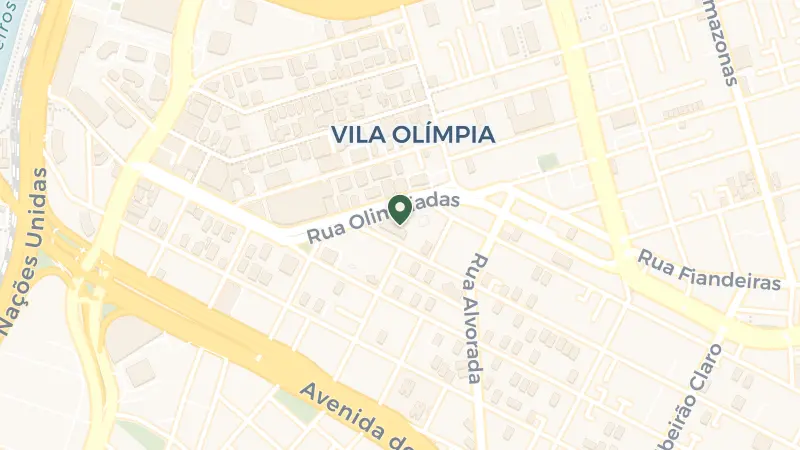
Vila Olímpia pulses with a corporate energy that shifts after dark into one of São Paulo's most vibrant nightlife scenes. Glass towers housing Google, Microsoft, and Intel give way each evening to tree-lined streets crowded with paulistanos spilling out of rooftop bars and live music venues. The neighbourhood sits within Itaim Bibi, an upper-class district that exemplifies modern São Paulo: ambitious, international, and relentlessly forward-looking.
This is a city that refuses to be led. Founded in 1554 by Jesuit priests, São Paulo transformed from colonial waystation into the engine of Brazil's coffee boom and, ultimately, into the most populous Portuguese-speaking city on earth. Its Latin motto, Non ducor, duco (I am not led, I lead), captures the spirit that turned a strategic colonial outpost into a global commercial and cultural capital. UNESCO has recognized it as both a City of Film and the World Capital of Gastronomy, titles that make sense the moment you experience its relentless creative output and seventeen Michelin-starred restaurants.
Congonhas Airport sits five kilometres south, handling domestic flights and quick connections. International arrivals land at Guarulhos, twenty-nine kilometres northeast, with express bus links and taxi transfers into the city.
The city's claim as World Capital of Gastronomy reveals itself most dramatically in the concentration of Michelin-starred restaurants radiating from Vila Olímpia. Tuju, less than two kilometres away, commands three stars from a three-storey building near the Museu da Casa Brasileira, while Evvai, chef Luiz Filipe Souza's ode to Brazilian-Italian fusion, holds the same distinction 3.2 kilometres distant. Book a table at D.O.M., where Alex Atala, Brazil's most internationally recognized chef, continues to redefine Brazilian ingredients with a creative vision that justifies the 3.7-kilometre journey and its two-star status. The Mercado Municipal de Pinheiros, 3.5 kilometres west, offers a grounded counterpoint: mortadella sandwiches, bacalhau pastéis, and the kind of market energy that predates São Paulo's skyscraper era.
Cultural depth accumulates across the city's museums. The Pinacoteca de São Paulo, founded in 1905, and the São Paulo Museum of Art, with its 1947 modernist manifesto on Avenida Paulista, anchor a museum district that includes the Lasar Segall Museum and The Ema Klabin House Museum. The Ipiranga Museum, standing since 1895, chronicles the country's independence narrative, while Instituto Butantan, established in 1901, maintains one of the world's most significant collections of venomous specimens.
Summer (December through March) blankets São Paulo in thick humidity and afternoon thunderstorms that clear the air but rarely cool it. Temperatures hover in the mid-twenties, the city's outdoor tables fill at dusk, and the energy peaks.
Autumn (April and May) brings relief: clearer skies, temperatures dropping into the low twenties, and that golden afternoon light that makes the modernist buildings glow. This is the city at its most comfortable.
Winter (June through August) surprises visitors with crisp mornings in the low teens and dry, bright days. Paulistanos layer scarves and jackets, outdoor heaters appear at sidewalk cafés, and the city takes on a rare stillness before the energy builds again in spring.
Frequently Asked Questions

Quotes are personally reviewed by Natasha Hardy, founder of The Uncommon Traveller
5.0 rating · 8 Google reviewsThere is no fee or markup. The hotel pays our commission.
Request a Quote 36 Bib Gourmand