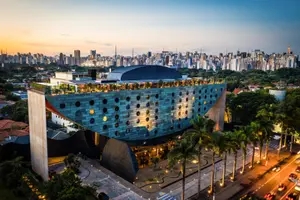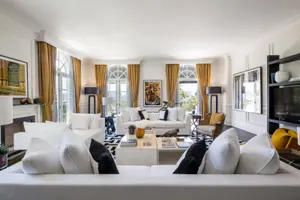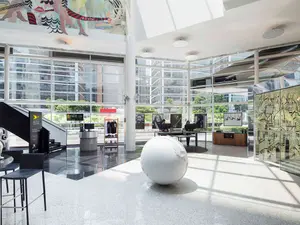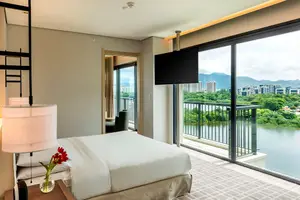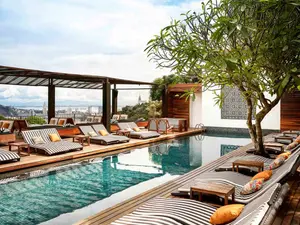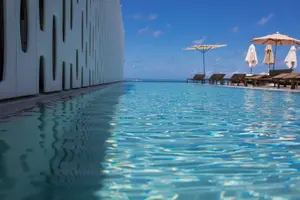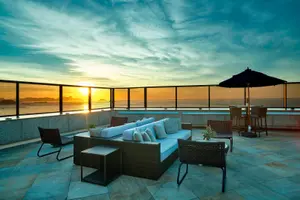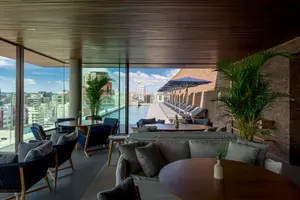
Grand Hyatt Sao Paulo
When you book Grand Hyatt Sao Paulo in Brazil through our Hyatt Privé partnership, your stay includes daily full breakfast for up to two guests and a property credit. You also receive a priority room upgrade when available. You continue earning World of Hyatt points and elite night credits. No premium credit card or membership needed: request a quote and our advisor books it at the same rate as booking direct.
Exclusive Booking Perks
These perks are included with your stay at the same rate as booking direct with the hotel.
- Welcome amenity provided to guests upon arrival.
- Daily complimentary full breakfast at a hotel restaurant for up to two guests.
- Property credit (value varies by property).
- Priority for room upgrade (response within 24 hours of booking, subject to forecasted occupancy).
- Early check-in/late check-out/connecting rooms (response within 24 hours of request, subject to forecasted occupancy).
Guest feedback
9.2/10 from 2,746 guest reviews
Read what guests commentedBy category
Guests liked
- Great service
- Comfortable rooms
Points to consider
- Cleanliness issues
- Limited food options
Location
Grand Hyatt properties deliver large-scale luxury with bold contemporary design, multiple dining venues, and amenities suited to both business and extended leisure stays. In São Paulo, that scale fits the city's own outsized character. This is the largest urban area in the Americas, a metropolis whose Latin motto, Non ducor, duco ("I am not led, I lead"), captures its self-possessed energy. Founded by Jesuit priests in 1554, São Paulo grew from colonial outpost to economic powerhouse during the 19th-century coffee boom, and today it exerts alpha-level global influence in finance, technology, gastronomy, and the arts. UNESCO recognises it as both a City of Film and the World Capital of Gastronomy, and the density of Michelin-starred restaurants here rivals any city in South America.
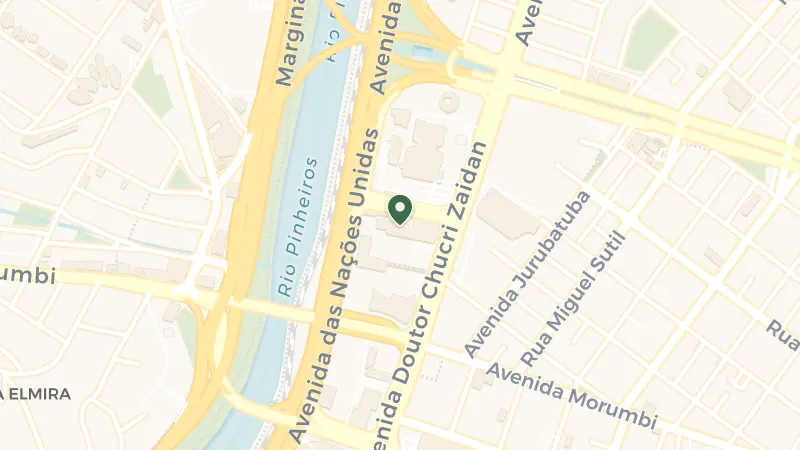
The property sits in Brooklin Novo, a business-forward neighbourhood bordered by Avenida Bandeirantes and the Marginal Pinheiros expressway, with Vila Olímpia and Itaim Bibi close by. The name nods to New York's borough, and the area shares a similar high-rise skyline and polished corporate energy. Street-level finds include Santo Mercado, a few kilometres west, and the organic Feira Orgânica Burle Marx in nearby Vila Olímpia, both worth a visit for local produce and prepared foods.
Congonhas–Deputado Freitas Nobre Airport lies five kilometres south, handling domestic flights, while international arrivals route through Guarulhos, 31 kilometres northeast. Traffic in São Paulo is famously dense; allow extra time for transfers and plan ground transport accordingly.
The property's dining venues cater to business travellers and extended stays alike, though the real culinary adventure unfolds across the city. Tuju, 4.2 kilometres away in a three-storey building near the Museu da Casa Brasileira, holds three Michelin stars for its creative approach to Brazilian ingredients. Evvai, 5.8 kilometres out, earns its three stars by weaving Italian technique through local produce with unrestrained passion. For Alex Atala's vision of contemporary Brazilian cuisine, D.O.M., two-starred and 6.4 kilometres distant, remains essential. Book a table weeks ahead for any of these. Closer to the hotel, the organic market at Feira Orgânica Burle Marx offers a Saturday-morning glimpse into São Paulo's obsession with quality ingredients, while Santo Mercado curates artisanal provisions from across Brazil.
Cultural landmarks demand attention: the São Paulo Museum of Art's suspended red frame holds one of Latin America's finest collections, and the Ipiranga Museum, dating to 1895, chronicles Brazilian independence. Instituto Butantan, established in 1901, houses serpentarium exhibits alongside medical history. The Botanical Garden of São Paulo, founded in 1938, spreads across native Atlantic Forest remnants. For a taste of the bandeirante legacy, head to Pátio do Colégio, the archaeological site where Jesuit priests first laid the city's foundations.
Summer arrives hot and wet. January through March sees highs near 27°C, afternoon rains sweeping across the city, and a humidity that clings to your skin. The streets shimmer with runoff, and indoor air-conditioning becomes a refuge.
Autumn and winter, from April through August, bring cooler, drier air. Temperatures drop into the low teens overnight, and mornings break crisp and bright. This is the most comfortable stretch for walking the neighbourhoods, exploring markets, and dining al fresco when patios open. July and August see the least rain, though the city never truly dries out.
Spring rebounds with warmth and occasional storms. September through November builds back toward summer's intensity, with October marking the return of heavier downpours. Plan long dinners and museum visits for these wetter months, and you'll find the city at its most dynamic.
Frequently Asked Questions

Quotes are personally reviewed by Natasha Hardy, founder of The Uncommon Traveller
5.0 rating · 8 Google reviewsThere is no fee or markup. The hotel pays our commission.
Request a Quote 36 Bib Gourmand