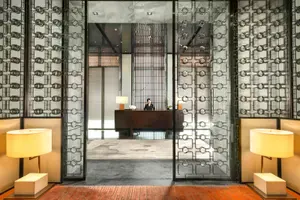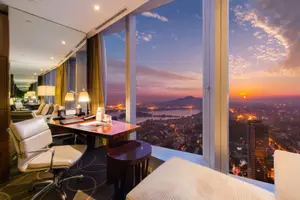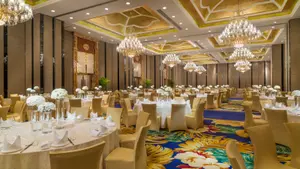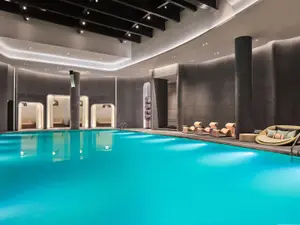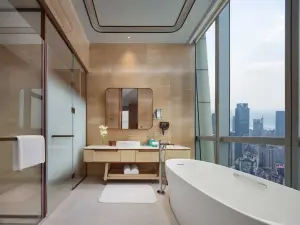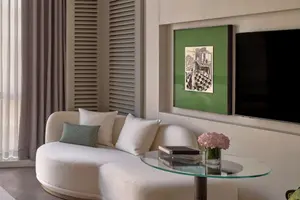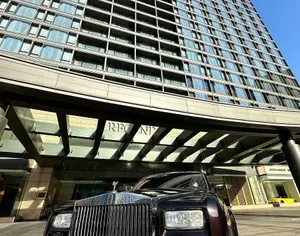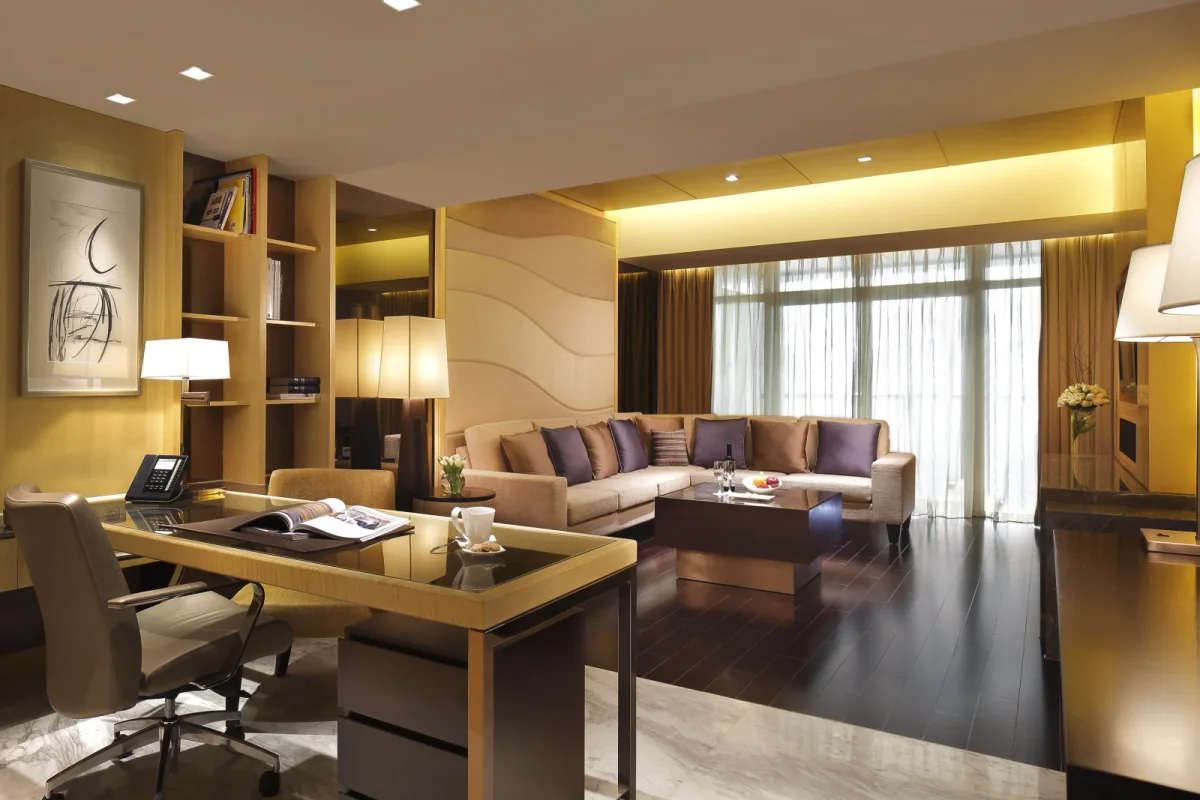
The Azure Ningbo, Vignette Collection
When you book The Azure Ningbo, Vignette Collection in China, through our IHG Destined partnership, your stay includes daily breakfast for two, a $100 USD hotel credit per stay and a welcome amenity. You also receive a room upgrade, early check-in and late check-out when available. No premium credit card or membership needed: request a quote and our advisor books it at the same rate as booking direct.
Exclusive Booking Perks
These perks are included with your stay at the same rate as booking direct with the hotel.
- $100 USD (or local currency equivalent) hotel credit per stay
- Daily complimentary breakfast for 2 guests (full or continental, depending on the hotel)
- Complimentary room upgrade (subject to availability)
- Local welcome amenity
- Early check-in / late check-out (subject to availability)
Guest feedback
9.6/10 from 66 guest reviews
By category
Guests liked
- Quiet neighborhood
- Value for money
Points to consider
- Staff do not speak or understand English
- No programs for new year's celebrations
Location
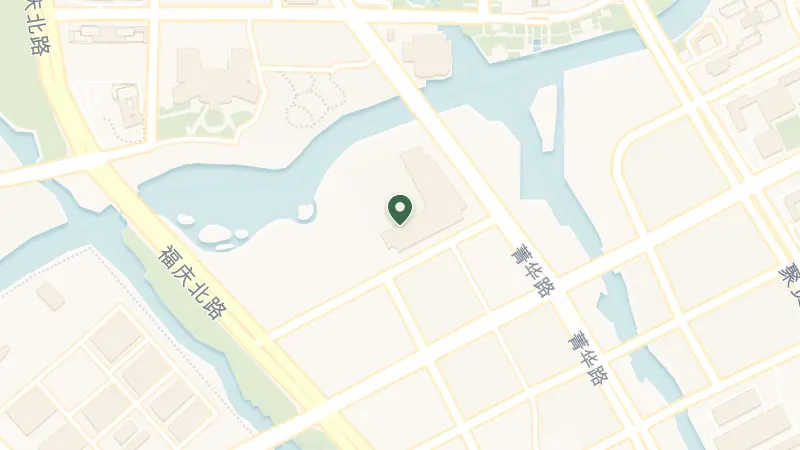
Ningbo sprawls along the confluence of the Yong River and the East China Sea, a port city that has traded silk, porcelain, and tea for over 1,200 years. The Old Bund district reveals the layered history: Qing dynasty guild halls stand shoulder to shoulder with Art Deco banking houses from the 1920s treaty port era, when European merchants shaped the waterfront skyline. Walk the streets at dusk and the scent of sweet osmanthus drifts from teahouse courtyards, mingling with salt air from the harbour.
Beyond the commercial centre, Ningbo unfolds into quieter neighbourhoods where morning markets spill across pavements with pyramids of hairy crab, bundles of lotus root, and baskets of Cixi yangmei berries. Tian Yi Pavilion, the oldest surviving private library in China (1561), sits among bamboo groves, its halls preserving centuries of rare manuscripts. The city balances mercantile energy with pockets of contemplative calm.
Ningbo Lishe International Airport lies seventeen kilometres northwest with direct metro and taxi connections to the city centre, linking the port to domestic and regional destinations across East Asia.
The property serves as a base for exploring Ningbo's cultural stratum, from the Tang dynasty Baoguo Temple (one of the oldest wooden structures in southern China) to the contemporary Ningbo Museum, designed by Wang Shu with salvaged materials that echo traditional wapan walls. Tiantong Forest Park, eighteen kilometres southeast, offers forested trails through a landscape of camphor laurel and ancient ginkgo, climbing toward the Tiantong Chan Buddhist Temple where Japanese Zen master Dogen studied in the 13th century. The park's paths wind past spring-fed pools and moss-covered stone bridges, quietest on weekday mornings before tour groups arrive.
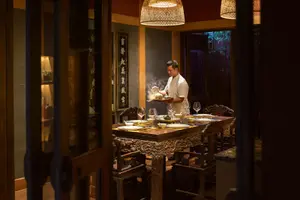
Book a table at Zhuangyuan Lou for ningbo tangyuan (black sesame rice balls in fermented glutinous rice soup) and xue cai huang yu (yellow croaker with preserved mustard greens), regional specialties rooted in the city's fishing heritage. The Old Bund's restored warehouse district holds teahouses serving locally grown Wanghai tea, best sampled while watching cargo ships navigate the river mouth at sunset.
Spring arrives with plum rain season from April through June, when humidity thickens and wisteria drapes temple courtyards in violet cascades. Temperatures climb from the mid-teens to near thirty degrees Celsius, the air soft and weighted with moisture that amplifies the green intensity of hillside tea plantations.
Summer stretches hot and sticky from July into September, the mercury hovering around thirty-one degrees. Afternoons slow to a drowsy hum, shops shuttered against the heat until evening breezes pull crowds back to riverfront promenades. Autumn transforms the city from late September onward: cooler air, clear skies, and the crispness that makes October and November ideal for long walks along the Yong River.
Winter settles cool but rarely bitter, daytime temperatures in the low teens, nights dipping toward freezing. The harbour light turns silvery and diffuse, perfect for visiting heated teahouses and museum galleries without summer's oppressive humidity.
Frequently Asked Questions

Quotes are personally reviewed by Natasha Hardy, founder of The Uncommon Traveller
5.0 rating · 8 Google reviewsThere is no fee or markup. The hotel pays our commission.
Request a Quote