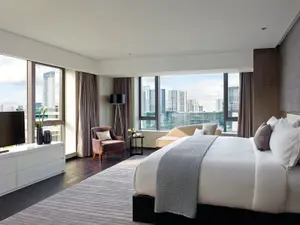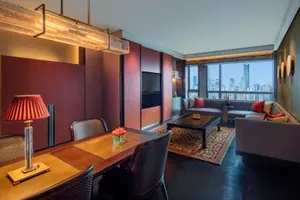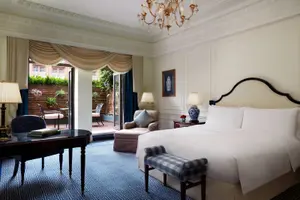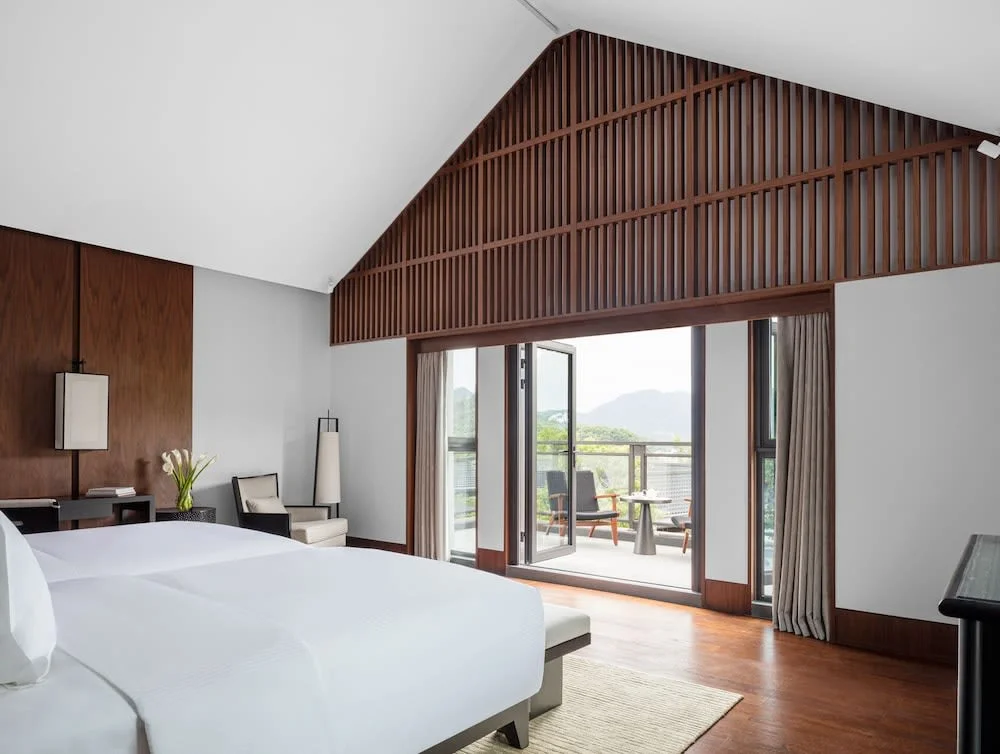
Cordis Dongqian Lake Ningbo
When you book Cordis Dongqian Lake Ningbo in China through our Couture by Langham partnership, your stay includes daily breakfast for two, a 125 GBP hotel credit and a welcome amenity. You also receive a one-category room upgrade, early check-in and late check-out when available. No premium credit card or membership needed: request a quote and our advisor books it at the same rate as booking direct.
Exclusive Booking Perks
These perks are included with your stay at the same rate as booking direct with the hotel.
- 125 GBP Hotel Credit (varies per property)
- Daily Breakfast For 2
- VIP Welcome Amenity
- Next tier room upgrade, subject to availability
- Early check-in and late check-out, subject to availability
Location
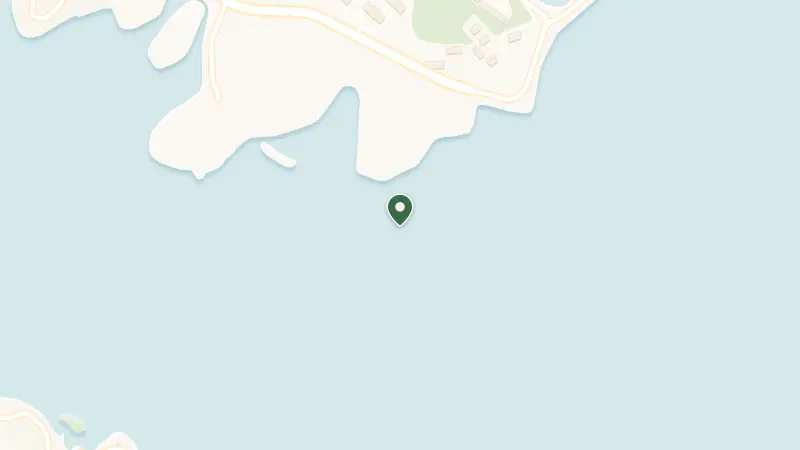
Dongqian Lake stretches across the eastern outskirts of Ningbo, its reed-fringed shores reflecting the rhythm of a city balancing ancient maritime heritage with contemporary prosperity. This is one of Zhejiang province's largest natural freshwater lakes, a rare expanse of calm water ringed by low hills where locals escape the density of the urban core. The air here shifts with the seasons, carrying the scent of lotus blooms in summer and wood smoke from lakeside villages in winter.
Ningbo itself traces its commercial DNA back more than a millennium, when its deep-water harbour made it a crucial node on the Maritime Silk Road. That mercantile spirit endures in the modern port city, though the pace softens considerably around Dongqian Lake, where cycling paths trace the shoreline and tea plantations climb the surrounding slopes. The lake area feels purposefully removed from the shipyards and container terminals that define Ningbo's economic engine.
Ningbo Lishe International Airport lies nineteen kilometres west, connected by taxi and shuttle services. The city's high-speed rail network places Hangzhou an hour away and Shanghai within two and a half hours, positioning this lakeside retreat within easy reach of the Yangtze River Delta's commercial capitals.
The lake itself dictates the rhythm of days here. Footpaths and cycling routes circle the water, passing through fishing villages where drying nets drape over weathered wooden racks and vendors sell freshly steamed buns stuffed with pickled mustard greens. The western shore holds the most developed infrastructure for visitors, while the quieter eastern banks reward exploration with temple pavilions half-hidden among bamboo groves. Birdwatchers time visits for the spring and autumn migrations, when the wetlands become temporary home to herons and egrets moving between breeding and wintering grounds.
Thirteen kilometres north, Tiantong Forest Park offers marked trails through mixed broadleaf and evergreen forest, the canopy dense enough to muffle the hum of the city beyond. The park shelters Tiantong Temple, a Chan Buddhist monastery founded in the Western Jin dynasty, where stone staircases climb through cedars and the sound of evening chanting drifts through the trees. Start early to catch the mist lifting off the lake at dawn, when the water turns silver and the surrounding peaks emerge like ink-wash paintings taking shape.
Winter arrives sharp and dry around Dongqian Lake, temperatures dipping to near freezing on January mornings while the water's edge crystallizes with frost. The hills take on a spare, skeletal beauty, and the low sun casts long shadows across the reed beds. Clear skies make this an excellent season for walks if you come prepared for the chill.
Spring builds slowly from March, the landscape flushing green as tea bushes leaf out on the hillsides and lotus shoots emerge in the shallows. April brings steady rain that softens the light and fills the streams feeding the lake. By late May, warmth settles in earnest, and the humidity begins its summer climb.
July and August turn sweltering, the air thick and temperatures pushing past thirty degrees, though afternoon thunderstorms provide brief respite. Autumn is the most forgiving season, September and October delivering warm days, cooler nights, and stable weather that makes lakeside cycling a pleasure rather than an ordeal.
Frequently Asked Questions

Quotes are personally reviewed by Natasha Hardy, founder of The Uncommon Traveller
5.0 rating · 8 Google reviewsThere is no fee or markup. The hotel pays our commission.
Request a Quote