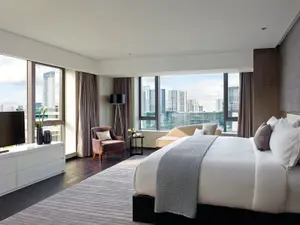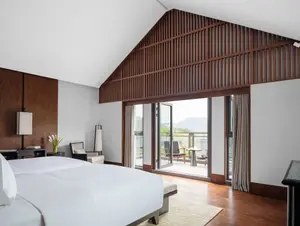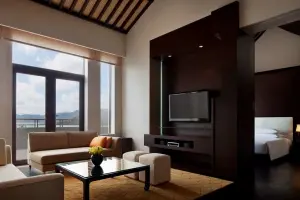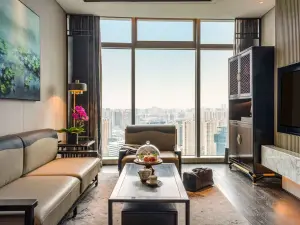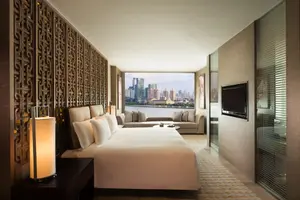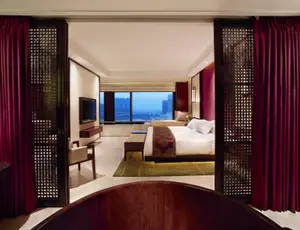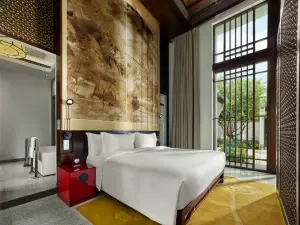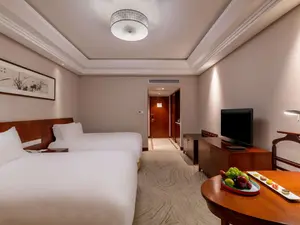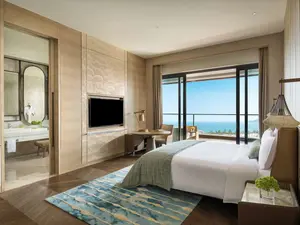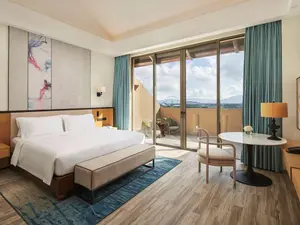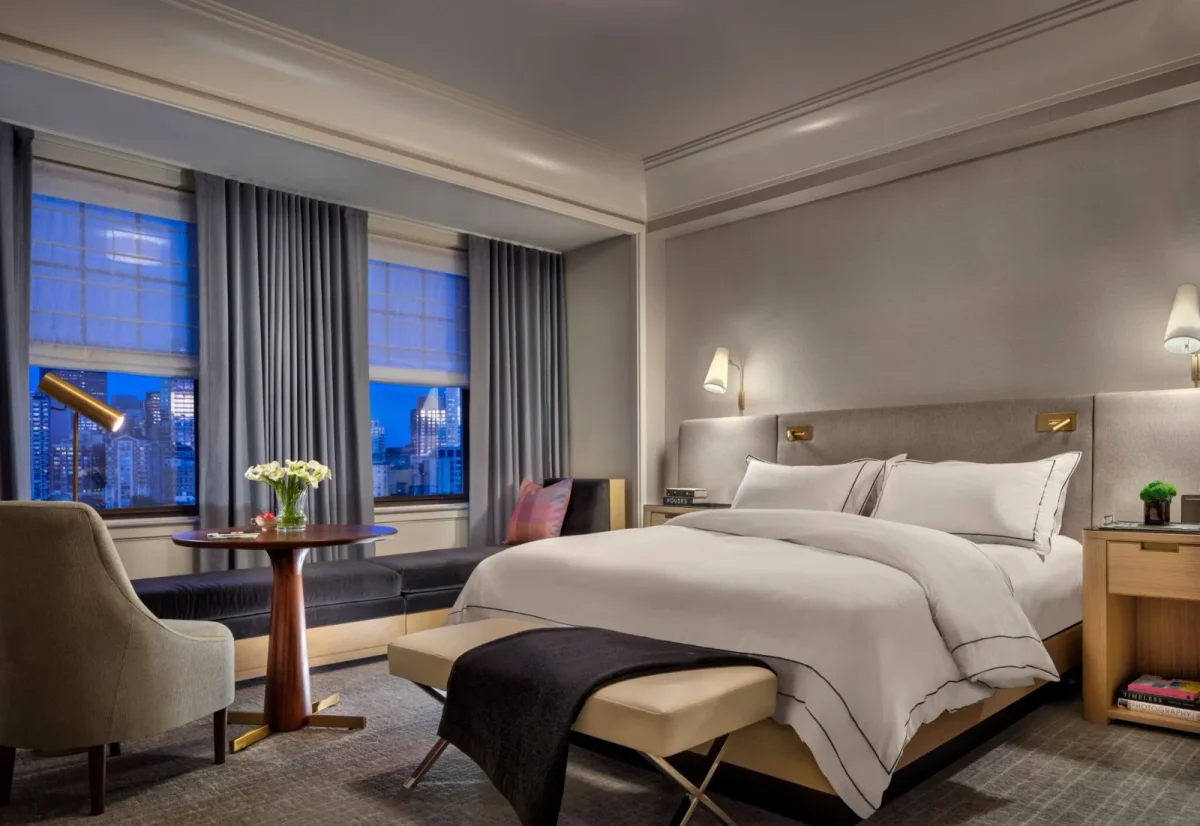
Sofitel Ningbo
When you book Sofitel Ningbo in China through our Accor Hera partnership, your stay includes daily breakfast for two and a $100 USD hotel credit. You also receive a room upgrade, early check-in and late check-out when available. You continue earning ALL Accor points and elite night credits. No premium credit card or membership needed: request a quote and our advisor books it at the same rate as booking direct.
Exclusive Booking Perks
These perks are included with your stay at the same rate as booking direct with the hotel.
- Daily complimentary breakfast for 2, per room
- $100 USD credit to be spent on property (conditions defined at check-in)
- Early check-in & late check-out (upon availability)
- Upgrade at time of check-in (upon availability)
Location
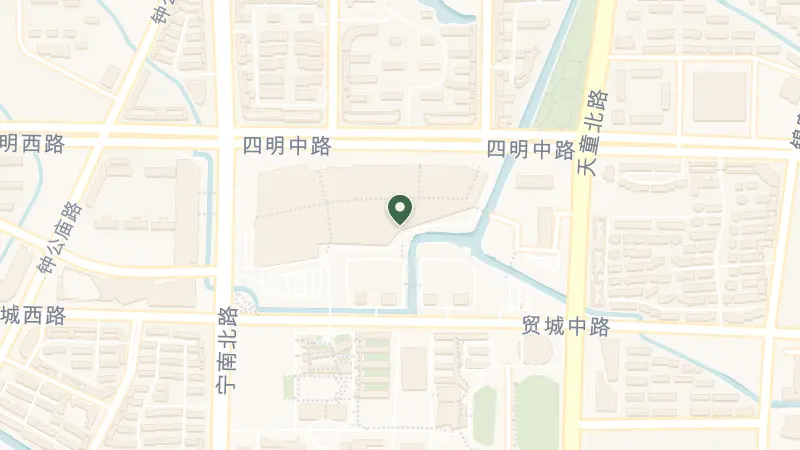
Sofitel brings French elegance to its properties worldwide, and in Ningbo the brand interprets this philosophy through interiors that weave Parisian refinement with regional Chinese craftsmanship. The property sits in Zhonggongmiao, a district where commercial energy meets the older rhythms of a port city that has traded with the world for centuries. Ningbo itself occupies a compelling position in Chinese history: it was one of the earliest treaty ports opened to Western merchants, and its location at the confluence of the Yong, Yao, and Fenghua rivers made it a natural conduit for silk, tea, and ceramics heading out to global markets.
Walk the streets around Zhonggongmiao and you'll notice how modern glass facades stand beside temple courtyards where incense still drifts through lacquered gates. The neighbourhood hums with a working vitality, markets spilling onto pavements, the clatter of bicycles and delivery scooters weaving through traffic. Ningbo's dialect is distinct even within Zhejiang province, and you'll hear its tonal cadences in teahouses and corner noodle shops.
Ningbo Lishe International Airport lies eight kilometres from the property, a swift transfer that deposits you into the city's commercial heart. The hotel's position in Zhonggongmiao places you within reach of both business districts and older quarters where canals reflect the upturned eaves of Qing-era buildings.
Ningbo's culinary identity draws from its coastal position and its history as a trading hub. Seafood dominates local menus: yellow croaker steamed with pickled vegetables, eel braised in soy and sugar, and hairy crab when autumn arrives. The city is also known for tangyuan, glutinous rice balls filled with black sesame paste, a Ningbo invention now found across China. Street vendors around Zhonggongmiao sell niangao, sticky rice cakes pan-fried until the edges crisp, often eaten for breakfast with soy milk.
For cultural context, Tianyi Pavilion stands as China's oldest surviving private library, its Ming-dynasty halls housing rare texts and woodblock prints. The pavilion's garden, with its carp-filled ponds and rockeries, offers a quiet counterpoint to the city's commercial pace. Drum Tower, a reconstructed Tang-era structure, anchors the old town area where lanes narrow and traditional storefronts sell bamboo baskets and calligraphy brushes. Book an afternoon to wander the canals of Yuehu (Moon Lake) district, where stone bridges arch over water and teahouses occupy buildings that predate the treaty port era.
Spring arrives wet in Ningbo, April and May bringing heavy rainfall that leaves the air thick and warm. By June, summer settles in with humidity that clings to your skin, temperatures climbing past thirty degrees. July and August are the hottest months, the kind of heat that sends locals to shaded arcades and air-conditioned malls during midday.
Autumn is the finest season to visit. September and October offer relief from summer's weight, temperatures moderating while the sky clears to a pale blue. November brings cooler, drier days ideal for walking the old town's lanes without the burden of humidity.
Winter turns sharp but rarely freezing, December through February seeing daytime highs in the single digits to low teens. Rain falls less frequently, and the city takes on a quieter, more introspective character, steam rising from noodle stalls in the early morning chill.
Frequently Asked Questions

Quotes are personally reviewed by Natasha Hardy, founder of The Uncommon Traveller
5.0 rating · 8 Google reviewsThere is no fee or markup. The hotel pays our commission.
Request a Quote