Banyan Tree Tianjin Riverside
When you book Banyan Tree Tianjin Riverside in China through our Accor Hera partnership, your stay includes daily breakfast for two and a $100 USD hotel credit. You also receive a room upgrade, early check-in and late check-out when available. No premium credit card or membership needed: request a quote and our advisor books it at the same rate as booking direct.
Exclusive Booking Perks
These perks are included with your stay at the same rate as booking direct with the hotel.
- Daily complimentary breakfast for 2, per room
- $100 USD credit to be spent on property (conditions defined at check-in)
- Early check-in & late check-out (upon availability)
- Upgrade at time of check-in (upon availability)
Location
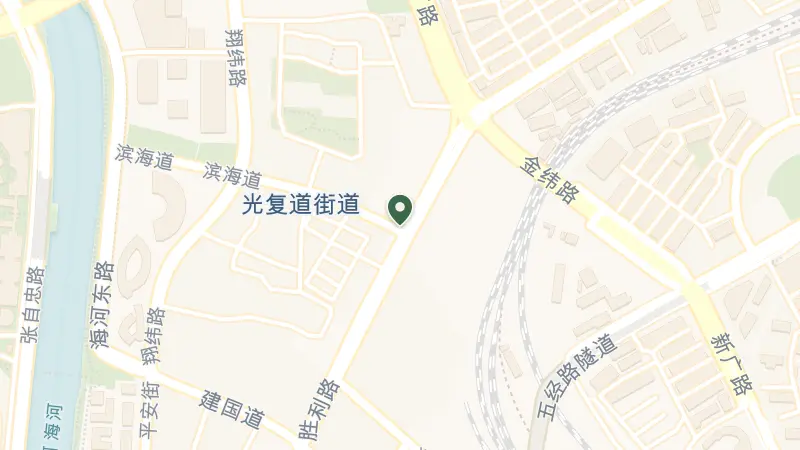
Banyan Tree brings its signature blend of Asian wellness traditions and environmental commitment to Tianjin, a port city whose layered history stretches from imperial granaries to European concessions to contemporary finance. The property occupies Guangfudao, a riverine island where the Hai River loops through the city's evolving skyline. Step outside and you'll find yourself in a district where old and new China coexist: 19th-century Italianate facades share streetscapes with glass towers, while locals gather in riverside parks for early morning taijiquan practice.
Tianjin's identity has long been shaped by water and commerce. Once the gateway to Beijing, the city retains its merchant past in the preserved architecture of the former foreign concessions, now home to galleries, teahouses, and boutiques. A temple market lies just under two kilometres from the property, offering morning glimpses of daily life: vendors hawking baozi and jianbing, stacks of seasonal produce, incense smoke curling from nearby shrines.
Tianjin Binhai International Airport sits 13 kilometres east, connected by metro and taxi in under 30 minutes. Beijing's airports, Daxing and Capital, lie 78 and 116 kilometres northwest respectively, accessible via high-speed rail that links the two cities in under an hour.
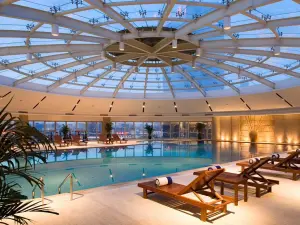
The property's Banyan Tree Spa offers treatments grounded in traditional Asian healing: expect ginger-warmed poultices, Thai massage techniques, and herbal compress therapies that draw on the brand's wellness philosophy. The spa becomes a quiet counterpoint to the city's momentum, a place to reset after mornings spent navigating Tianjin's hutong alleyways or afternoons in the former Italian Concession's tree-lined streets. On-site dining leans into regional flavours, with Cantonese and northern Chinese specialties forming the core of the menu.
Beyond the property, Tianjin's culinary landscape rewards exploration. The city's street food culture thrives in its market districts: goubuli baozi (steamed buns with pork filling), mahua (twisted fried dough), and jianbing guozi (savoury crepes) anchor breakfast routines. Book an evening at one of the heritage district's intimate dining rooms for regional specialties like eight treasure tofu or Bohai Bay seafood prepared in the local style. The temple market, less than two kilometres away, delivers morning theatre: haggling vendors, seasonal vegetables piled high, and the sharp scent of vinegar from dumpling stalls.
Winter arrives hard in Tianjin, with January temperatures hovering near freezing and occasional dustings of snow turning the riverbanks quiet. Mornings carry a sharp, dry cold, and locals bundle into padded coats for brief outdoor excursions. The city slows, but teahouses fill with warmth and conversation.
Spring unfolds quickly from March onwards, bringing mild afternoons and the first green haze to riverside willows. April sees cherry blossoms along park pathways, and café tables reappear on concession-era streets. This shoulder season offers comfortable exploration before summer's intensity.
Summer heat peaks in July and August, with humidity climbing alongside temperatures above 30°C. Afternoon thunderstorms arrive with regularity, clearing the air temporarily before the moisture returns. Autumn, particularly September and October, delivers the year's finest conditions: crisp air, golden light slanting across the Hai River, and comfortable temperatures ideal for long walks through the city's historic quarters.
Frequently Asked Questions

Quotes are personally reviewed by Natasha Hardy, founder of The Uncommon Traveller
5.0 rating · 8 Google reviewsThere is no fee or markup. The hotel pays our commission.
Request a Quote