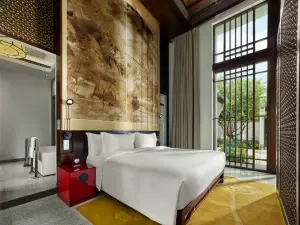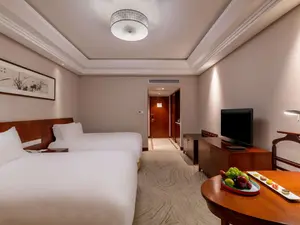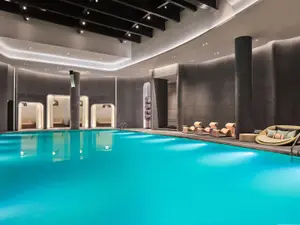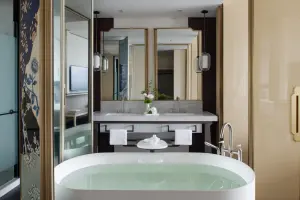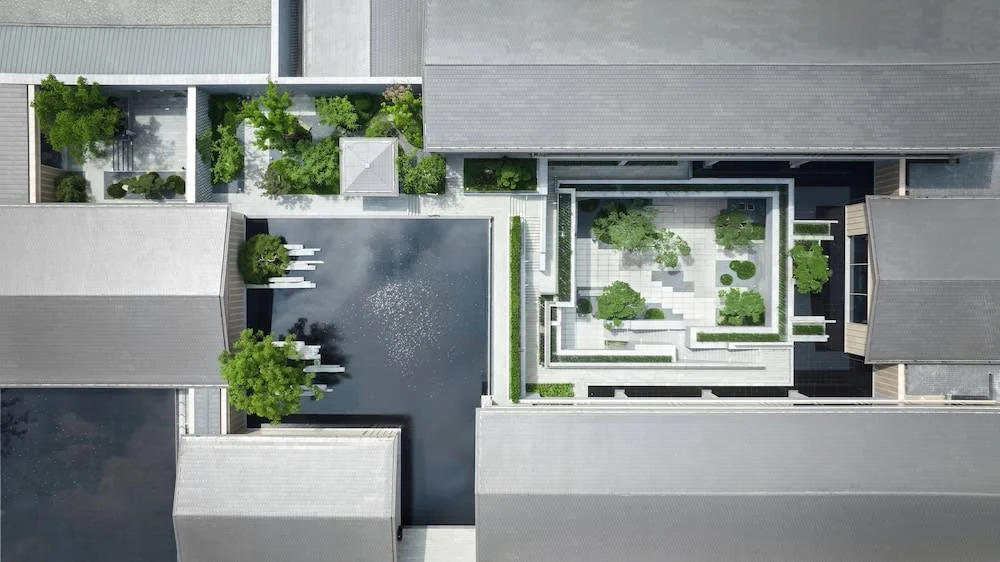
Banyan Tree Suzhou Shishan
When you book Banyan Tree Suzhou Shishan in China through our Accor Hera partnership, your stay includes daily breakfast for two and a $100 USD hotel credit. You also receive a room upgrade, early check-in and late check-out when available. No premium credit card or membership needed: request a quote and our advisor books it at the same rate as booking direct.
Exclusive Booking Perks
These perks are included with your stay at the same rate as booking direct with the hotel.
- Daily complimentary breakfast for 2, per room
- $100 USD credit to be spent on property (conditions defined at check-in)
- Early check-in & late check-out (upon availability)
- Upgrade at time of check-in (upon availability)
Location
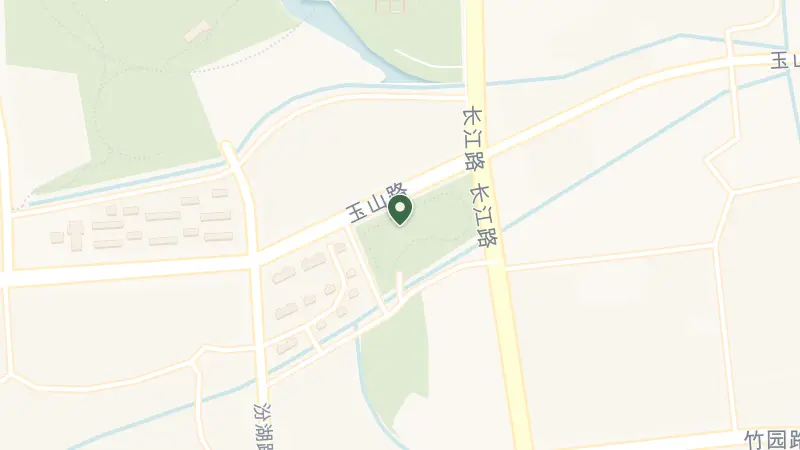
Banyan Tree brings its sustainability-focused approach and private pool villa tradition to Suzhou, a city that has perfected the art of miniaturising nature for more than a millennium. Here, the group's signature spa philosophy rooted in Asian healing traditions finds a natural home, while its conservation programmes align with a destination where garden-making has always been an environmental discipline as much as an aesthetic one.
Suzhou sprawls across the Yangtze Delta, its historic core laced with canals that once made it the silk capital of imperial China. The Classical Gardens of Suzhou, nine kilometres north, remain the most complete surviving examples of scholar garden design, where every rock placement and water view was calibrated to evoke mountain wilderness within courtyard walls. These UNESCO-inscribed gardens, dating from the 11th to the 19th centuries, invented a visual language of borrowed scenery and controlled perspective that influenced landscape architecture across East Asia.
The property sits on the edge of Lake Taihu, China's third-largest freshwater body, whose mist-veiled shoreline has inspired poets since the Tang dynasty. Sunan Shuofang International Airport lies twenty-six kilometres northeast, with Shanghai Hongqiao a more distant option seventy-six kilometres east for those connecting through the metropolis.
The lake itself pulls focus. Taihu's limestone karst formations rise from shallow waters, creating the scholarly rock shapes that Suzhou garden-makers once quarried and prized for their perforated, weather-worn silhouettes. Walking the shoreline trails reveals how the original garden designers sourced their miniature mountains. For Michelin-level Jiangsu cooking, venture north to Pingjiangsong, a one-star restaurant eight kilometres away in the Pingjiang historic quarter, where season-driven menus reinterpret Suzhou culinary traditions within a restored ancient mansion that mirrors the classical garden aesthetic. Book a table at Dingshan · Jiangyan, seventeen kilometres distant, for refined lake-view dining that showcases local produce with the precision the city's silk weavers once brought to their looms.
The Classical Gardens themselves demand unhurried mornings. The Humble Administrator's Garden and Lingering Garden, both within the UNESCO designation, operate as philosophical texts written in water, stone, and pruned pine. Don't miss the Master of Nets Garden for its after-dark traditional music performances, when lantern light transforms the courtyards into scroll paintings come alive.
Spring arrives in March with plum blossoms in the gardens, temperatures climbing from fifteen degrees to the mid-twenties by May, though April showers drench the stone pathways and test the waxed-paper umbrellas. Summer stretches humid and hot, July peaking above thirty degrees with Taihu's surface shimmering flat under haze, cicadas loud in the plane trees.
Autumn owns Suzhou. September through November brings crystalline light, temperatures falling from the high twenties to the mid-teens, the kind of weather that once sent scholars to their lakeside pavilions with brush and ink. Osmanthus blooms scent the garden air in October.
Winter turns the city introspective, temperatures hovering near freezing, occasional snow dusting the upturned eaves. The gardens empty out, their bones revealed, every compositional decision suddenly legible in the stripped-back cold.
Frequently Asked Questions

Quotes are personally reviewed by Natasha Hardy, founder of The Uncommon Traveller
5.0 rating · 8 Google reviewsThere is no fee or markup. The hotel pays our commission.
Request a Quote 18 Bib Gourmand