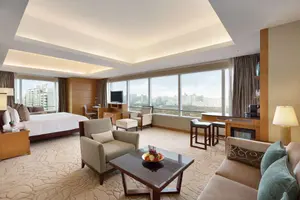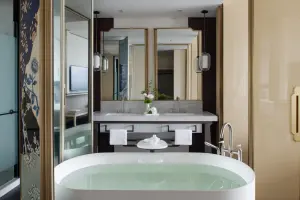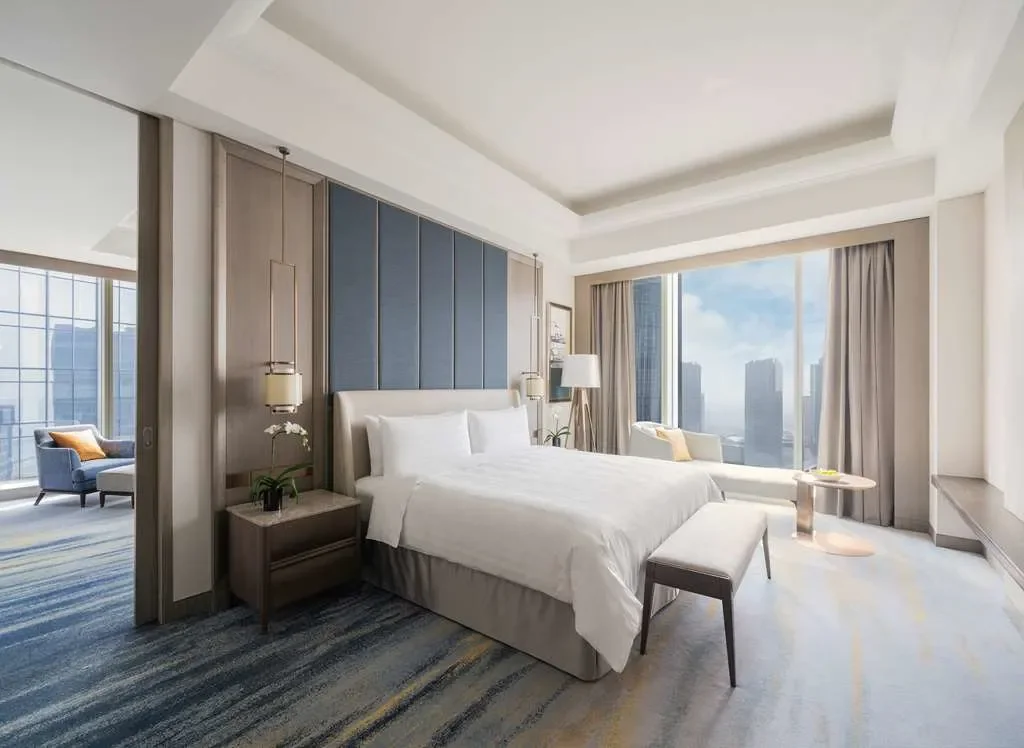
Shangri-La Yuanqu, Suzhou
When you book Shangri-La Yuanqu, Suzhou in China, through our Shangri-La Luxury Circle partnership, your stay includes full breakfast for two and a hotel credit of USD $50 or $100 once per stay. You also receive a one-category room upgrade, early check-in and late check-out when available. No premium credit card or membership needed: request a quote and our advisor books it at the same rate as booking direct.
Exclusive Booking Perks
These perks are included with your stay at the same rate as booking direct with the hotel.
- Upgrade to the next room type category at the time of booking, subject to availability
- Hotel credit of USD $50 or $100 (once per stay)
- Complimentary full breakfast for two, including in-room dining
- A VIP Welcome Amenity
- Early check-in and late check-out, subject to availability
Guest feedback
9.2/10 from 42 guest reviews
By category
Guests liked
- Чистота
- Расположение
- Дизайн
Location
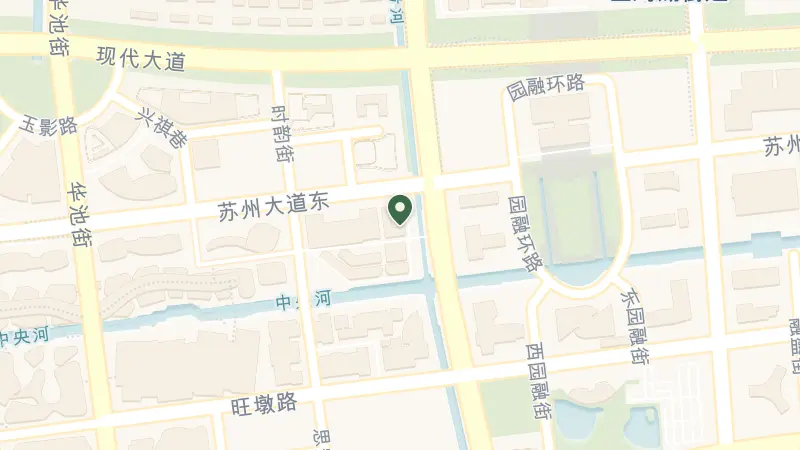
Shangri-La brings its signature blend of Asian-rooted hospitality and CHI wellness philosophy to Suzhou, a city that has perfected the art of balance between ancient tradition and modern ambition. Here, the rhythm of contemporary life hums alongside silent canals and whitewashed walls, where scholars once gathered in garden pavilions to write poetry and contemplate nature. The city earned its UNESCO recognition for nine classical gardens that translate natural landscapes into miniature compositions of rock, water, and carefully pruned vegetation, spaces designed not for grand spectacle but for quiet contemplation.
The property sits within the Time Square North Community, a developing area that reflects Suzhou's rapid transformation from historic silk capital to industrial and technological hub. Within twenty-five kilometres lie the Classical Gardens of Suzhou, inscribed in 1997 as masterworks of Chinese garden design, each one a study in controlled artifice that paradoxically feels more natural than nature itself. The garden philosophy permeates the city: even in modern districts, you'll find rockeries and moon gates tucked between office towers.
Sunan Shuofang International Airport lies thirty-three kilometres away, while Shanghai Hongqiao connects sixty kilometres east for broader international links.
Suzhou's culinary reputation rests on Jiangsu cuisine's delicate hand, and two nearby Michelin-starred restaurants demonstrate why. Pingjiangsong, tucked into a remodelled ancient mansion in the Pingjiang historic quarter eight kilometres away, applies modern touches to season-driven Suzhou traditions amid classical architecture. Dingshan · Jiangyan, perched atop an office tower thirteen kilometres distant, pairs refined local cooking with panoramic lake views that complement rather than overshadow what arrives on the plate. The Yangtze Delta's seasonality drives both menus: spring bamboo shoots, autumn crab, winter preserved vegetables.
Beyond dining, the UNESCO gardens demand slow exploration. Each of the nine sites operates according to borrowed scenery and controlled revelation, where a moon gate frames a distant pagoda or a winding corridor delays the view of a central pond. Book a morning visit to catch the gardens in soft light, when other visitors are few and the stillness approaches what the original scholars intended. The market at A/B, fifteen kilometres out, offers a glimpse into daily provisioning rhythms and local produce cycles.
Winter arrives cold and damp, with January temperatures hovering just above freezing and fog settling over canals like brushed ink on silk. The gardens take on a spare beauty, rock compositions stark against grey skies. Spring builds gradually from March into May, the air warming and the rainfall increasing as wisteria drapes over garden pavilions and magnolias bloom in courtyards.
Summer is hot and humid, July pushing past thirty degrees with June bringing the heaviest precipitation. The heat sends locals into shaded corridors and air-conditioned teahouses by midday. Autumn offers the most comfortable conditions: September and October bring warm days, cool evenings, and clearer skies.
The shoulder seasons frame the ideal visiting window, when temperatures sit between fifteen and twenty-five degrees and the city's gardens show their seasonal character without the extremes of summer humidity or winter chill.
Frequently Asked Questions

Quotes are personally reviewed by Natasha Hardy, founder of The Uncommon Traveller
5.0 rating · 8 Google reviewsThere is no fee or markup. The hotel pays our commission.
Request a Quote 18 Bib Gourmand