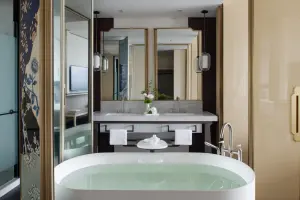
The Ritz-Carlton, Suzhou
When you book The Ritz-Carlton, Suzhou in China, through our Marriott STARS partnership, your stay includes daily breakfast for two and a $100 USD hotel credit once per stay. You also receive a room upgrade, early check-in and late check-out when available. You continue earning Marriott Bonvoy points and elite night credits. No premium credit card or membership needed: request a quote and our advisor books it at the same rate as booking direct.
Exclusive Booking Perks
These perks are included with your stay at the same rate as booking direct with the hotel.
- Personalized and customized amenity
- Complimentary breakfast daily for two guests per room
- All STARS hotels offer a hotel credit valued at $100 USD (once per stay)
- Early check-in and late check-out (when available)
- Complimentary upgrade (if available at check-in)
Location
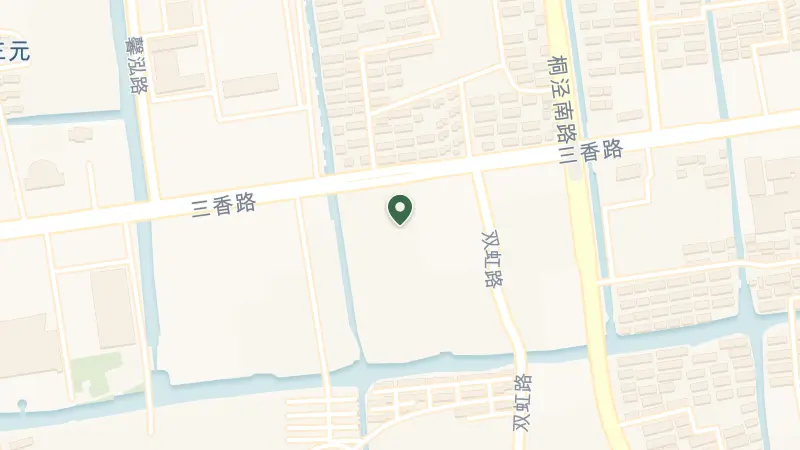
Ritz-Carlton properties bring the brand's signature service philosophy to every destination, a commitment to anticipatory care and personalized attention that transcends location. Here, that ethos meets a city where water shapes everything: canals thread through neighbourhoods, arched stone bridges connect winding lanes, and the art of garden-making reaches its zenith.
Suzhou earned its reputation as the garden capital of China through centuries of refinement. The Classical Gardens of Suzhou, a UNESCO World Heritage collection thirteen kilometres from the property, distill an entire philosophy of landscape design into intimate courtyards where every rock, pavilion, and lotus pond is arranged to evoke mountain ranges and vast lakes within a few walls. The Pingjiang historic quarter, under five kilometres away, preserves the city's Ming and Qing dynasty street pattern: whitewashed houses with black-tiled roofs lean over narrow canals, teahouses occupy timber-frame buildings, and the rhythm of daily life still follows the waterways.
Sunan Shuofang International Airport lies twenty-six kilometres north. The city's broader position between Shanghai (seventy-two kilometres east) and the Yangtze River Delta makes it a nexus of both ancient Silk Road heritage and contemporary manufacturing prowess, though the hotel district keeps its focus on the former.
Pingjiangsong, just under five kilometres into the Pingjiang quarter, holds one Michelin star for Jiangsu cuisine that honours Suzhou culinary traditions within a restored mansion where classical garden elements frame each dining room. The menu shifts with what's in season: spring brings qingtuan rice cakes fragrant with mugwort, summer sees lotus root from nearby lakes. For panoramic context, Dingshan Jiangyan, fourteen kilometres out atop an office tower, presents refined Suzhou cooking with sweeping lake views that amplify rather than overshadow dishes built on local produce cycles.
Book a table at either restaurant well ahead, especially during spring's tea harvest season when demand peaks. The Wet Market, two and a half kilometres from the property, operates early morning hours when vendors arrange produce in geometric precision and the air smells of coriander, ginger, and fresh-caught river fish. The Classical Gardens themselves deserve multiple visits: each garden, whether the Humble Administrator's Garden or the Lingering Garden, unfolds a different interpretation of borrowed scenery, enclosed sky, and water as the central organizing principle.
Winter settles cold and damp over Suzhou, temperatures hovering just above freezing through January and February, mist rising off the canals at dawn. The stone bridges and garden pavilions take on a monochrome beauty under grey skies, crowds thin, and teahouses become refuges.
Spring arrives emphatically in March, warming quickly through April when wisteria drapes the garden galleries and plum blossoms peak. May turns humid, rain frequent but brief, the gardens lush and intensely green. Summer brings monsoon weight to the air: June sees the heaviest rainfall, July and August push past thirty degrees with thick humidity that makes shaded courtyards essential.
Autumn, particularly October and November, offers the most comfortable visiting window. The light turns golden, humidity drops, and temperatures settle into the low twenties before cooling further as December approaches. The ginkgo trees in the gardens flame yellow, and the city's pace quickens after summer's torpor.
Frequently Asked Questions

Quotes are personally reviewed by Natasha Hardy, founder of The Uncommon Traveller
5.0 rating · 8 Google reviewsThere is no fee or markup. The hotel pays our commission.
Request a Quote 18 Bib Gourmand