W Suzhou
When you book W Suzhou in China through our Marriott Luminous partnership, your stay includes daily breakfast for two and a welcome amenity. You also receive a room upgrade, early check-in and late check-out when available. You continue earning Marriott Bonvoy points and elite night credits. No premium credit card or membership needed: request a quote and our advisor books it at the same rate as booking direct.
Exclusive Booking Perks
These perks are included with your stay at the same rate as booking direct with the hotel.
- Welcome amenity
- Complimentary breakfast daily for two guests per room
- Early check-in and late check-out (when available)
- Complimentary upgrade (if available at check-in)
Location
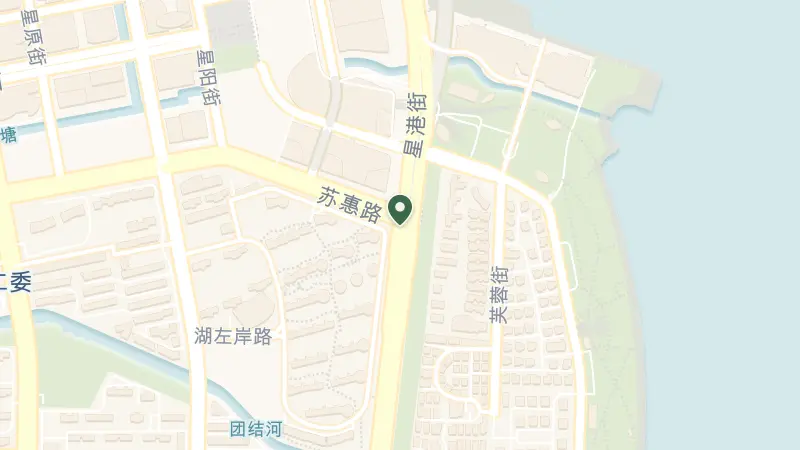
W Hotels brings its bold, design-forward sensibility to Suzhou, a city where contemporary energy meets twenty-five centuries of silk, poetry, and garden-making tradition. The property leans into the brand's signature social aesthetic: mood lighting, curated cocktail programming, and spaces built for gathering rather than retreat. Suzhou itself unfolds along a lattice of canals that once made it the Venice of the East, though today glass towers share the skyline with whitewashed Ming-era houses and the swooping eaves of temple roofs.
This is the Yangtze Delta's quieter counterpart to Shanghai, a city that grew wealthy on silk weaving and canal trade, then refined that wealth into an art of living. Scholars retreated here to build gardens that compressed mountains, lakes, and forests into walled courtyards. Walk the old neighbourhoods and you'll hear the click of mah-jong tiles through open doorways, smell the vinegar sharpness of braised fish, pass dumpling shops where the wrappers are still rolled by hand.
Sunan Shuofang International Airport lies thirty-one kilometres north. Shanghai Hongqiao, a regional hub with broader international connections, sits sixty-four kilometres east, linked by high-speed rail that makes the journey in under half an hour.
The city's culinary reputation rests on a delicate, slightly sweet style of cooking that favours lake fish, river shrimp, and seasonal vegetables. Pingjiangsong, a one-Michelin-starred restaurant four and a half kilometres away in the Pingjiang historic quarter, occupies a remodelled mansion woven into a classical garden. The menu honours Suzhou tradition with modern inflections: think squirrel-shaped mandarin fish and braised pork belly glazed to amber. Twelve kilometres out, Dingshan · Jiangyan holds one star and sprawls across the top floor of an office tower, offering panoramic lake views and precise, seasonal Jiangsu cooking that lets superior produce speak plainly.
The Classical Gardens of Suzhou, a UNESCO World Heritage Site, scatter across the old city about twenty-one kilometres from the property. These walled landscapes compress natural scenery into intimate scales: koi ponds, rockeries shaped like mountain ranges, pavilions positioned to frame a single plum branch. The Humble Administrator's Garden and the Lingering Garden are the most celebrated, though the smaller Garden of the Master of the Nets captures the same principles in microcosm. Book a table at one of the canal-side restaurants in Pingjiang Road's preserved quarter, where you can watch wooden boats slide past stone bridges as the light fades.
Winter brings sharp, damp cold and pale skies, with January temperatures hovering just above freezing. The canals look their most austere under this flat light, and the gardens empty out, though teahouses stay warm. Spring arrives hesitantly in March, then rushes forward: plum blossoms first, then azaleas and wisteria draping the garden walls by April. Humidity climbs through May.
Summer is hot, thick, and wet. June sees the plum rains, when moisture hangs in the air and temperatures push past thirty degrees. July and August bring the heaviest heat, though covered walkways and pavilions in the gardens offer shade. The city slows its pace.
Autumn is the prime season. September cools to the mid-twenties, October drops further, and the light turns golden. The gardens glow with osmanthus blossoms, their scent drifting over courtyard walls. November brings crisp mornings and the last of the colour before winter settles back in.
Frequently Asked Questions

Quotes are personally reviewed by Natasha Hardy, founder of The Uncommon Traveller
5.0 rating · 8 Google reviewsThere is no fee or markup. The hotel pays our commission.
Request a Quote 18 Bib Gourmand