The St. Regis Tianjin
When you book The St. Regis Tianjin in China through our Marriott STARS partnership, your stay includes daily breakfast for two and a $100 USD hotel credit once per stay. You also receive a room upgrade, early check-in and late check-out when available. You continue earning Marriott Bonvoy points and elite night credits. No premium credit card or membership needed: request a quote and our advisor books it at the same rate as booking direct.
Exclusive Booking Perks
These perks are included with your stay at the same rate as booking direct with the hotel.
- Personalized and customized amenity
- Complimentary breakfast daily for two guests per room
- All STARS hotels offer a hotel credit valued at $100 USD (once per stay)
- Early check-in and late check-out (when available)
- Complimentary upgrade (if available at check-in)
Location
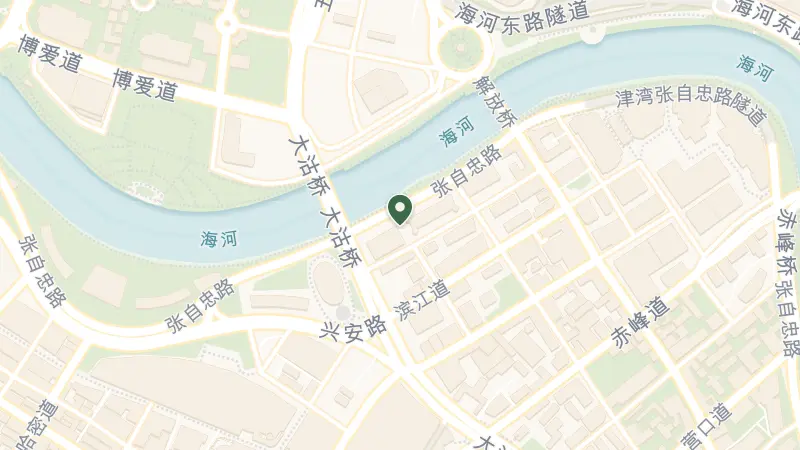
St. Regis has carried a legacy of refined service and butler attentiveness since its founding in New York over a century ago, and each property interprets local heritage through a formal, polished lens. The Tianjin outpost upholds this tradition in a city where colonial concession architecture meets modern ambition, a place that once rivalled Shanghai as a treaty port. Xiaobailou, the surrounding neighbourhood, retains echoes of that era: European-style facades and tree-lined avenues now interspersed with contemporary towers.
Tianjin itself unfolds along the Hai River, a metropolis of over fifteen million that grew wealthy on salt trade and foreign concessions in the late nineteenth century. The old quarters preserve French, British, and Italian architectural fragments, while the city's northern reaches sprawl into industrial zones. The pace here is urbane but less frenetic than Beijing, with wide boulevards and a skyline punctuated by the twisted forms of contemporary Chinese design.
Tianjin Binhai International Airport lies thirteen kilometres from the property, connected by metro and taxi. Beijing's two airports, Daxing and Capital, serve as alternate gateways for international arrivals, though the journey from either exceeds an hour.
The temple market, three kilometres from the property, offers a textured glimpse into local commerce: stalls piled with dried seafood, candied hawthorn skewers, and clay teapots alongside incense vendors and fortune tellers. Arrive early to watch vendors arrange their wares under strings of red lanterns. The rhythm here is unhurried, a counterpoint to the polished retail corridors elsewhere in the city. Tianjin is known for jianbing, a savoury crêpe folded around crisp wonton skins, scallions, and fermented bean paste, sold from street carts near the market.
Michelin has not yet extended its guide to Tianjin, so dining here leans on local reputation rather than starred validation. The city's culinary identity centres on baozi, particularly goubuli baozi, steamed buns with pork and ginger that originated here in the mid-nineteenth century. Book a table at an established baozi house to understand why this dish became a regional benchmark. The ICEC Pier, nearly twenty kilometres distant, draws weekend sailors but offers little beyond marina infrastructure.
Winter here is brittle and unforgiving. January temperatures plunge well below freezing, the air dry and sharp, the city wrapped in a pale, flat light. Streets empty early. Spring arrives with dust storms in March, then softens into mild April afternoons when the city sheds its grey pallor and café tables reappear along the concession streets.
Summer brings oppressive humidity and monsoon rains, particularly in July when precipitation peaks. The air turns thick, the river sluggish, and relief comes only indoors. September is the ideal window: warm but manageable, skies clearing, the city exhaling after the summer deluge.
Autumn deepens into November with crisp mornings and golden light slanting through the plane trees that line the former French quarter. By December, the cold returns in earnest, and the city braces for another frozen season.
Frequently Asked Questions

Quotes are personally reviewed by Natasha Hardy, founder of The Uncommon Traveller
5.0 rating · 8 Google reviewsThere is no fee or markup. The hotel pays our commission.
Request a Quote