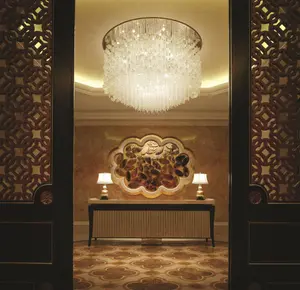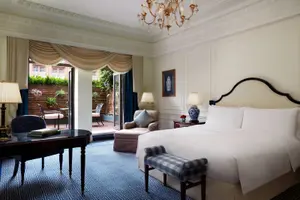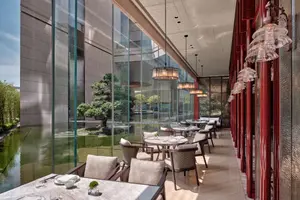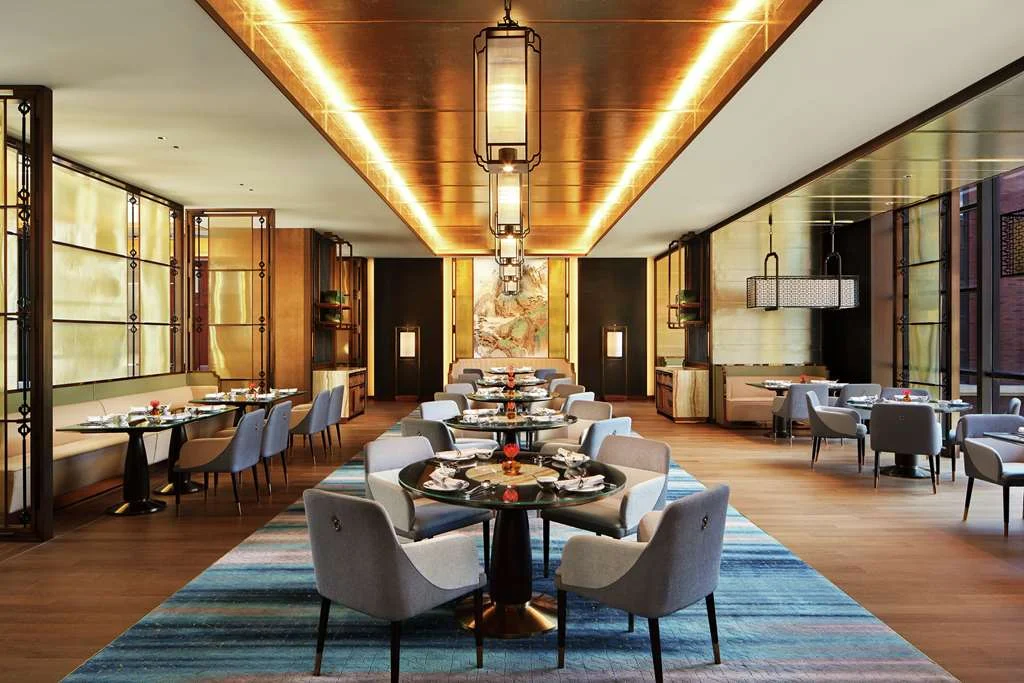
Conrad Tianjin
When you book Conrad Tianjin in China through our Hilton for Luxury partnership, your stay includes breakfast for two and a hotel credit of USD 100 per stay. You also receive a one-category room upgrade when available. You continue earning Hilton Honors points and elite night credits. No premium credit card or membership needed: request a quote and our advisor books it at the same rate as booking direct.
Exclusive Booking Perks
These perks are included with your stay at the same rate as booking direct with the hotel.
- VIP guest status
- Complimentary breakfast for 2 guests
- USD100 hotel credit per stay (or local equivalent)
- Double Hilton Honors Points
- Upgrade to next room category (subject to availability)
Guest feedback
9.6/10 from 77 guest reviews
By category
Guests liked
- Clean room
- Comfortable bed
- First-rate service
Points to consider
- Difference in booking price
- Unsatisfactory booking experience
Location
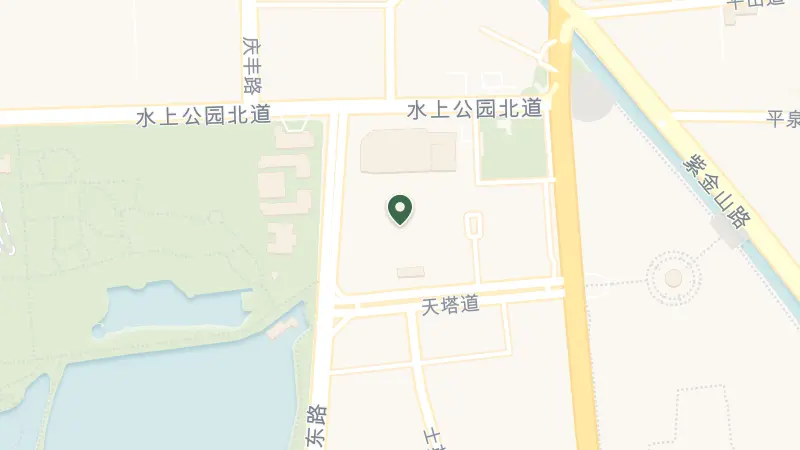
Conrad brings a contemporary edge to China's gateway cities, blending intuitive service with design that speaks to local character. In Tianjin, the brand's sensibility finds expression in a city that straddles two worlds: ancient treaty port and modern industrial powerhouse. The Shuishanggongyuan neighbourhood (literally Water Park) takes its name from the sprawling public parkland that anchors this part of the city, where locals practice tai chi beside lotus-filled lakes and willow-lined paths offer respite from the urban pulse.
Tianjin itself remains underappreciated by international travelers who rush between Beijing and coastal ports, yet this is a city that rewards curiosity. Once a concession territory carved up by nine foreign powers, its streetscapes still carry echoes of that history: European-style villas in the former French quarter, redbrick warehouses along the Hai River, Orthodox churches with onion domes rising incongruously beside Qing dynasty temples. The city moves to a different rhythm than the capital, less frenetic but no less purposeful.
Tianjin Binhai International Airport lies sixteen kilometres from the property, connected by airport shuttle and metro. Beijing's airports (Daxing at 79 kilometres, Capital at 120) serve as alternative gateways for those combining both cities.
The surrounding Shuishanggongyuan district offers immediate access to one of northern China's largest urban parks, where early mornings bring crowds of practitioners moving through slow-motion sword forms and the air fills with the clatter of mahjong tiles. The temple market, nearly seven kilometres south, operates in the traditional style: incense smoke drifting over stalls piled with dried seafood, medicinal herbs bundled by the gram, vendors calling prices in the local Tianjin dialect that sounds closer to Mandarin than Beijing's but carries its own cadence.
Tianjin's culinary identity centers on jianbing (savoury crepes with scallions and fermented bean paste), goubuli baozi (pleated steamed buns with pork filling), and fried dough twists sold by weight in paper bags. The city's proximity to the Bohai Sea means exceptional seafood, particularly in autumn when hairy crabs arrive from nearby farms. Start your exploration in the Old Town's narrow hutong lanes, where family-run restaurants have operated from the same shopfronts for generations. The ICEC Pier, nearly twenty kilometres toward the coast, marks the beginning of Tianjin's industrial waterfront, where container ships dwarf the pleasure craft moored in the marina.
Winter grips hard from December through February, temperatures plunging well below freezing and winds sweeping unchecked across the North China Plain. The city empties its parks as residents retreat indoors, though crisp blue-sky days can surprise after cold fronts pass. Spring arrives tentatively in March, gaining confidence through April and May as temperatures climb and trees explode into blossom along the boulevards.
Summer heat peaks in July and August, humidity thickening the air as monsoon rains drench the city in afternoon downpours. September offers the year's most pleasant conditions: warm days, cool evenings, stable skies. October extends this golden window before temperatures drop sharply in November.
Autumn remains the prime season, when the oppressive summer heat lifts and the city feels most navigable on foot, the light turning golden across the Hai River.
Frequently Asked Questions

Quotes are personally reviewed by Natasha Hardy, founder of The Uncommon Traveller
5.0 rating · 8 Google reviewsThere is no fee or markup. The hotel pays our commission.
Request a Quote