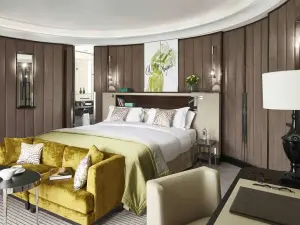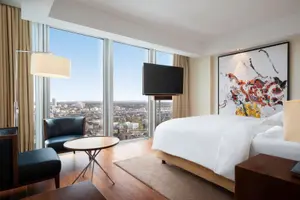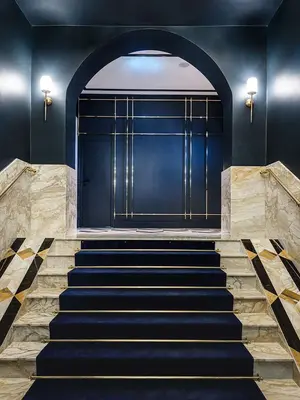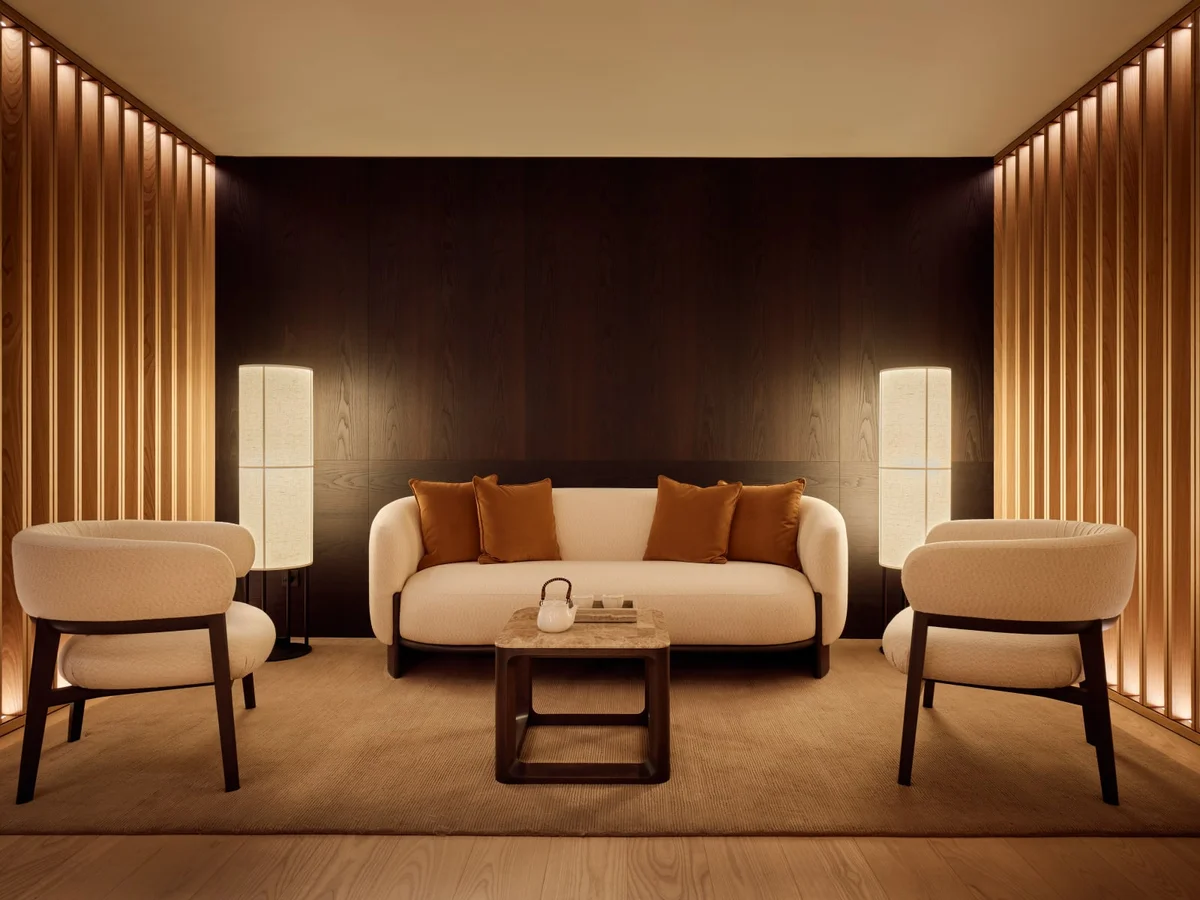
THE FLORENTIN by Althoff Collection
When you book THE FLORENTIN by Althoff Collection in Frankfurt, Germany, through our Fora Rates partnership, your stay includes breakfast and a 100€ hotel credit. You also receive a room upgrade and early check-in when available. No premium credit card or membership needed: request a quote and our advisor books it at the same rate as booking direct.
Exclusive Booking Perks
These perks are included with your stay at the same rate as booking direct with the hotel.
- Complimentary breakfast
- Room Upgrade on arrival (subject to availability)
- Early Check In on arrival (subject to availability)
- Late Check Out on arrival (subject to availability)
- 100€ hotel credit
Location
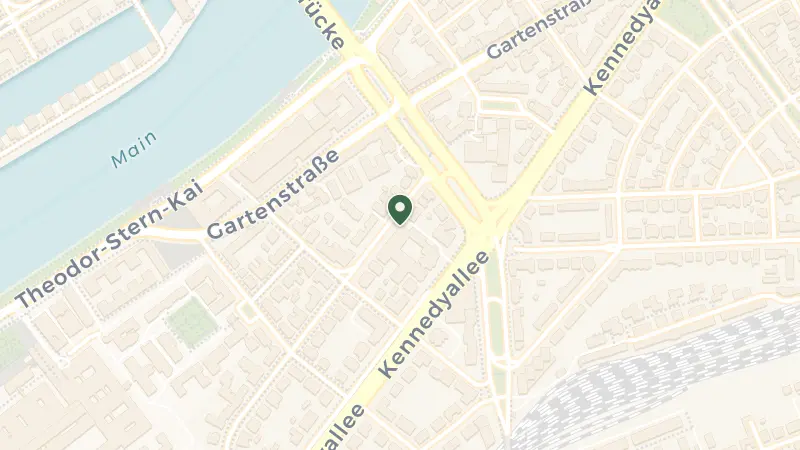
The Florentin arrives in Frankfurt as part of the Althoff Collection, a family-owned hotel group known for its independent spirit and refusal to follow the template. Each property reflects its location rather than a cookie-cutter brand identity, and this one lands in Sachsenhausen Nord, just across the Main from the banking towers that anchor Germany's financial capital. The neighbourhood sits on the south bank, a stretch that has long drawn artists, students, and locals to its tree-lined streets and traditional Ebbelwoi taverns serving Frankfurt's tart cider. The Museumsufer (museum embankment) runs along this side of the river, anchored by the Städel Museum, which opened in 1816 and holds one of the finest collections of European art in the country, from Old Masters to contemporary installations.
Frankfurt carries more than five centuries of sovereignty as a Free City of the Holy Roman Empire. This was the stage for imperial coronations, and the weight of that history settles over the Altstadt even as glass towers climb above the financial district. The city is culturally mixed, ethnically diverse, home to the European Central Bank and the fourth institutional seat of the European Union. Half the population has a migrant background, and the rhythm of the streets reflects that layered identity.
Frankfurt Main Airport sits eleven kilometres from the hotel, connected by frequent S-Bahn trains that deliver travelers to Sachsenhausen in under thirty minutes. The river bends here, and walking the embankment in either direction reveals the fault line between old Frankfurt and new.
On-site, the dune holds two Michelin stars for Niclas Nußbaumer's cosmopolitan tasting menus, built around international ingredients with the kind of precision Frankfurt's financial clientele expects. The dining room carries an urban energy, refined without formality. Book a table at RAUSCH, two and a half kilometres north, where Jochim Busch's modern, approachable cooking has earned two stars in a space that feels more neighbourhood restaurant than temple of gastronomy. Lafleur, nearly three kilometres northwest in the Palmenhaus beside the Palmengarten, offers Andreas Krolik's highly technical modern French cuisine, including braised Wagyu short ribs with truffle sauce and seasonal autumn truffle preparations.
The Städel Museum rewards a full morning with seven centuries of European painting, from Cranach altarpieces to Beckmann's Frankfurt years. The Liebieghaus sculpture collection, founded in 1909, stands nearby. For a less curated experience, the Frankfurter Flohmarkt Schaumainkai spreads along the riverbank every Saturday, where vintage porcelain and secondhand books fill trestle tables beneath plane trees. The Museumsufer clusters five institutions within a fifteen-minute walk, including the Museum der Weltkulturen and Museum Giersch.
Winter settles cold and grey over Frankfurt, with January highs barely clearing four degrees. The air bites along the riverbanks, and the city retreats indoors to museums and wine bars. Snow is occasional, slush more common, and the light stays low and pale through February.
Spring arrives slowly, tentative through March before breaking open in April when the Palmengarten blooms and café tables reappear along the embankment. May grows warmer, the trees along the Main thick with new leaves, and the city shakes off its winter reserve. June into August brings the most reliable warmth, with temperatures climbing into the low twenties, long evenings stretching past nine, and outdoor concerts filling the museum lawns.
Autumn is the best time to visit. September holds onto summer's warmth without the humidity, and October dresses the riverbanks in rust and gold before the chill returns. The light shifts lower, richer, ideal for wandering the Altstadt or the vineyards that fringe the Rhine-
Frequently Asked Questions

Quotes are personally reviewed by Natasha Hardy, founder of The Uncommon Traveller
5.0 rating · 8 Google reviewsThere is no fee or markup. The hotel pays our commission.
Request a Quote 4 Bib Gourmand