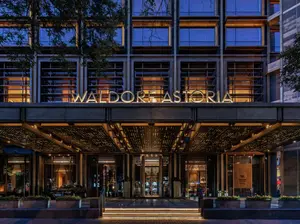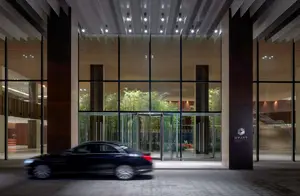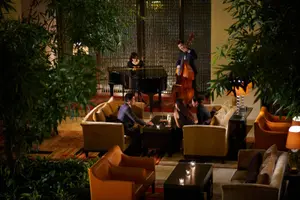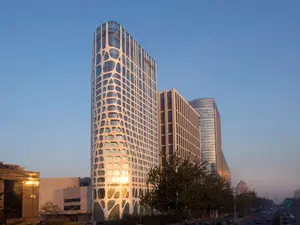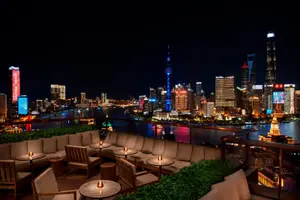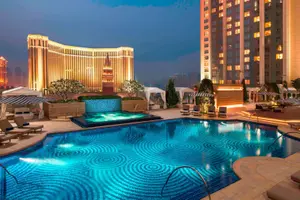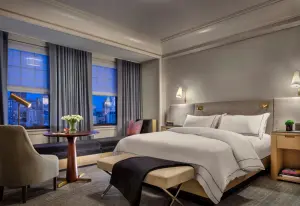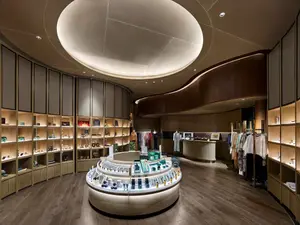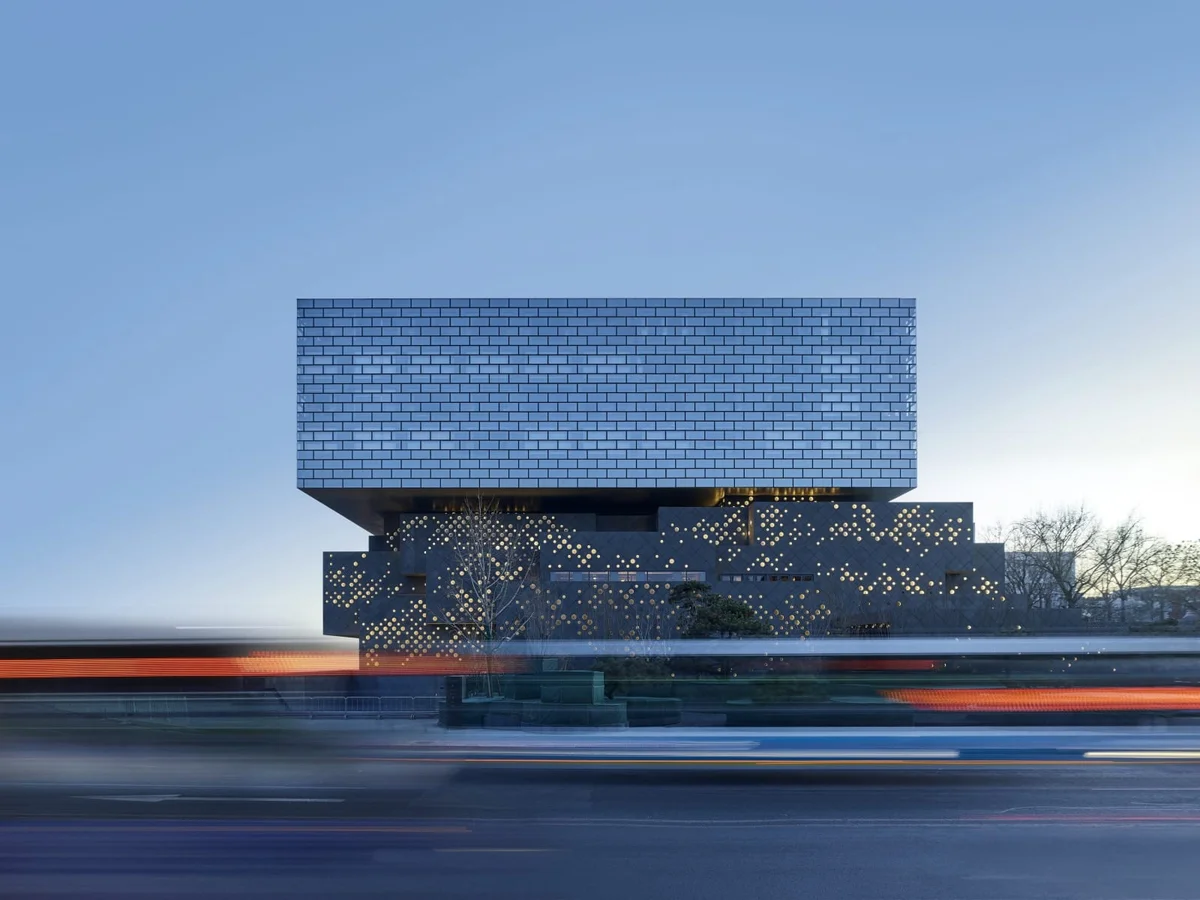
The PuXuan Hotel and Spa
When you book The PuXuan Hotel and Spa in Beijing, China, through our Fora Reserve partnership, your stay includes daily breakfast for up to two guests. You also receive a room upgrade, early check-in and late check-out when available. No premium credit card or membership needed: request a quote and our advisor books it at the same rate as booking direct.
Exclusive Booking Perks
These perks are included with your stay at the same rate as booking direct with the hotel.
- Upgrade at time of booking, subject to availability
- Daily breakfast for up to two guests per bedroom, served in Rive Gauche (already included in property rates)
- $100 USD equivalent in local currency credit for use towards Food and Beverage outlets or UR SPA treatment, to be utilized during stay (Not applicable towards SPA retail products, not combinable, not valid on room rate, no cash value if not redeemed in full)
- Complimentary bottle of Red Wine once during stay
- Fully stocked extended complimentary mini bar
- Early Check-In / Guarantee Late Check-Out at 14:00pm
Location
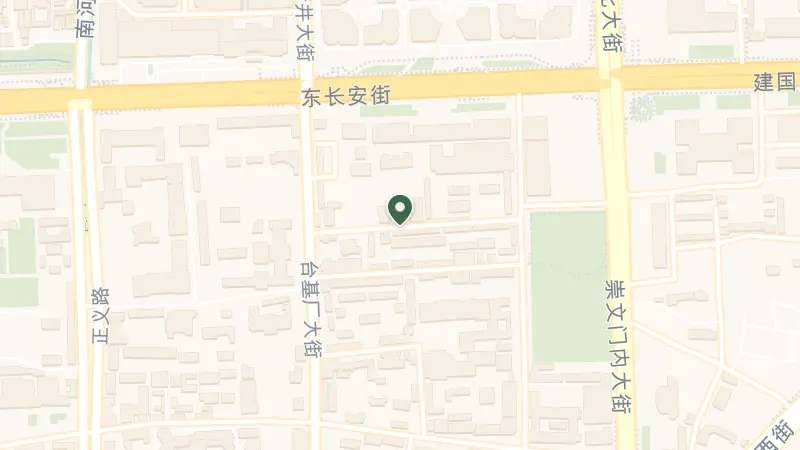
The property sits in Donghuamen Subdistrict, the ceremonial heart of Beijing where imperial history unfolds at every turn. Named for the East China Gate of the Forbidden City, this neighbourhood pulses with the capital's millennia-old authority. Within a kilometre rises the Beijing Central Axis, a UNESCO-inscribed ensemble of palaces, gardens, and sacrificial structures that defined the ideal order of imperial China for nearly six centuries. Walk east and Tiananmen Square opens like a stone sea, its vastness swallowing crowds and echoing with the weight of modern history.
The streets here smell of roasted chestnuts in winter, incense from temple courtyards, and the faint char of jianbing sizzling on griddles. Red walls glow in slanting afternoon light. Cyclists weave past gates whose carved lintels predate the Ming. The city's rhythm shifts block by block, from the hush of historic compounds to the jostle of markets selling persimmons, steamed buns, and silk scarves.
Beijing Capital International Airport lies twenty-five kilometres northeast, while Daxing International Airport sits forty-five kilometres south. Both connect to the city centre via rail and expressway. The neighbourhood itself rewards exploration on foot, every alley a thread in the capital's imperial tapestry.
Dining begins on-site at Rive Gauche, a Selected Restaurant where the Hong Kong-born chef layers Gallic technique with knowing Chinese touches: fermented tofu butter with bread, longjing tea panna cotta. The French contemporary menu channels Paris's Left Bank through a Beijing lens. Book a table at Chao Shang Chao in Chaoyang, four-point-seven kilometres east, where Chef Cheung holds three Michelin stars for reimagined Chaozhou classics refined by years in Hong Kong and Shanghai. The entrance hallway displays costly dried fish maws like jewels. Further northeast, Xin Rong Ji on Xinyuan South Road claims three stars for Taizhou cooking and East China Sea fish served in a modern Chinese dining room five-point-nine kilometres away.
The Temple of Heaven, seven kilometres south, preserves fifteenth-century sacrificial altars in gardens ringed by ancient pines. The Summer Palace, twenty-three kilometres northwest, spreads across Qing-dynasty lakeside grounds restored in 1886 after wartime destruction. The Fruit Market, under four kilometres away, offers persimmons and dates piled in woven baskets. Houhai's duck marina, five kilometres northwest, rents paddle boats for lazy circuits of willow-edged water.
Winter grips hard: January averages near freezing with dry, brittle air and high-blue skies that sharpen every roofline. Snow dusts courtyard stones but rarely lingers. The city exhales steam from dumpling shops, and the cold feels ancient, mineral, clarifying.
Spring arrives in March with dust storms from the Gobi, then softens into April's blossoming apricot trees and warming afternoons. Summer brings heavy rain, especially July's monsoon pulses, but also languid evenings when families crowd night markets for chuan'r and beer. The air thickens with humidity and cicada song.
Autumn reigns supreme: September through October delivers crystalline days, moderate warmth, and the russet glow of ginkgo leaves carpeting hutong lanes. This is Beijing's finest season, when the light itself seems touched with gold and the city's edges soften into haze.
Frequently Asked Questions

Quotes are personally reviewed by Natasha Hardy, founder of The Uncommon Traveller
5.0 rating · 8 Google reviewsThere is no fee or markup. The hotel pays our commission.
Request a Quote 26 Bib Gourmand