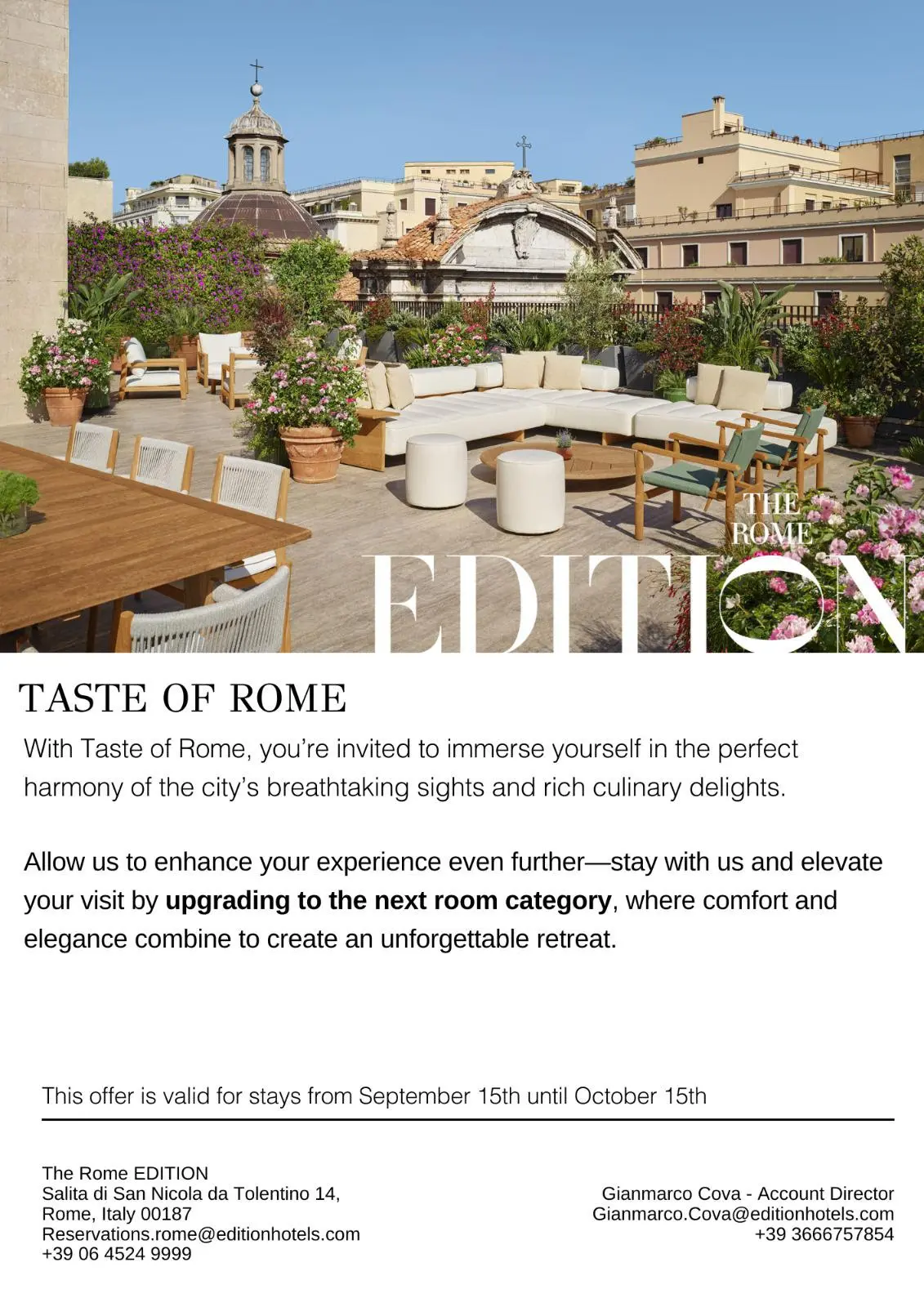
The Rome EDITION
When you book The Rome EDITION in Italy through our Virtuoso partnership, your stay includes daily full breakfast for up to two guests and a $100 USD food and beverage credit. You also receive a room upgrade when available. You continue earning Marriott Bonvoy points and elite night credits. No premium credit card or membership needed: request a quote and our advisor books it at the same rate as booking direct.
Exclusive Booking Perks
These perks are included with your stay at the same rate as booking direct with the hotel.
- Upgrade on arrival, subject to availability
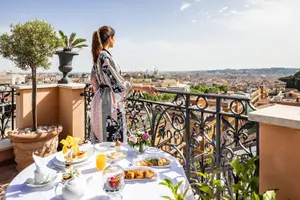
- Daily Full breakfast for up to two guests per bedroom, served in the restaurant and via in-room dining
- $100 USD equivalent Food & Beverage credit to be utilized during stay (not combinable, no cash value if not redeemed in full)
- Bookings in our Loft Suite or higher categories will receive an additional $100 Food & Beverage credit (for a total of $200 during stay)
- Stays of 4+ nights will receive an additional $100 Food & Beverage credit (for a total of $200 during stay, or $300 for Loft Suite and higher)
- Stays of 7+ nights will receive an additional $200 Food & Beverage credit (for a total of $300 during stay, or $400 for Loft Suite and higher)
- Early check-in / Late check-out, subject to availability
Location
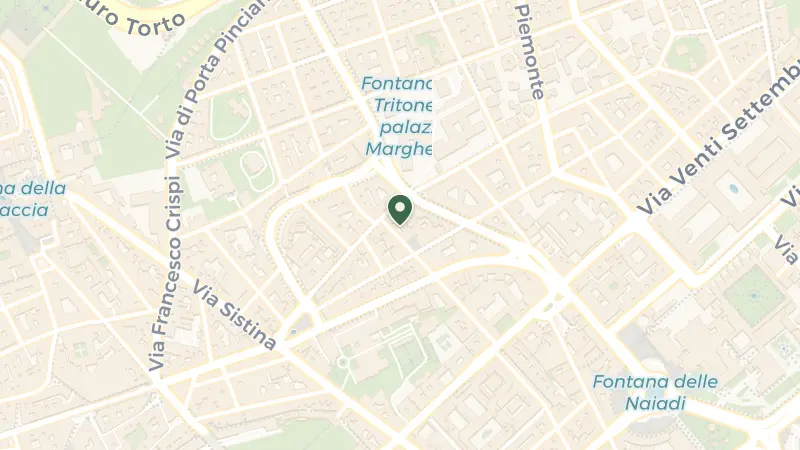
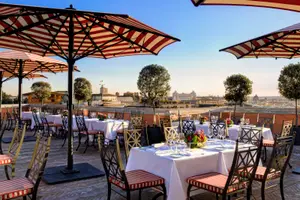
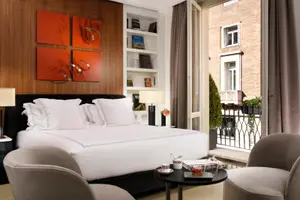
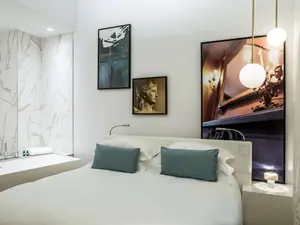
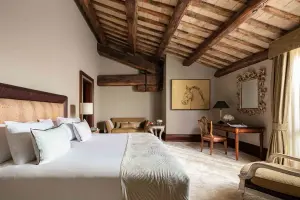
The Rome EDITION channels Ian Schrager's signature social energy into a city built on three millennia of human ambition. The lobby hums with the kind of design-forward scene that draws culturally engaged travelers, while the minimalist rooms offer a residential calm that lets the city's baroque excess speak for itself. This is a property for those who want their nightlife curated and their breakfast delivered with the same attention as a Michelin-starred tasting menu.
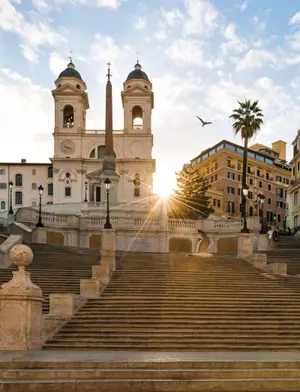
The hotel sits in Trevi, where Rome's historic centre unfolds in all directions like a stone theatre. The Trevi Fountain, that surging marble fantasy, lies within easy walking distance. So does the Pantheon, its coffered dome still the world's largest unreinforced concrete span after two thousand years. The streets here carry the particular weight of empire: travertine underfoot, ochre plaster overhead, the distant clatter of espresso cups against marble counters.
Rome was founded, mythology insists, in 753 BC, though settlements along the Tiber predate that legend by centuries. The city became the heart of an empire that shaped Western law, language, and architecture, then reinvented itself as the seat of Catholic power. Today it remains a palimpsest, each era inscribed over the last, visible in every crosswalk and fountain. Fiumicino airport lies 23 kilometres southwest, connected by train and taxi to the city's central districts.
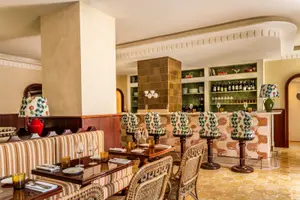
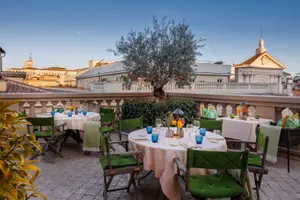
The EDITION's lobby operates as a social nerve centre, the kind of space where aperitivo stretches into dinner and dinner into nightlife. On-property dining reflects the brand's emphasis on curated concepts; expect menus that pull from Mediterranean traditions without being confined by them. Beyond the hotel, Rome's gastronomic landscape has deepened considerably. La Pergola, four kilometres north, holds three Michelin stars and recently reopened after careful refurbishment, its travertine surfaces and Roman red accents breathing with the city. ACQUOLINA, just over a kilometre away near Piazza del Popolo, earned two stars for its creative Mediterranean approach, served in a dining room that favors understated design and dynamic service. Book a table at Il Pagliaccio, 2.1 kilometres distant, where chef Anthony Genovese's two-starred kitchen erases boundaries with menus named Circus and Scintille, each a distinct itinerary through flavour.
Walk to the Ara Pacis, Augustus's marble altar to peace built in 8 BC, now housed in a glass pavilion along the Tiber. The Mercato di Monti, 1.2 kilometres east, fills weekend mornings with vintage finds and local craft. Antica Enoteca, less than a kilometre from the hotel, pours wines from across Lazio and beyond in a setting that has anchored the neighbourhood for decades.
Spring arrives with mild temperatures climbing into the high teens, the light turning golden over terracotta rooftops as wisteria spills from balconies. This is the season when Romans reclaim their outdoor tables and the city feels most itself.
Summer burns bright and dry, July pushing past 30°C with cobblestones radiating heat long after sunset. August empties the city as locals flee for the coast, leaving monuments to the tourists who brave the shimmering afternoons.
Autumn brings relief and rain, October especially, but also that slanting light that makes every ruin look painterly. Winter is gentle by northern standards, temperatures hovering around 11°C, the streets quiet enough to hear your footsteps echo off ancient walls. Visit between April and June or September through November for the ideal balance of weather and crowd density.
Frequently Asked Questions

Quotes are personally reviewed by Natasha Hardy, founder of The Uncommon Traveller
5.0 rating · 8 Google reviewsThere is no fee or markup. The hotel pays our commission.
Request a Quote 10 Bib Gourmand