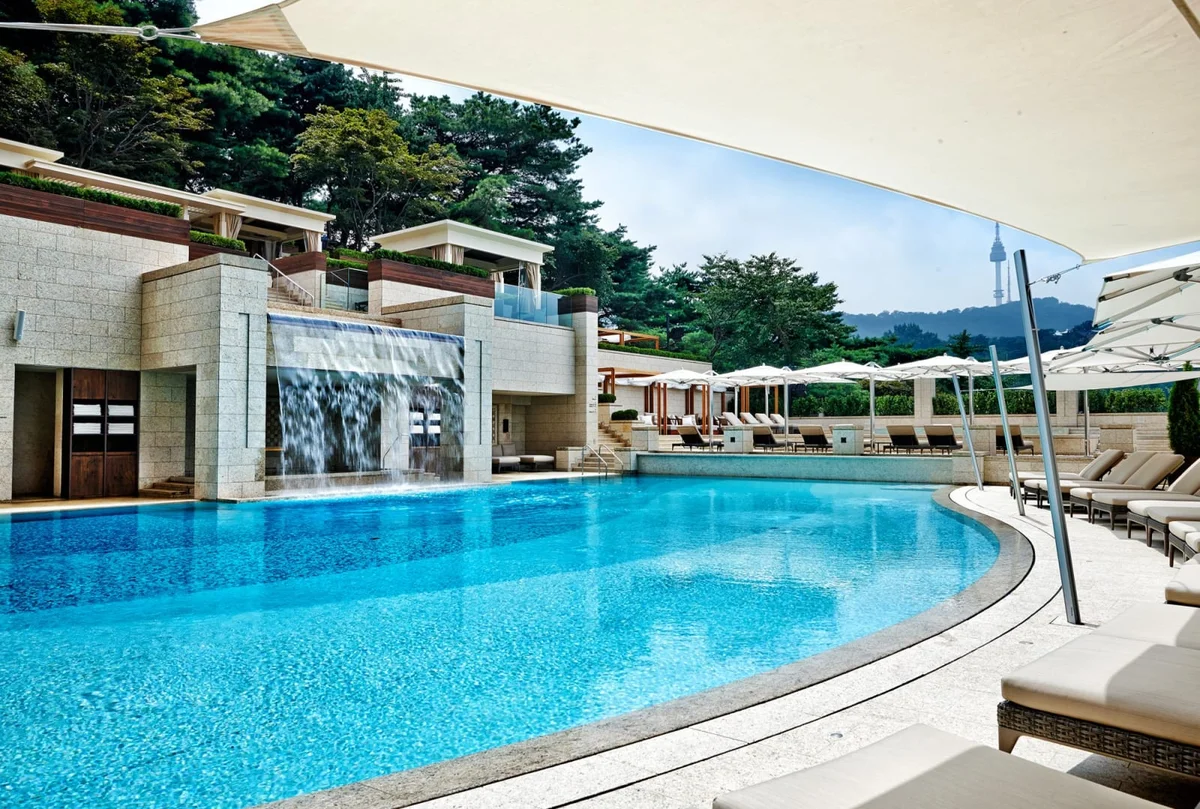
The Shilla Seoul
When you book The Shilla Seoul in South Korea through our Fora Rates partnership, your stay includes daily breakfast, a 100 USD property credit and a welcome amenity. You also receive a priority room upgrade and early check-in when available. No premium credit card or membership needed: request a quote and our advisor books it at the same rate as booking direct.
Exclusive Booking Perks
These perks are included with your stay at the same rate as booking direct with the hotel.
- Complimentary daily breakfast
- 100 USD Property credit
- Priority room upgrade (subject to availability)
- Early Check-in (subject to availability)
- Late Check-out (subject to availability)
- Welcome amenity / note
- Free Outdoor pool access (originally chargeable facility)
Location
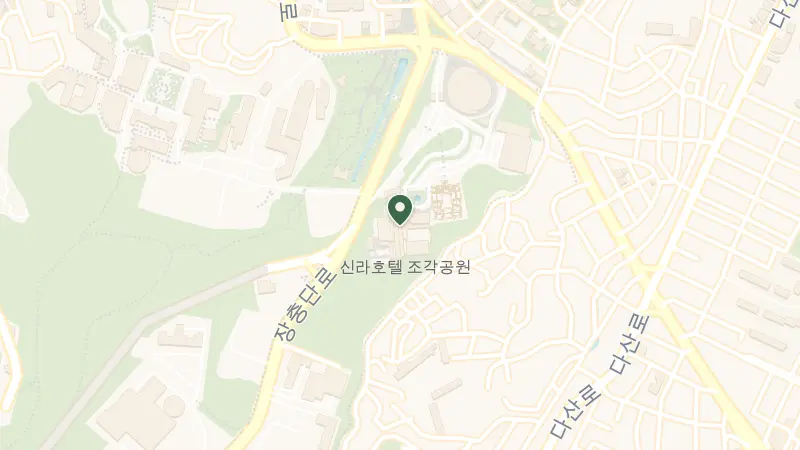
The Shilla Seoul rises from the forested slopes of Namsan Mountain, a property where presidential visits and diplomatic summits have shaped modern Korean history since its 1979 opening. The hotel occupies a rare position in Jangchung-dong, where manicured grounds meet the wild green of mountain trails, creating an unexpected buffer of quiet just minutes from the city's commercial pulse. The brand represents Korea's commitment to gracious hospitality rooted in Silla dynasty aesthetics, a lineage that threads through every service gesture and spatial arrangement.
Below the property, Jangchung-dong unfolds as a neighbourhood of contrasts. Traditional meat restaurants line streets where office workers gather after hours, the char of galbi rising into the evening air. Dongdaemun's textile markets and late-night shopping arcades sprawl less than two kilometres north, their neon hum a sharp counterpoint to the mountain's stillness. The district sits at the hinge between Jung's historic core and the relentless modernity spreading east.
Seoul itself rewards those who look beyond the obvious. This is a city that buried its central stream beneath concrete for decades, then tore up the highway to resurrect it as Cheonggyecheon, a ribbon of water and willows now flanked by pedestrians at all hours. Joseon palaces anchor the northern districts, their wooden halls and stone courtyards surviving war and occupation. Gimpo International Airport lies nineteen kilometres west, connected by airport railroad and expressway, while Incheon International serves long-haul arrivals fifty kilometres beyond.
La Yeon, the hotel's two-Michelin-starred restaurant on the twenty-third floor, commands attention not only for its panoramic reach but for its disciplined approach to Korean royal court cuisine. The kitchen interprets jang (fermented sauces), seasonal namul (wild greens), and intricate gujeolpan (nine-sectioned dish) with contemporary precision, each course a meditation on terroir and technique. Continental, which opened with the hotel and remains a cornerstone of French dining in Korea, layers seasonal local ingredients with classic technique, its legacy stretching across four decades of service. For a broader view of Seoul's culinary ambition, Mingles holds three Michelin stars nearly five kilometres south in Cheongdam-dong, where Chef Mingoo Kang bridges Korean and global flavours in a dining room of calm minimalism and green views.
Beyond the table, Jongmyo Shrine sits two kilometres northwest, its austere wooden halls housing the ancestral tablets of Joseon kings in Korea's oldest Confucian ritual space. Changdeokgung Palace, three kilometres north, offers a more intimate counterpoint to Gyeongbokgung's grandeur, its Secret Garden a labyrinth of pavilions and lotus ponds designed for royal contemplation. Book a morning slot for the garden tour; the light filters differently through the pines before noon. Dongdaemun's textile markets less than two kilometres away operate on a nocturnal schedule, vendors restocking until dawn, while Jungbu Market and Shinjungbu Market supply Jangchung-dong's kitchens with produce, banchan, and the day's catch.
Winter settles hard over Seoul, the air brittle and dry, temperatures often dipping well below freezing from December through February. The city empties into ski resorts and jjimjilbang, though the palaces wear their snow beautifully and crowds thin to nothing. Spring arrives abruptly in late March, cherry blossoms frothing along the Han River and palace walls, temperatures climbing rapidly through April into comfortable warmth.
Summer brings monsoon rains and thick humidity, July especially sodden, the city greening under near-daily downpours that send locals into underground shopping arcades and pojangmacha tents. By late August the worst has passed, though heat lingers. Autumn is Seoul's finest season, September through early November offering crystalline skies, moderate temperatures, and foliage that sets the mountains ablaze in crimson and gold.
Frequently Asked Questions

Quotes are personally reviewed by Natasha Hardy, founder of The Uncommon Traveller
5.0 rating · 8 Google reviewsThere is no fee or markup. The hotel pays our commission.
Request a Quote 51 Bib Gourmand