The Vintage Hotel & Spa - Lisbon
When you book The Vintage Hotel & Spa - Lisbon in Portugal through our withIN by SLH partnership, your stay includes daily continental breakfast for two and a hotel credit of $50-$100 USD per stay. You also receive a one-category room upgrade and early check-in when available. No premium credit card or membership needed: request a quote and our advisor books it at the same rate as booking direct.
Exclusive Booking Perks
These perks are included with your stay at the same rate as booking direct with the hotel.
- A credit worth $50-$100 (USD) per room, per stay to be spent only on extras such as F&B or Spa, only on property and during the stay
- Daily Continental breakfast for two people
- Room upgrade to next room category, subject to availability at the time of check-in
- Early check-in, subject to availability at the time of check-in
- Late check-out, subject to availability
Location
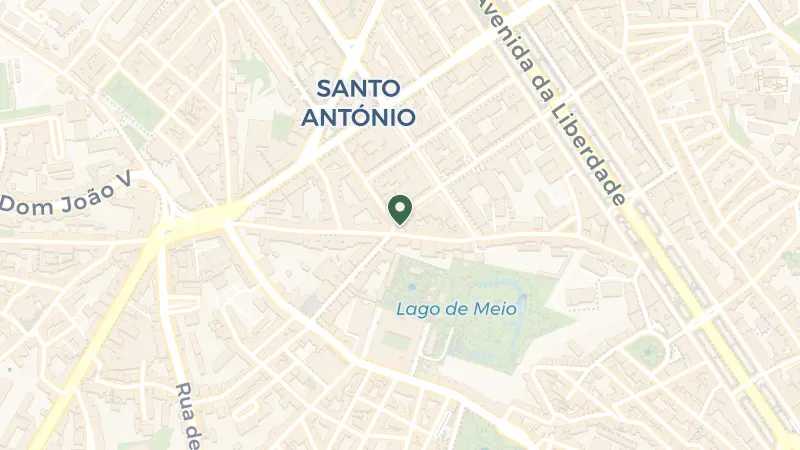
The Vintage Hotel & Spa sits in Santo António, where Lisbon's ancient hills rise above the River Tagus and the city's political and cultural heart beats strongest. This central parish stretches from the grand sweep of Avenida da Liberdade, Lisbon's tree-lined boulevard of luxury boutiques and Art Nouveau façades, to the bustling squares of Restauradores and Marquês de Pombal. The neighbourhood hums with the energy of a capital district: pastéis de nata perfume the air outside century-old pastelarias, trams clatter along cobbled inclines, and fado drifts from tascas hidden in narrow streets that twist down toward the Tagus.
Lisbon itself predates Rome, a city of Phoenician traders and Moorish scholars that became Portugal's capital in 1255. The light here is Atlantic-bright, bouncing off azulejo-tiled façades and the wide estuary that opens to the sea. This is mainland Europe's westernmost capital, where the Tagus meets the Atlantic and the city spills across seven hills, each crowned with miradouros offering views across terracotta rooftops to the water.
The property sits within walking distance of the Bairro Alto's cobbled lanes and the elegant Chiado quarter, where Lisbon's literati once gathered in Belle Époque cafés. Lisbon Humberto Delgado Airport lies seven kilometres northeast, a fifteen-minute drive through the city's broad avenues.
Two-Michelin-starred Henrique Sá Pessoa occupies the bucolic Páteo Bagatela less than a kilometre from the property, where Chef Sá Pessoa's flagship explores Portuguese traditions through creative reinterpretation. Book a table at Belcanto, 1.3 kilometres southwest in Chiado, where two Michelin stars illuminate José Avillez's vision of Portuguese cuisine in a refined dining room near the ruins of a convent shattered in the 1755 earthquake. Closer still, the Dona Ajuda market (300 metres) offers daily shopping among locals selecting fresh produce and bacalhau, while the Mercado da Ribeira, now Time Out Market, showcases Portugal's culinary breadth under one roof 1.5 kilometres south. The Monastery of the Hieronymites, six kilometres west in Belém, stands as Portugal's greatest Manueline monument, built with riches from the Age of Discovery alongside the Tower of Belém that guards the harbour mouth.
Beyond the city, the UNESCO-listed Cultural Landscape of Sintra rises 24 kilometres northwest, where Ferdinand II's Pena Palace crowns forested hills in a riot of Romantic colour. The wine shops along nearby Rua da Rosa introduce Portugal's regional wines, from Douro reds to Alentejo whites, while napoleão, one kilometre west, curates Portuguese spirits and fortified wines. Day trips reach the Royal Building of Mafra, 29 kilometres northwest, where João V's vast 18th-century palace-convent sprawls across the landscape in Baroque grandeur.
Summer stretches golden from June through September, when the Atlantic cools the city and temperatures hover between 23 and 27 degrees. The light turns crystalline, cafés spill onto calçada pavements, and the Tagus glitters under unbroken blue. July and August bring virtually no rain, though nights remain comfortable enough for rooftop dining.
Spring and autumn frame the year with mild days perfect for walking the hills, when cherry blossoms dust the Jardim da Estrela and chestnut vendors appear on corners. October through May sees occasional rain showers that wash the azulejos clean and deepen the city's colours, though temperatures rarely dip below nine degrees even in January.
Winter brings a soft Atlantic light that photographers prize, the kind that turns limestone façades honey-gold in late afternoon. The city empties of crowds, revealing its quieter rhythms: morning fish markets, neighbourhood cafés steaming with bica, the melancholy beauty of rain on the Tagus.
Frequently Asked Questions

Quotes are personally reviewed by Natasha Hardy, founder of The Uncommon Traveller
5.0 rating · 8 Google reviewsThere is no fee or markup. The hotel pays our commission.
Request a Quote 7 Bib Gourmand