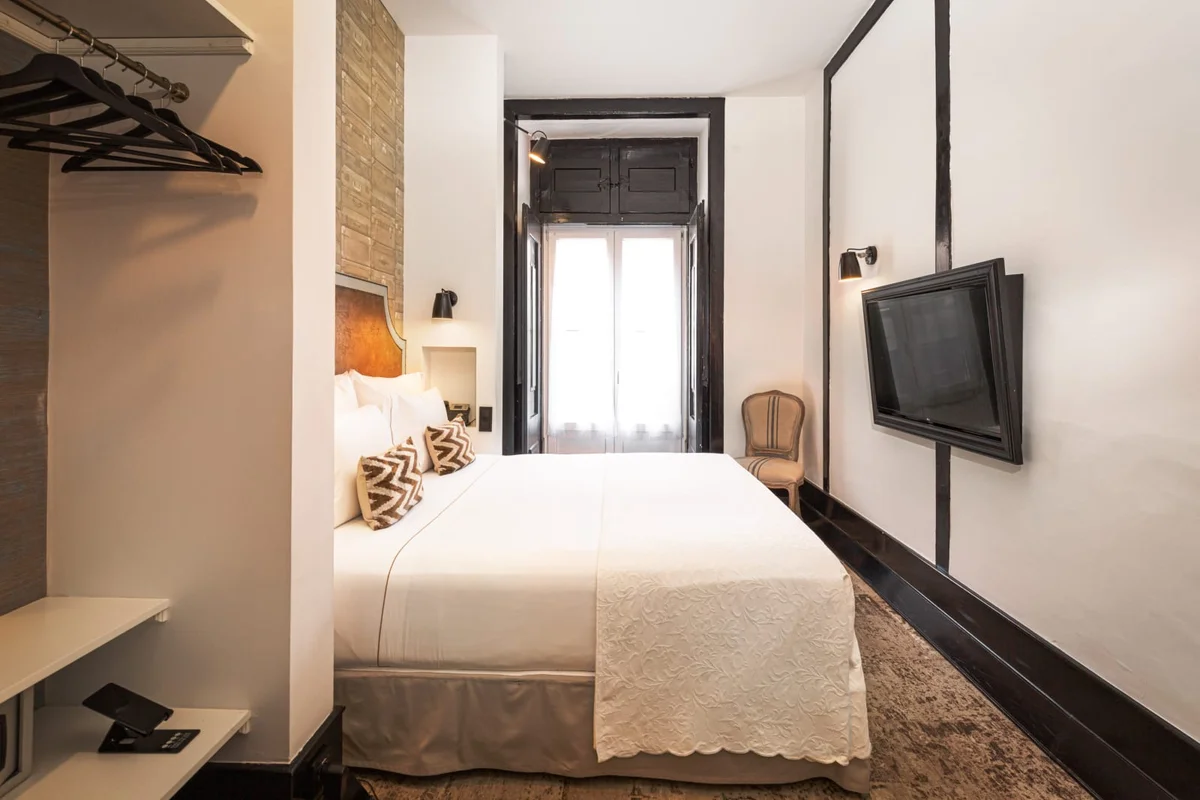
AlmaLusa Baixa & Chiado
When you book AlmaLusa Baixa & Chiado in Lisbon, Portugal, through our Tablet Plus partnership, your stay includes daily breakfast for up to two guests. You also receive a one-category room upgrade and late check-out when available. No premium credit card or membership needed: request a quote and our advisor books it at the same rate as booking direct.
Exclusive Booking Perks
These perks are included with your stay at the same rate as booking direct with the hotel.
- Upgrade to next room category, based upon availability at check-in
- Guaranteed 2pm late check-out
- Complimentary daily breakfast (max 2 guests)
- AlmaLusa Teddy Bear and chocolate cake delivered to your room on arrival
- Stay 5 or more nights and receive complimentary transfers from and to the Lisbon Airport
- Please note: For the Top Floor Two-Bedroom Apartment, late check-out is provided based on availability.
Location
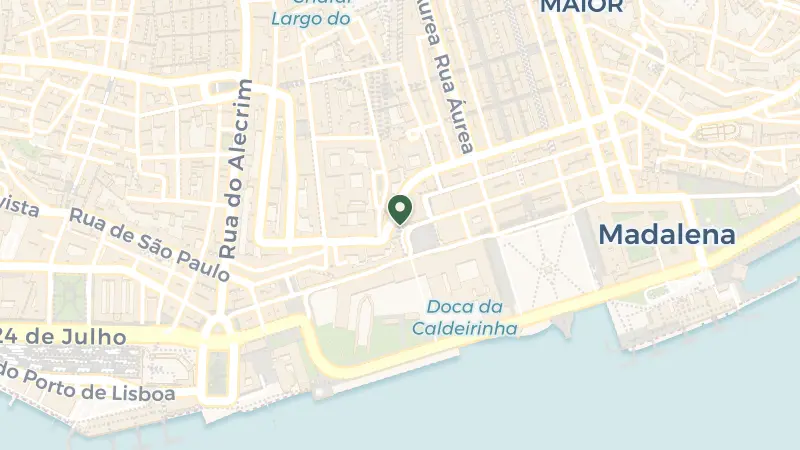
AlmaLusa Baixa & Chiado occupies one of Lisbon's most storied crossroads, where the gridded Pombaline streets of the Baixa district meet the steep, literary quarter of Chiado. This is the heart of the city's Phoenician origins and Moorish past, rebuilt after the catastrophic 1755 earthquake into the rational, wide-avennued capital you see today. Step outside and the air smells of salt carried upriver from the Atlantic, of roasted chestnuts in autumn, of salt cod drying in shop windows.
The neighbourhood hums with trams rattling over cobblestones, the clatter of café chairs on miradouros, the call of street vendors near Praça do Comércio. Within a few hundred metres stand the Rossio's undulating mosaic pavements, the cathedral's fortress-like Romanesque walls, and the riverfront arcades where ships once unloaded spices from the Indies.
This is mainland Europe's westernmost capital, perched on the northern bank of the Tagus, its golden light a perpetual draw for painters and exiles. Lisbon Humberto Delgado Airport lies eight kilometres northeast, connected by metro and taxi in under thirty minutes.
Within 300 metres, Belcanto holds two Michelin stars in a corner building near the earthquake-damaged convent ruins of Bairro Alto. Chef José Avillez's creative tasting menus reinterpret Portuguese tradition with surgical precision. Book weeks ahead. Henrique Sá Pessoa, another two-star, sits 2.2 kilometres north in the leafy passage of Páteo Bagatela, where the chef's flagship explores contemporary Portuguese flavours between Jardim das Amoreiras and Parque Eduardo VII. The Mercado da Ribeira, a five-minute walk south at 500 metres, pulses with vendors selling produce, seafood still glistening, pastéis de nata warm from the oven. Time Out Market fills half the hall with curated food stalls.
Walk 400 metres east to Lisbon Cathedral's fortress-like façade, built in 1147 after the Christian reconquest. The Chiado Museum, established in 1911, displays Portuguese art from romanticism to modernism just uphill. Cross the river by ferry (locals do) to watch the city's tile-fronted buildings catch late afternoon light. For wine immersion, Wine Lover Bairro Alto pours flights of Douro reds and Alentejo whites 500 metres west. Don't miss the azulejo panels throughout Santa Maria Maior's streets, blue-and-white storytelling in ceramic.
Summer arrives bone-dry and brilliant, July and August pushing past twenty-five degrees with almost no rain, the Tagus glittering hard in the afternoon glare. The city empties toward the beaches of Cascais and Caparica; mornings are the time to walk. Spring and autumn bring the kindest weather, temperatures hovering between fifteen and twenty degrees, light slanting golden across the hills, occasional showers greening the city's tile facades.
Winter is mild and moody, highs rarely dropping below fourteen degrees, but November through February see frequent rain turning the limestone pavements slick and reflective.
The best months are May, June, September, and October, when the air stays warm into evening and the city's outdoor life unfolds without the crush of high summer.
Frequently Asked Questions

Quotes are personally reviewed by Natasha Hardy, founder of The Uncommon Traveller
5.0 rating · 8 Google reviewsThere is no fee or markup. The hotel pays our commission.
Request a Quote 7 Bib Gourmand