Corpo Santo Lisbon Historical Hotel
When you book Corpo Santo Lisbon Historical Hotel in Portugal through our Tablet Plus partnership, your stay includes a 50 EUR food and beverage credit per stay and a welcome treat. You also receive a one-category room upgrade when available. No premium credit card or membership needed: request a quote and our advisor books it at the same rate as booking direct.
Exclusive Booking Perks
These perks are included with your stay at the same rate as booking direct with the hotel.
- Upgrade to next room category, based upon availability at check-in
- Complimentary welcome drink per guest, per stay
- Welcome treat in room on arrival
- 50 EUR food and beverage credit per room, per stay
Guest feedback
9.8/10 from 2,645 guest reviews
By category
Guests liked
- Outstanding service
- Fantastic location
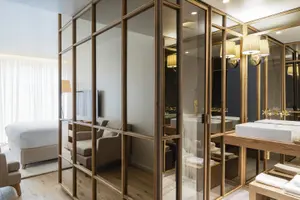
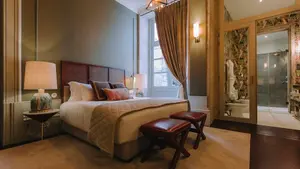
- Comfortable and spacious rooms
Points to consider
- Limited breakfast options after several days
Location
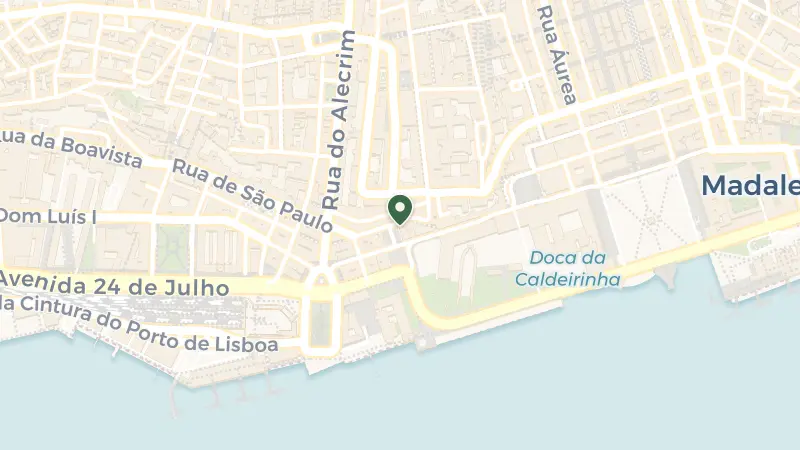
The property sits in Santa Maria Maior, Lisbon's historic core where the past lives in cobblestone and azulejo tile. This is the Baixa, the geometric grid that rose from the rubble of the 1755 earthquake, and the tangle of medieval Alfama climbing eastward. Walk five minutes to Praça do Comércio, the grand waterfront square where the Tagus opens wide and bright, or wander west into Cais do Sodré, where fishmongers' stalls give way to vintage wine bars.
Lisbon is Europe's second-oldest capital after Athens, layered with Phoenician roots, Moorish occupation, and the Age of Discovery's imperial ambition. The city's seven hills reward climbers with sudden views of terracotta rooftops and river light. Tram 28 rattles past, carrying tourists and locals alike through neighbourhoods that shift from Manuelino monuments to graffitied Bairro Alto in minutes.
The Rossio and Lisbon Cathedral anchor the parish. Mercado da Ribeira, a three-minute walk, hums with vendors and modern food stalls under its iron-and-glass canopy. Lisbon Humberto Delgado Airport lies eight kilometres northeast, a quick taxi or metro ride into the city centre.
Belcanto, three hundred metres west in Chiado, holds two Michelin stars for chef José Avillez's inventive Portuguese cuisine served in a former convent space scarred by the 1755 quake. Book a table for tasting menus that rework bacalhau and barnacles into something both familiar and startling. Henrique Sá Pessoa, the chef's two-star flagship, sits 2.2 kilometres north in Páteo Bagatela, where creative plates unfold in a garden-adjacent setting. Closer still, Mercado da Ribeira offers everything from percebes to pastéis de nata under one roof.
The Monastery of the Hieronymites and Tower of Belém, seven kilometres west along the river, exemplify Manueline splendour, their intricate stonework commemorating Portugal's maritime empire. Start with the cloisters, then walk to the tower that once guarded Lisbon's harbour. The Santa Maria Maior parish itself holds the Sé cathedral, a Romanesque fortress-church begun after the Christian reconquest in 1147, and the Mouraria market, 1.2 kilometres north, where spice vendors and African grocers crowd narrow lanes.
Summer stretches from June through September, when the Tagus glitters under unbroken sun and temperatures climb past 25 degrees. July and August bring heat that empties the city by mid-afternoon, driving locals to river beaches and tourists to shaded cafés. The light turns golden and low.
Autumn and spring offer the best conditions: mild days around 17 to 20 degrees, occasional rain, and fewer crowds. May blooms with jacaranda; October softens the city's edges with cooler evenings.
Winter remains temperate, rarely dipping below nine degrees, though rain arrives steadily from November through February. The streets gleam wet, and the hills grow slippery with moss.
Frequently Asked Questions

Quotes are personally reviewed by Natasha Hardy, founder of The Uncommon Traveller
5.0 rating · 8 Google reviewsThere is no fee or markup. The hotel pays our commission.
Request a Quote 7 Bib Gourmand