Martinhal Lisbon Chiado
When you book Martinhal Lisbon Chiado in Portugal through our Tablet Plus partnership, your stay includes a 20 EUR hotel credit per day. You also receive a one-category room upgrade when available. No premium credit card or membership needed: request a quote and our advisor books it at the same rate as booking direct.
Exclusive Booking Perks
These perks are included with your stay at the same rate as booking direct with the hotel.
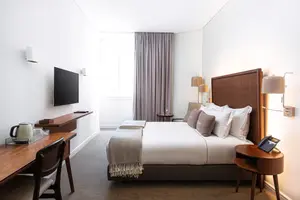
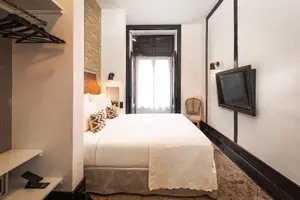
- Upgrade to next room category, based upon availability at check-in
- Complimentary bottle of wine in room on arrival
- Complimentary plate of custard tarts in room on arrival
- 20 EUR hotel credit per room, per day (valid towards incidentals)
Guest feedback
9.3/10 from 249 guest reviews
By category
Guests liked
- Great location
- Friendly staff
- Kids friendly
Points to consider
- Basic breakfast options
- Bathrooms in poor condition
- Value for money concerns
Location
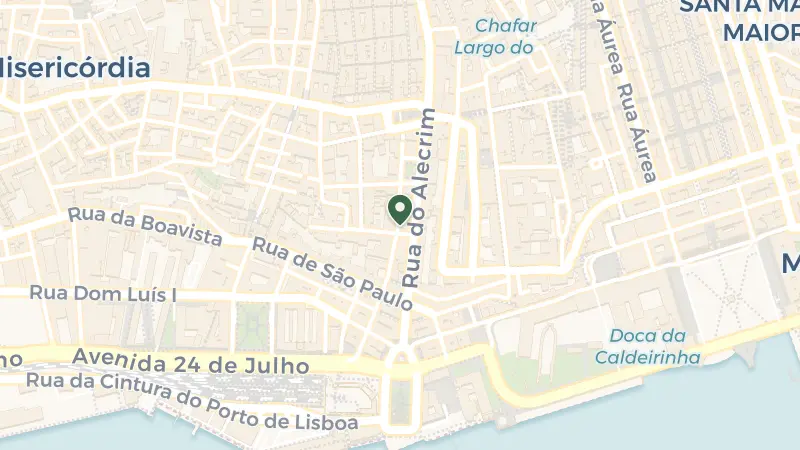
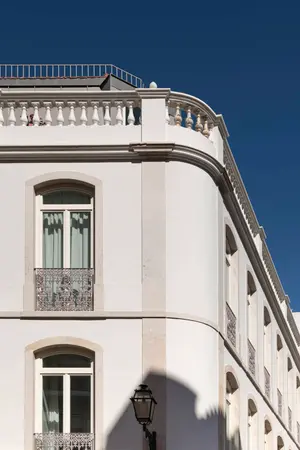
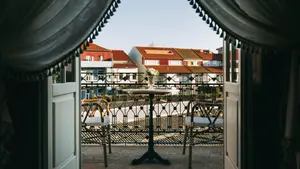
Martinhal anchors itself in family-friendly luxury with a sensibility that prizes thoughtful design and genuine service over stuffy formality. The Chiado property brings that ethos to one of Lisbon's most storied neighbourhoods, where cobbled streets climb steep gradients and azulejo-fronted buildings frame views of the Tagus River below. This is the intellectual heart of the city, a district shaped by poets, printers, and cafés where Fernando Pessoa once lingered over bica and newspapers. The earthquake of 1755 flattened much of Lisbon, but Chiado rebuilt itself with characteristic resilience, weaving neoclassical arcades and wrought-iron balconies into its new bones.
Walk west and you hit Bairro Alto, where fado houses exhale melancholy and grilled sardines sizzle on corner grills after dark. Head east toward the Baixa and the streets flatten into Pombaline symmetry, grand plazas opening onto the riverfront. The neighbourhood hums with trams clanging along narrow lanes, the scent of pastel de nata drifting from pastelarias, and the soft chatter of locals debating politics over coffee.
Lisbon Humberto Delgado Airport sits eight kilometres northeast, a quick taxi ride or metro connection into the city centre. The westernmost capital on the European mainland has held its position at the mouth of the Tagus for millennia, its identity forged by Phoenicians, Moors, and the Age of Discovery.
The dining landscape within walking distance rivals any European capital for sheer density of achievement. Book a table at Belcanto, three hundred metres away in a corner building near the ruins of a convent toppled by the great earthquake, where José Avillez holds two Michelin stars for creative Portuguese cuisine that reinterprets tradition with precision. The market culture here remains vital: Mercado da Ribeira, three hundred metres south, houses the Time Out Market where chefs operate stalls alongside fishmongers and flower vendors. For wine, the tasting room at Wine Lover Bairro Alto offers deep pours from the Douro and Alentejo.
Beyond the table, the neighbourhood rewards aimless wandering. The Monastery of the Hieronymites and Tower of Belém, both UNESCO-inscribed monuments from the Manueline flowering of the early 16th century, stand seven kilometres west along the river. Closer still, the slopes of Príncipe Real hide antiquarian bookshops and linen merchants unchanged for decades. When the city heat presses, beaches begin eight kilometres west at Praia do Dafundo, where the Atlantic tempers the Iberian sun.
Summer in Lisbon stretches golden and dry from June through September, with temperatures climbing past 25 degrees and the city's white limestone facades glowing in the long afternoon light. The Tagus reflects a bleached blue sky, and evening breezes off the Atlantic make terrace dining possible well into the night. Rain is scarce, the air carries a faint saline tang, and locals abandon the centre for coastal escapes.
Autumn brings the first rains in October, softening the light and filling the gutters with runoff from the hills. The tourist crowds thin, and the city returns to its own rhythms. Spring arrives gently, with jacarandas blooming purple in April and May, and temperatures mild enough for unhurried walks through the Alfama's tangled alleys.
Winter remains temperate by northern European standards, hovering around 14 degrees, though rain arrives in earnest from November through February. The low sun casts long shadows across the plazas, and the cafés fill with locals seeking warmth and strong coffee.
Frequently Asked Questions

Quotes are personally reviewed by Natasha Hardy, founder of The Uncommon Traveller
5.0 rating · 8 Google reviewsThere is no fee or markup. The hotel pays our commission.
Request a Quote 7 Bib Gourmand