Tarabel Lisbon
When you book Tarabel Lisbon in Portugal through our Tablet Plus partnership, your stay includes a welcome treat. You also receive a one-category room upgrade when available. No premium credit card or membership needed: request a quote and our advisor books it at the same rate as booking direct.
Exclusive Booking Perks
These perks are included with your stay at the same rate as booking direct with the hotel.
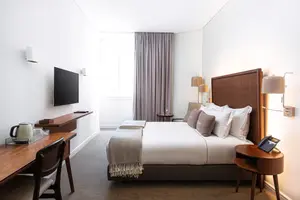
- Upgrade to next room category, based upon availability at check-in
- 90 EUR hotel credit per room, per stay (2 night minimum, valid towards incidentals)
- Complimentary welcome drink per guest, per stay
- Welcome treat in room on arrival
Location
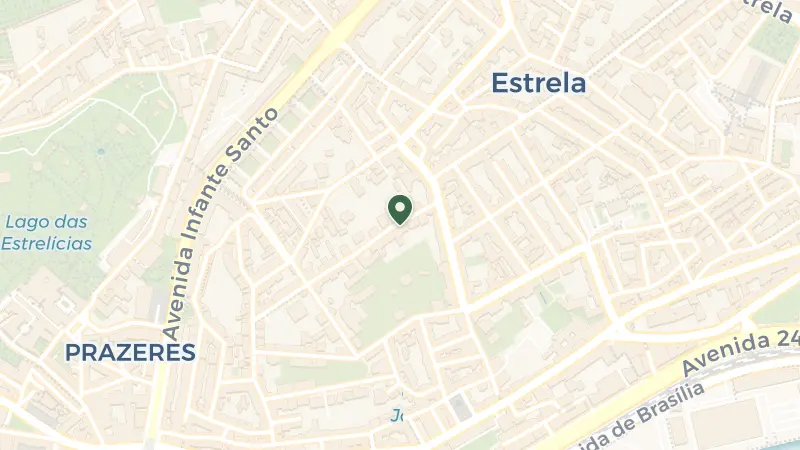
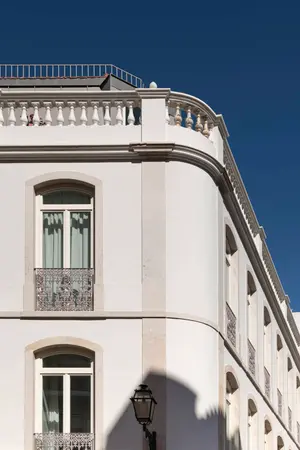
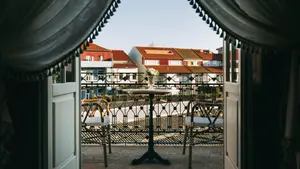
Tarabel Lisbon occupies Lapa, one of the city's most composed residential quarters, where diplomatic mansions and jacaranda-lined streets slope gently toward the Tagus. This is old-money Lisbon, a parish of wrought-iron balconies and azulejo-fronted townhouses that has quietly resisted the tourist churn elsewhere in the capital. The neighbourhood hums with a residential rhythm: elderly couples taking their morning passeio, corner tascas frequented by locals, the occasional black sedan idling outside an embassy gate. Walk five minutes south and you reach the river promenade; head east and the grandeur of Estrela's basilica dome rises into view.
Lisbon itself is mainland Europe's westernmost capital, a city founded by Phoenicians and shaped by successive waves of Roman municipia, Moorish caliphates, and the Age of Discovery. It remains Portugal's political and cultural engine, though Lapa's genteel remove feels a world apart from the tram-rattled lanes of Alfama or the nightlife of Bairro Alto.
Lisbon Humberto Delgado Airport sits eight kilometres northeast, reachable by metro or taxi in under twenty minutes.
Mercado D'Santos, half a kilometre away, is the neighbourhood's daily gathering point: vendors call out the morning's catch, and counters serve espresso beside towers of pastéis de nata. For serious dining, head less than two kilometres east to Henrique Sá Pessoa, where the chef's two Michelin stars illuminate inventive Portuguese tasting menus in the bucolic Páteo Bagatela. Belcanto, also two stars, occupies a corner in Chiado near the ruins of the 1755 earthquake, José Avellez's kitchen turning local ingredients into elaborately plated processions. Book a table at either well ahead.
The Monastery of the Hieronymites, five kilometres west in Belém, stands as Portugal's finest Manueline monument, its cloisters carved with maritime motifs commissioned in 1502. The adjacent Tower of Belém guards the harbour mouth where caravels once departed for the Indies. Mercado da Ribeira, a kilometre and a half east, houses the Time Out food hall, though the older vendors on the periphery still sell bacalhau and blood oranges. Walk the riverfront at dusk when the light turns the Tagus amber.
Summer in Lisbon means golden light that lasts past nine in the evening, temperatures climbing into the mid-twenties, and streets emptied of locals who decamp to the coast. July and August see almost no rain; the city bakes quietly, shutters drawn against the afternoon glare. Spring and autumn are gentler, highs in the upper teens, and the jacarandas bloom violet in May.
October brings the first serious rains after months of drought, and the cafés fill again with Lisboetas nursing bicas. Winter is mild by northern European standards, rarely dipping below ten degrees, though December and January are wet and the Tagus wind cuts through the hills.
Late April through June offers the best balance: warm days, low crowds, and the city's gardens in full flower.
Frequently Asked Questions

Quotes are personally reviewed by Natasha Hardy, founder of The Uncommon Traveller
5.0 rating · 8 Google reviewsThere is no fee or markup. The hotel pays our commission.
Request a Quote 7 Bib Gourmand