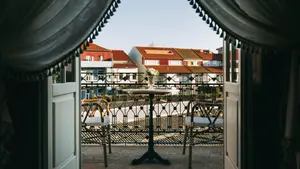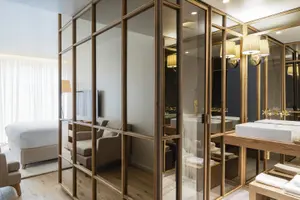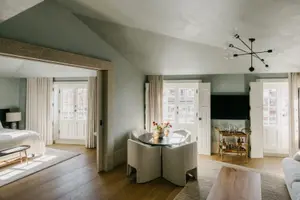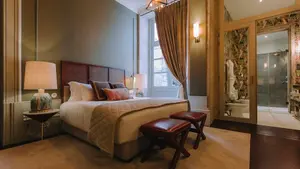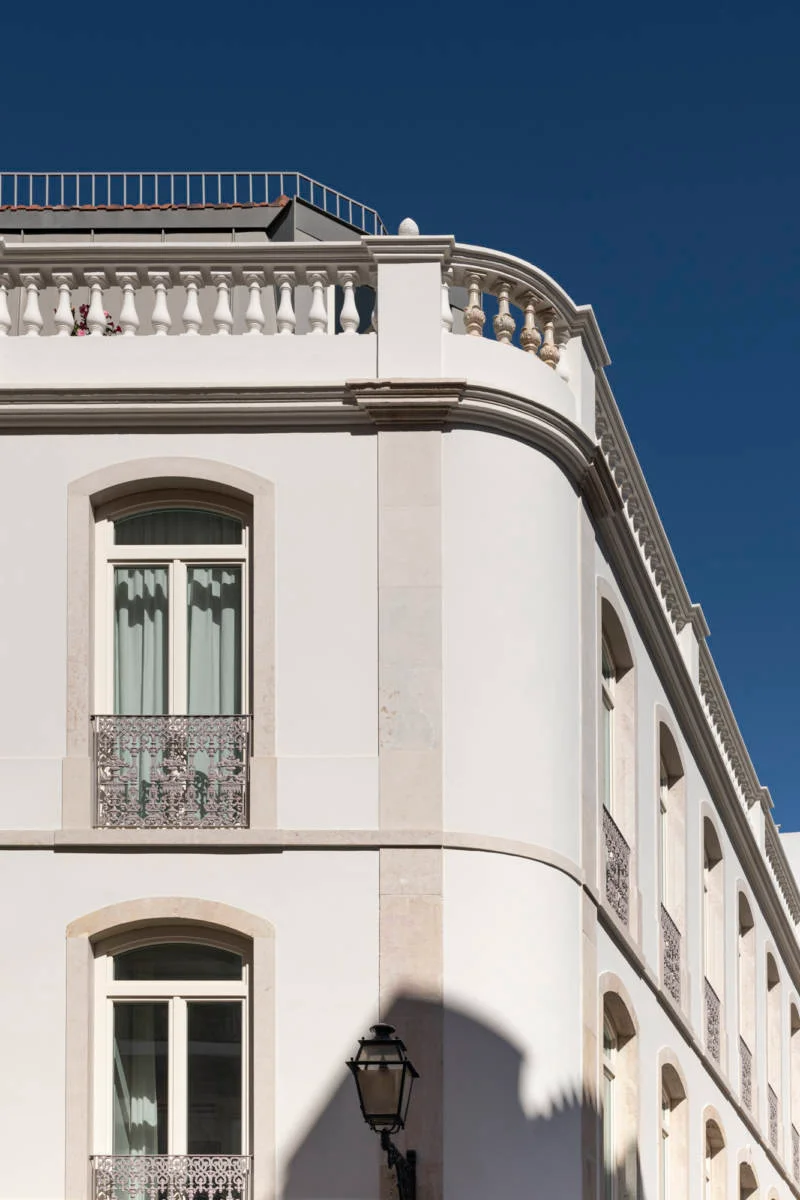
Montecarmo 12 - Design Boutique Hotel
When you book Montecarmo 12 - Design Boutique Hotel in Lisbon, Portugal, through our Tablet Plus partnership, your stay includes a 20 EUR hotel credit per day and a welcome treat. You also receive a one-category room upgrade when available. No premium credit card or membership needed: request a quote and our advisor books it at the same rate as booking direct.
Exclusive Booking Perks
These perks are included with your stay at the same rate as booking direct with the hotel.
- Upgrade to next room category, based upon availability at check-in
- Complimentary bottle of wine in room on arrival
- Welcome treat in room on arrival
- 20 EUR minibar credit per room, per day
Location
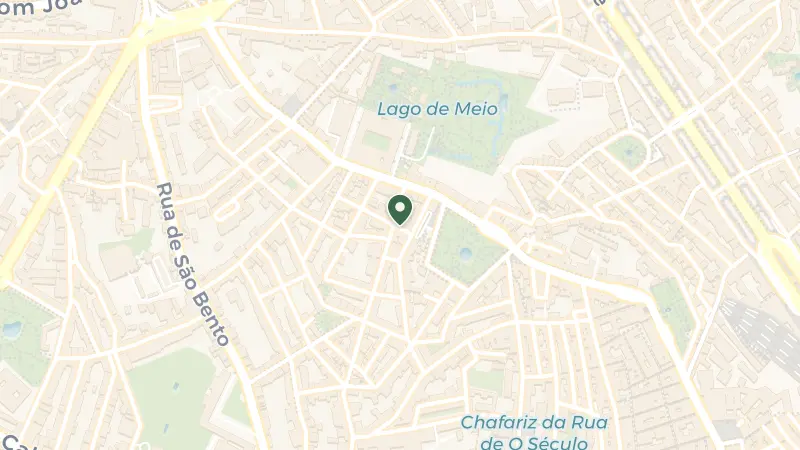
Santo António places you in the heart of Lisbon's most polished quarter, where Avenida da Liberdade's parade of boutiques and grand cafés gives way to the quieter residential streets of São Mamede. The neighbourhood hums with a particular Lisbon energy: the rattle of trams on stone, the scent of grilled sardines drifting from tascas tucked into alleyways, the geometric precision of calçada portuguesa underfoot. This is the city's commercial and cultural nerve centre, yet it retains an intimacy that the lower tourist districts have long surrendered.
Marquês de Pombal Square anchors the northern edge, a monumental roundabout where the ordered grid of the Pombaline Baixa dissolves into the broader avenues of 20th-century expansion. Walk south and you cross centuries: Restauradores Square marks the gateway to the historic core, while Príncipe Real's garden squares and antique shops cluster to the west. The National Museum of Natural History and Science, with its taxidermy halls and botanical collections, occupies a former polytechnic building a few minutes on foot.
Lisbon itself is one of Europe's most ancient capitals, predating Rome's fall and carrying the architectural fingerprints of Phoenicians, Visigoths, and Moors before Afonso Henriques claimed it for Portugal in 1147. It sprawls across seven hills along the Tagus estuary, where Atlantic light turns the river to hammered silver by late afternoon. Lisbon Humberto Delgado Airport lies seven kilometres northeast, a 20-minute drive through the city's eastern quarters.
The dining here rewards ambition. Henrique Sá Pessoa, less than a kilometre away in the bucolic Páteo Bagatela, holds two Michelin stars for creative Portuguese cooking that bridges tradition and invention. Book a table and expect dishes that reimagine bacalhau and arroz de pato with precision and wit. Belcanto, also two-starred, occupies a corner in nearby Chiado, where chef José Avillez transforms Portuguese soul food into something cerebral and deeply rooted at once. The menu shifts with the seasons, but the thread remains: this is Portugal filtered through a modernist lens.
Beyond the starred kitchens, the rhythm of the neighbourhood reveals itself in smaller gestures. The Mercado da Ribeira, just over a kilometre south, anchors Lisbon's food scene with market stalls and TimeOut's curated food hall under one iron-and-glass roof. Walk ten minutes west and you'll find the wine bars of Bairro Alto, where tascas pour vinho verde and Douro reds until the early hours. Don't miss the Medeiros e Almeida House-Museum, a private palace turned collection of decorative arts, clocks, and Chinese porcelain that few visitors stumble upon.
July and August bring the city's hottest stretch, temperatures climbing past 25°C under a relentless blue sky that bleaches the limestone façades to near-white. The Tagus flattens to a mirror, and locals abandon the centre for Atlantic beaches. Evenings stretch long, the air finally cooling after midnight as restaurant tables spill onto cobbled squares.
Spring arrives early, March temperatures already mild enough for terrace sitting, though brief showers keep the hills green through April. May is Lisbon's sweetest month, warm without the summer crush, jacaranda trees blooming violet across the city's parks. June dries quickly, the Atlantic wind picking up as summer begins in earnest.
November through February turns grey and damp, rain sweeping in from the ocean and pooling in Baixa's gutters. Temperatures rarely drop below 9°C, but the stone buildings hold the cold. Winter light slants low across the Tagus, gilding the terracotta rooftops. Crowds thin, and the city belongs to those willing to duck between downpours.
Frequently Asked Questions

Quotes are personally reviewed by Natasha Hardy, founder of The Uncommon Traveller
5.0 rating · 8 Google reviewsThere is no fee or markup. The hotel pays our commission.
Request a Quote 7 Bib Gourmand