Villa Spalletti Trivelli
When you book Villa Spalletti Trivelli in Rome, Italy, through our Fora Reserve partnership, your stay includes daily continental breakfast for two. You also receive a one-category room upgrade and early check-in when available. No premium credit card or membership needed: request a quote and our advisor books it at the same rate as booking direct.
Exclusive Booking Perks
These perks are included with your stay at the same rate as booking direct with the hotel.
- $100 USD credit per room, per stay (valid only for on-property extras such as food & beverage or spa during the stay)
- Daily continental breakfast for two
- Complimentary room upgrade to the next category (subject to availability at check-in)
- Early check-in (subject to availability at check-in)
- Late check-out (subject to availability)
- Bottle of wine upon arrival
Location
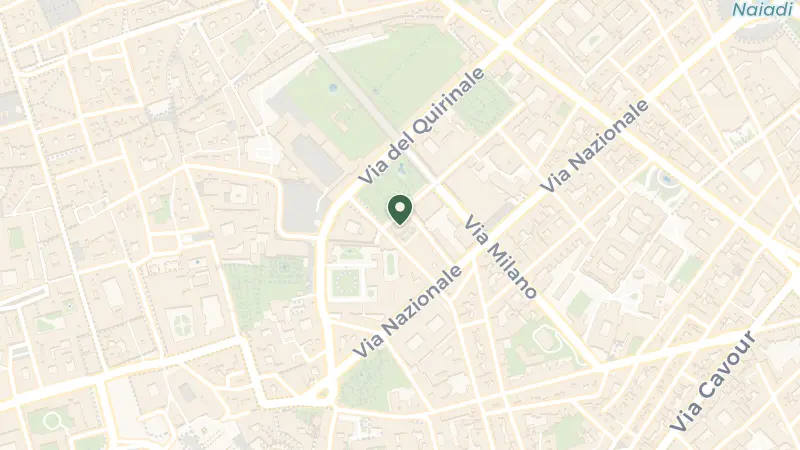
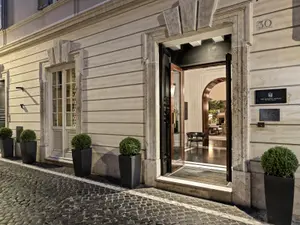
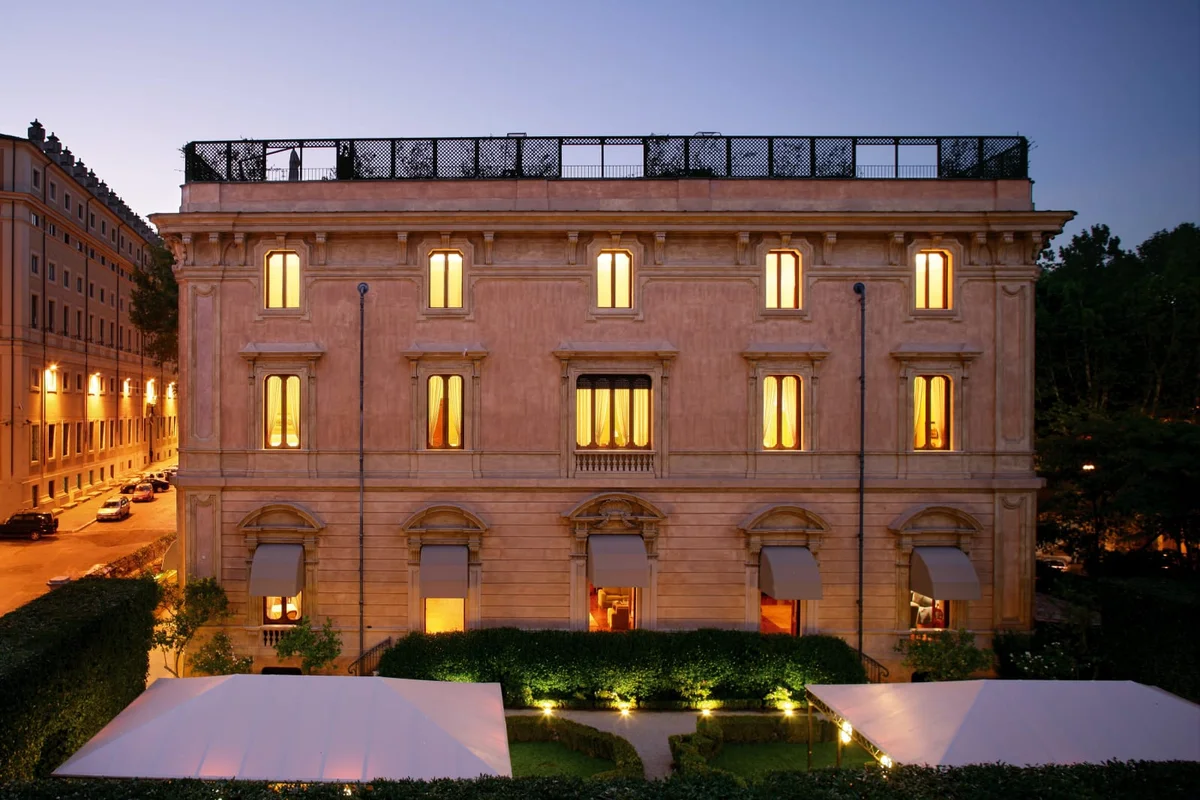
Villa Spalletti Trivelli occupies a 19th-century palazzo in Monti, the neighbourhood where ancient Rome meets contemporary Roman life. The streets here hum with a different energy than the tourist-heavy historic centre: cobblestones worn smooth by millennia of footfall, artisan workshops tucked into medieval arches, and trattorias where locals still argue over lunch. The Colosseum rises just beyond the rooftops, but Monti itself feels lived-in rather than performed, a tangle of Via Panisperna's wine bars and the weekend Mercato di Monti six hundred metres away, where vintage dealers and jewellers set up beneath canvas awnings.
The property sits within the Historic Centre of Rome, a UNESCO World Heritage Site inscribed in 1980 that encompasses the layers of empire, republic, and papacy compressed into a walkable radius. The seven hills slope gently here, the Esquiline and Viminal flanking the neighbourhood, and the Tiber curves two kilometres west through the city's heart. Every direction reveals stone the colour of honey and terracotta roofs tilting toward church domes.
Rome Fiumicino Airport lies 22 kilometres southwest, connected by the Leonardo Express train to Termini station, a fifteen-minute walk from Monti's core.
Monti's dining scene favours intimate scale over grand gestures, though serious gastronomy waits nearby. Acquolina, a two-Michelin-starred restaurant 1.5 kilometres toward Piazza del Popolo, serves creative Mediterranean cuisine in the First Roma hotel's understated dining room. Il Pagliaccio, 1.8 kilometres west, holds two stars for Anthony Genovese's globe-spanning tasting menus, each course a compass point rendered through Italian ingredients. For three-star ambition, La Pergola sits 4.1 kilometres northwest, its post-refurbishment dining room dressed in Travertine marble and Roman red. Book weeks ahead for any of these.
Culturally, you're standing at the centre. The Colosseum and Roman Forum lie a ten-minute walk south, their stones still warm from 28 centuries of sun. Campo de' Fiori's morning market sprawls 1.4 kilometres west, vendors shouting over crates of puntarelle and artichokes. The Vatican City, three kilometres northwest, compresses Michelangelo's Sistine Chapel and Bernini's colonnades into 44 hectares of extraterritorial sovereignty. Start with Monti's own maze: Via dei Serpenti's enotecas, the Basilica di Santa Maria Maggiore's fifth-century mosaics, the neighbourhood's unhurried rhythm between espresso and aperitivo.
July and August bake the Travertine to 31°C, emptying the city of Romans and filling it with tour groups. The air shimmers above the Forum's ruins, and afternoon shade becomes a tactical pursuit. September cools to the mid-twenties, the light turning golden as locals return and tables reappear on cobblestones.
Spring arrives gently: March sees temperatures climbing toward 15°C, wisteria spilling over garden walls, and Easter crowds thickening around St. Peter's. May is ideal, warm enough for linen shirts and long evenings, the city's fountains catching late sun. October mirrors May's warmth before November rain begins.
Winter is Rome's secret season. December and January hover around 11°C, cold enough for wool coats but rarely bitter, the sky a hard blue between rainstorms. Museums empty, restaurants relax, and the city feels like it belongs to those who live here.
Frequently Asked Questions

Quotes are personally reviewed by Natasha Hardy, founder of The Uncommon Traveller
5.0 rating · 8 Google reviewsThere is no fee or markup. The hotel pays our commission.
Request a Quote 10 Bib Gourmand