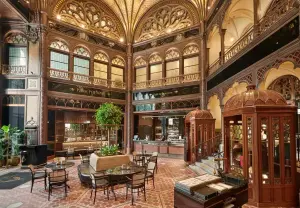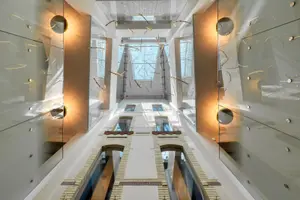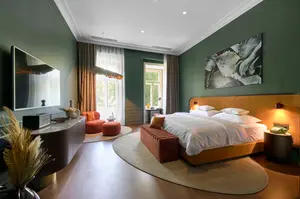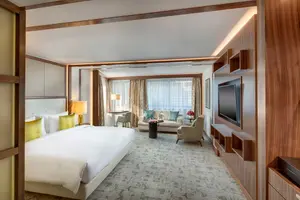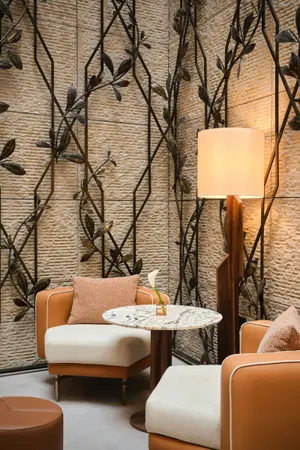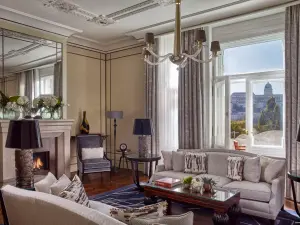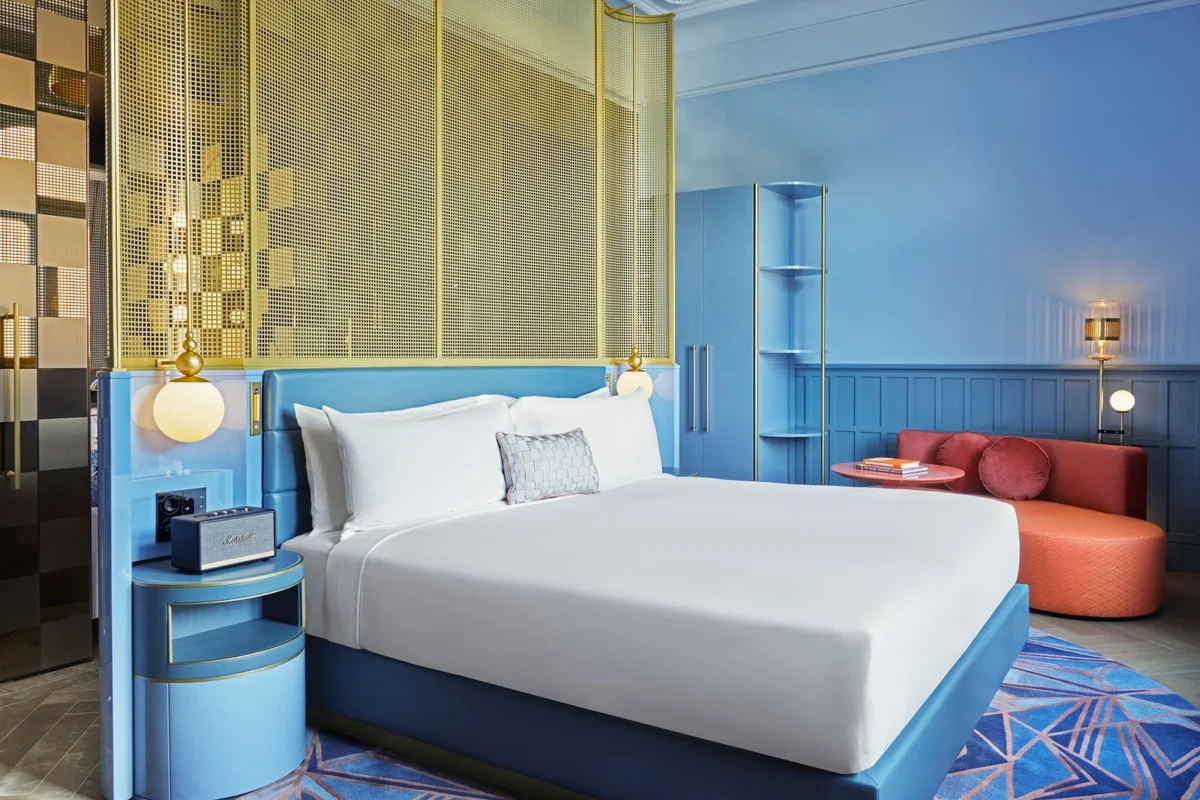
W Budapest
When you book W Budapest in Hungary through our Marriott Luminous partnership, your stay includes daily breakfast for two and a welcome amenity. You also receive a room upgrade, early check-in and late check-out when available. You continue earning Marriott Bonvoy points and elite night credits. No premium credit card or membership needed: request a quote and our advisor books it at the same rate as booking direct.
Exclusive Booking Perks
These perks are included with your stay at the same rate as booking direct with the hotel.
- Welcome amenity
- Complimentary breakfast daily for two guests per room
- Early check-in and late check-out (when available)
- Complimentary upgrade (if available at check-in)
Location
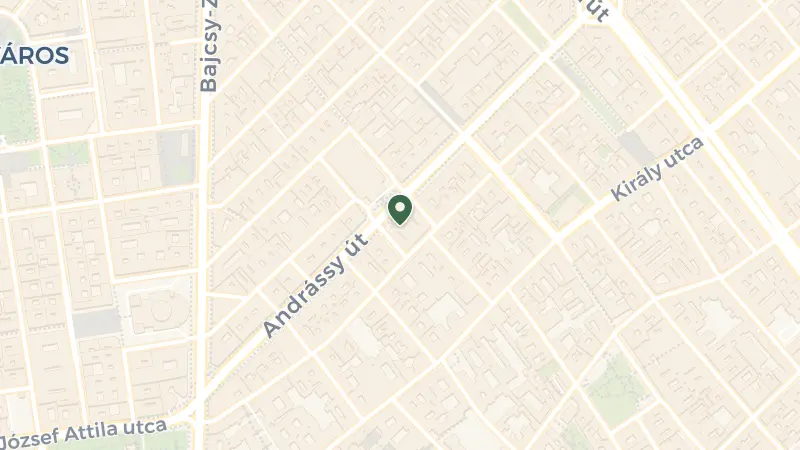
W Hotels brings its signature contemporary energy to Budapest, where bold design and social spaces meet the city's layered historical identity. The brand's Living Room lobbies and music-driven programming find a fitting home in Terézváros, a district whose 18th-century origins as an overspill neighbourhood for Pest's inner core have evolved into one of the city's most vibrant quarters for nightlife and urban energy. The area pulses with a density matched only by neighbouring Erzsébetváros, and the streets hum with an after-dark vitality that aligns with the property's youthful, design-conscious ethos.
Terézváros sits just north of the Danube's curve, where the river divides Buda's castle-topped hills from Pest's flat commercial heart. Walk five minutes west and you reach Andrássy Avenue, the grand boulevard that anchors a UNESCO World Heritage designation stretching from the Basilica to the Danube's banks. The district was named for Maria Theresa after her 1751 visit, formalized when Budapest unified in 1873, and today it retains a compact, walkable character where 19th-century apartment blocks frame narrow streets thick with bars, restaurants, and late-night café culture.
Budapest Liszt Ferenc International Airport lies 17 kilometres southeast, connected by direct shuttle and public transit that brings arrivals straight into the city's efficient network. The Danube threads through the capital's geography, and Terézváros positions travelers within easy reach of both riverfront heritage sites and the Great Plain routes that once made Budapest a strategic trade crossroads at the Pannonian Basin's heart.
Two-Michelin-starred Stand sits just 200 metres from the property, where a central glass-walled kitchen commands the dining room and Hungarian modern cuisine unfolds with precision. Chef Tamás Széll's tasting menus showcase local ingredients treated with technical restraint, and the buzz in the room reflects both the open kitchen's energy and the service team's ease. Book weeks ahead for evening service. Half a kilometre east, essência brings Portuguese Chef-Owner Tiago Sabarigo's Lisbon-trained sensibility to Budapest, where he and his Hungarian wife Éva run a warmly intimate restaurant that layers Portuguese technique over Central European ingredients, earning its single star with dishes that surprise without straining. Borkonyha Winekitchen, a ten-minute walk toward the Basilica, deserves its reputation as one of the city's most consistent one-star addresses; the kitchen sources exceptional produce and lets it speak plainly, paired with a Hungarian-focused wine list that runs deep into small regional producers.
The Buda Castle Quarter and Danube embankments form a UNESCO site two kilometres southwest, where Aquincum's Roman foundations and Gothic fortifications trace architectural influence across centuries. Great Market Hall, 1.7 kilometres south, spreads its iron-framed halls with paprika vendors, salami counters, and langos Stands frying dough to order. Start with Klauzál Téri Vásárcsarnok, a neighbourhood market hall 500 metres away, for a less touristy morning pulse, or wander to Szimpla Piac's weekend farmers' market in a ruin pub courtyard just beyond.
Summer stretches from June through August, when temperatures climb into the mid-20s and the Danube's embankments fill with evening walkers catching the low golden light over Buda's hills. July is the warmest month, but the city's stone and asphalt hold heat long after sunset, and thunderstorms break the humidity with dramatic late-afternoon downpours that clear as quickly as they arrive.
Spring and autumn frame the most forgiving weather, with April and May bringing longer days and café terraces reopening after winter's retreat, while September and October offer crisp mornings and the kind of slanting afternoon sun that makes the Basilica's dome glow amber. These shoulder seasons pull fewer crowds but retain the city's full cultural calendar, from concert halls to thermal baths.
Winter settles cold and grey from December through February, with temperatures dipping below freezing and a damp chill rising off the river. The city's thermal bath culture makes the most sense now, when steam rises into icy air and locals retreat indoors to wood-panelled cafés and wine bars that close their doors against the Pannonian winds.
Frequently Asked Questions

Quotes are personally reviewed by Natasha Hardy, founder of The Uncommon Traveller
5.0 rating · 8 Google reviewsThere is no fee or markup. The hotel pays our commission.
Request a Quote 4 Bib Gourmand