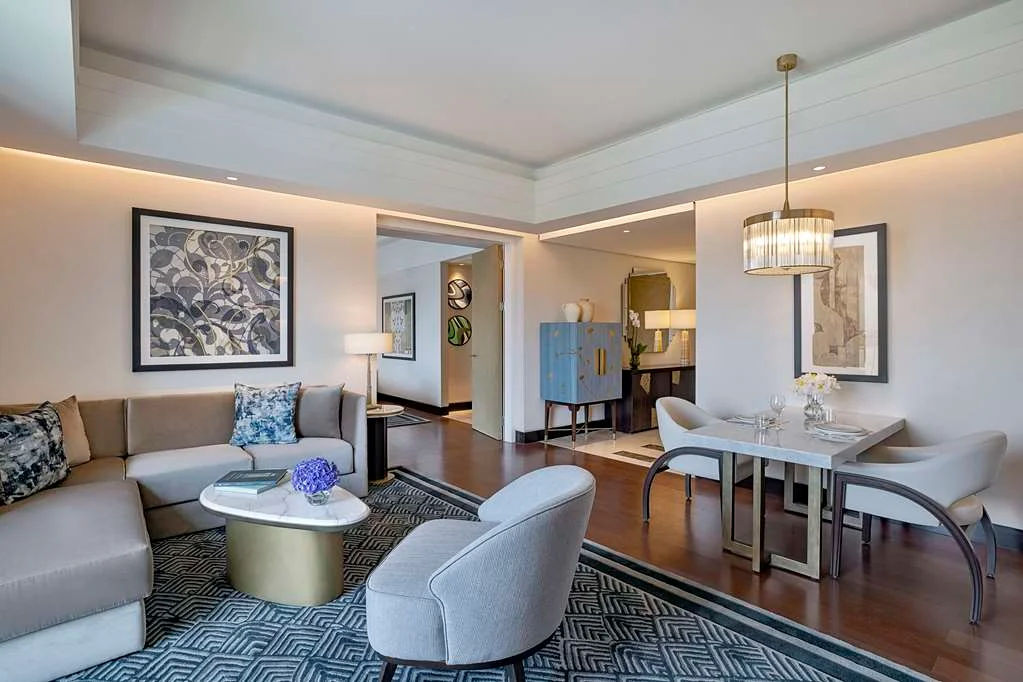
Waldorf Astoria Cairo Heliopolis
When you book Waldorf Astoria Cairo Heliopolis in Egypt through our Hilton for Luxury partnership, your stay includes breakfast for two and a hotel credit of USD 100 per stay. You also receive a one-category room upgrade when available. You continue earning Hilton Honors points and elite night credits. No premium credit card or membership needed: request a quote and our advisor books it at the same rate as booking direct.
Exclusive Booking Perks
These perks are included with your stay at the same rate as booking direct with the hotel.
- VIP guest status
- Complimentary breakfast for 2 guests
- USD100 hotel credit per stay (or local equivalent)
- Double Hilton Honors Points
- Upgrade to next room category (subject to availability)
Location
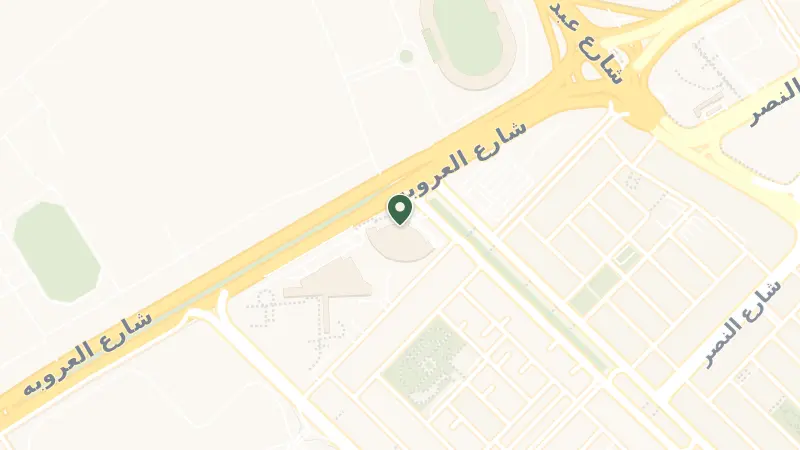
Waldorf Astoria carries the weight of grand-scale hospitality wherever it lands, and the Cairo outpost honours that legacy with signature concierge teams and True Waldorf Service in a city that has perfected the art of welcome over millennia. The property sits in Heliopolis, the early 20th-century garden suburb conceived by Belgian industrialist Édouard Empain and named after the ancient sun city whose ruins still lie in nearby Ain Shams. What began as an ambitious oasis outside Cairo in 1905 has long since merged with the capital, now a district of tree-lined avenues, Belle Époque villas, and rooftop cafés where the pace slows just enough to hear the call to prayer echo across the skyline.
This is Cairo at a manageable remove from the medieval density of the Islamic core. Heliopolis retains a residential grace, its wide boulevards designed for promenading rather than the crush of Khan el-Khalili. The Nile lies 12 kilometres west, Historic Cairo's madrasas and hammams just beyond, inscribed as a UNESCO World Heritage Site in 1979 for its concentration of Fatimid and Mamluk monuments. Founded in 969, Cairo earned its title as "the city of a thousand minarets" through centuries of Islamic patronage, and the skyline still proves it.
Cairo International Airport sits three kilometres away, placing this property closer to departure gates than most urban hotels dare. The city drives on the right, navigates in Egyptian pounds, and never quite sleeps.
Historic Cairo demands a full day, if not two. The medieval quarter unfolds 12 kilometres southwest, a labyrinth of souks, caravanserais, and mosques where sunlight filters through wooden mashrabiya screens onto stone courtyards. Al-Azhar University, founded in the 10th century, remains a living institution, its students spilling into the surrounding alleys. The Citadel looms above, Mamluk fortifications still intact, while the Sultan Hassan Mosque shows how power spoke in carved marble and soaring vaults. Book a guide who can distinguish Fatimid from Ayyubid stonework; the details matter. Souq Al-Leimoun, 12 kilometres southwest, trades in everything from spices to metalwork, the scent of cumin and coriander thick in the air.
The Giza plateau lies 27 kilometres southwest, part of the Memphis necropolis that UNESCO inscribed in 1979. The pyramids need no introduction, but the light does: arrive at dawn when the limestone glows amber and tour groups are still loading buses. Katameya Heights Golf and Tennis Resort stretches across 14 hectares 14 kilometres south, a manicured respite. Closer in, Tivoli market sits three kilometres away for produce and street-level Cairo. The Cairo Opera House hosts the Cairo Symphony Orchestra; check the season before arrival.
December through February bring the most forgiving weather, highs in the low twenties, evenings cool enough for a jacket on a Nile-side terrace. The light softens, the city exhales, and mornings feel sharp rather than oppressive. March and April climb toward 29 degrees, still comfortable for pyramid ascents before the true heat arrives.
May through September turn brutal. July and August routinely exceed 37 degrees, the asphalt radiating heat long after sunset, the sky bleached white by noon. Rain is a non-event; Cairo receives almost no precipitation from May through September. The streets empty between one and four in the afternoon, life resuming only when the worst passes.
October and November ease back toward comfort, temperatures settling into the high twenties, the air dry and clear. The rhythm of the city picks up again, cafés fill at dusk, and walking tours become plausible once more. Visit between November and March when Cairo is at its most navigable.
Frequently Asked Questions

Quotes are personally reviewed by Natasha Hardy, founder of The Uncommon Traveller
5.0 rating · 8 Google reviewsThere is no fee or markup. The hotel pays our commission.
Request a Quote