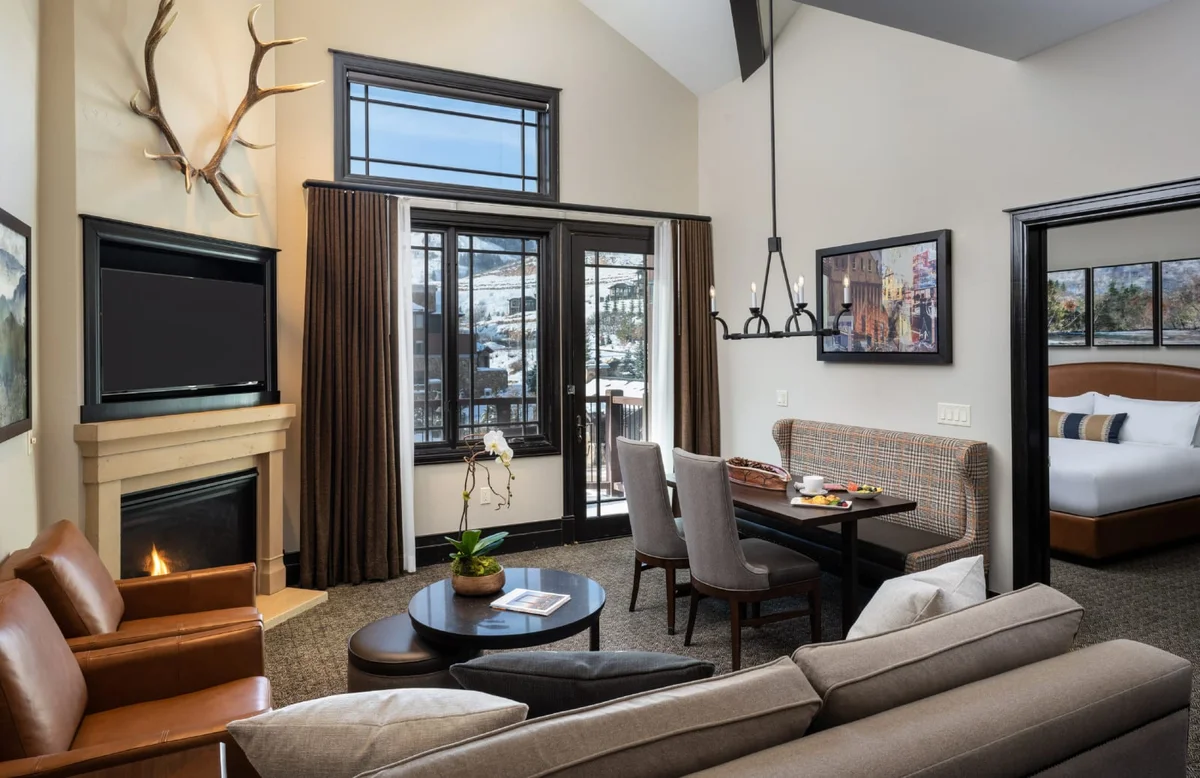
Waldorf Astoria Park City
When you book Waldorf Astoria Park City in the USA through our Hilton for Luxury partnership, your stay includes breakfast for two and a hotel credit of USD 100 per stay. You also receive a one-category room upgrade when available. You continue earning Hilton Honors points and elite night credits. No premium credit card or membership needed: request a quote and our advisor books it at the same rate as booking direct.
Special Offer
+ Save 25% on all stays, all room categories + No minimum stay, no blackout dates + Book by Oct 31, 2026 for an extra USD 500 resort credit in 2-Bedroom Residences and larger
Exclusive Booking Perks
These perks are included with your stay at the same rate as booking direct with the hotel.
- VIP guest status
- Complimentary breakfast for 2 guests
- USD100 hotel credit per stay (or local equivalent)
- Double Hilton Honors Points
- Upgrade to next room category (subject to availability)
Location
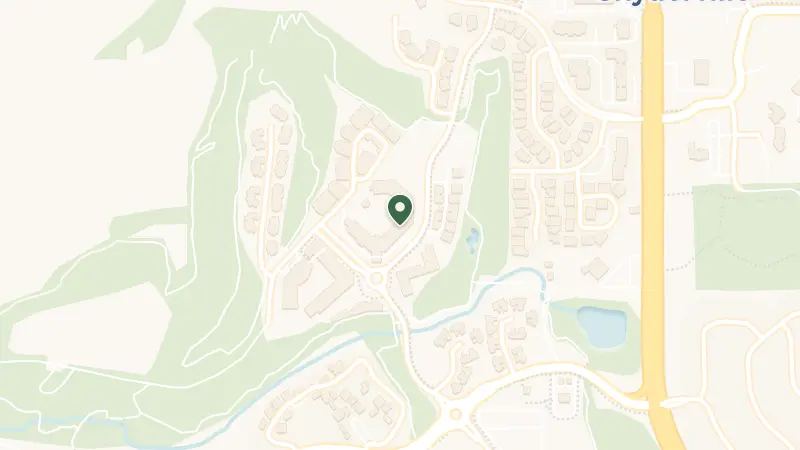
Waldorf Astoria's heritage of grand-scale American hospitality finds new expression in the Wasatch Range, where the brand's signature clock-tower presence and True Waldorf Service programme meet the rhythms of a high-altitude resort town. The property anchors Snyderville, a quiet edge of Summit County that skirts the southwestern reaches of Park City's ski country, offering mountain access without the Main Street crowds.
Park City itself began as a silver-mining boomtown in the 1860s, its fortunes tied to the Ontario Mine and later to the 2002 Winter Olympics, which transformed the terrain into a year-round destination. The surrounding canyons hold traces of that mining past: weathered headframes, old rail grades, and the kind of Western history that feels lived-in rather than curated. Snyderville occupies a quieter fold in the landscape, where the slopes of Park City Mountain Resort rise four kilometres to the east and the Canyons Golf Course unfolds less than a kilometre north.
Salt Lake City International Airport lies 38 kilometres west, a straightforward drive that climbs from the valley floor into the Wasatch foothills. The ascent itself marks the transition: desert scrub giving way to aspen groves, the air thinning, the light shifting to that particular alpine clarity.
The Canyons Golf Course unfolds less than a kilometre from the property, its fairways threading through scrub oak and wildflower meadows that turn burnt orange come September. Serious golfers will find challenge at Glenwild Golf Club & Spa, six kilometres distant, where elevation plays havoc with carry distance and the views stretch across three valleys. For Michelin-level dining, Monte holds one star 29 kilometres south in South Salt Lake, housed within the Beehive Distillery and charting an ambitious contemporary course that draws from the region's agrarian traditions without romanticizing them. Book a table well ahead.
Winter defines the calendar here. Park City Mountain Resort, four kilometres away, offers the largest ski terrain in the United States, its 3,000 hectares stitched together from former rivals. The Utah Olympic Park, just over two kilometres north, operates its bobsled and skeleton tracks year-round; in summer, athletes train on plastic-bristle ski jumps while visitors tour the museum. Donut Falls, 11 kilometres into Big Cottonwood Canyon, rewards a short hike with a curtain of water spilling through a natural doughnut-shaped opening in the limestone.
Winter is the defining season here. From December through March, temperatures hover well below freezing, the peaks hold deep snowpack, and the alpine light is sharp and cold. This is when the resort comes alive: skiers, boarders, and the hum of lifts running from first light to dusk.
Summer arrives late, peaking in July and August when daytime highs reach the mid-twenties and the trails dry out for hiking and mountain biking. The air is thin and clear, the evenings cool enough for fires, the wildflowers brief and brilliant. Thunderstorms roll through most afternoons, brief and dramatic.
Shoulder seasons offer their own rewards. Late spring (May) and early autumn (September and October) bring fewer crowds, softer light, and unpredictable weather: snow one day, sun the next. The aspens turn gold in late September, a brief spectacle before the first winter storms sweep in from the north.
Frequently Asked Questions

Quotes are personally reviewed by Natasha Hardy, founder of The Uncommon Traveller
5.0 rating · 8 Google reviewsThere is no fee or markup. The hotel pays our commission.
Request a Quote 3 Bib Gourmand