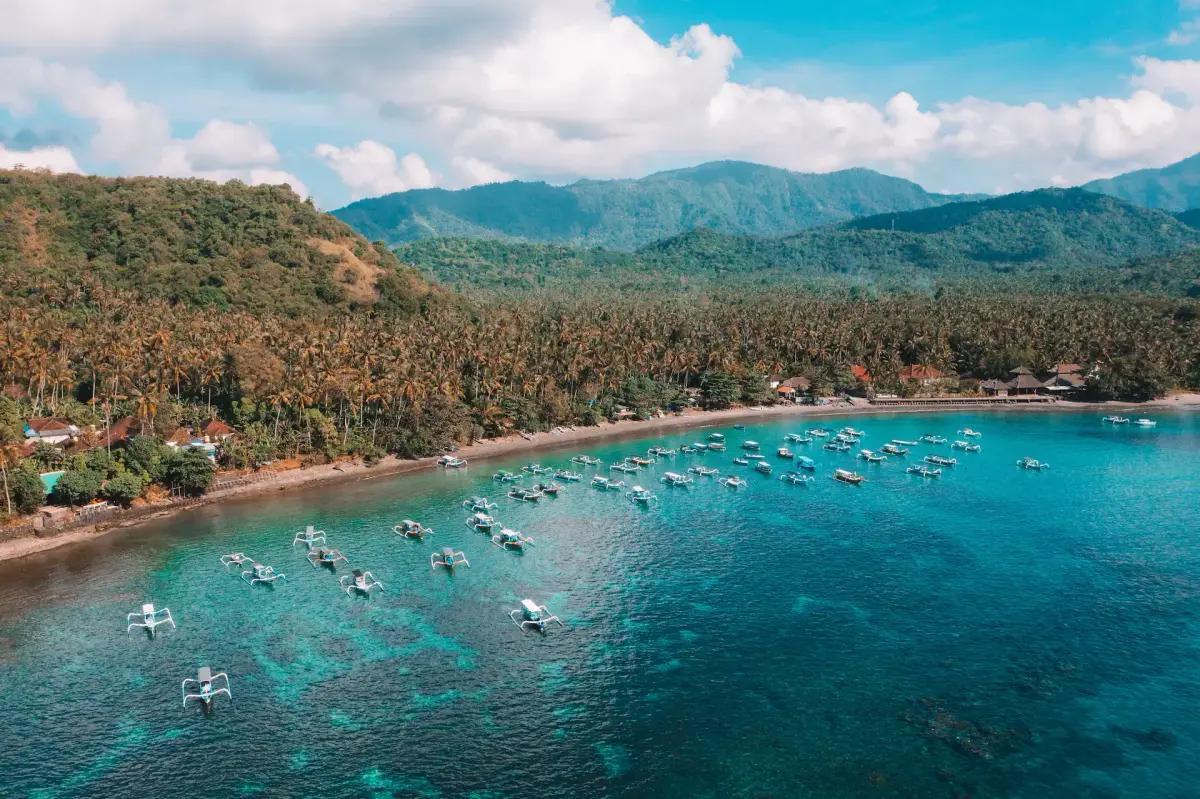
Alila Manggis
When you book Alila Manggis in Bali, Indonesia, through our Hyatt Privé partnership, your stay includes daily full breakfast for up to two guests and a property credit. You also receive a priority room upgrade, early check-in and late check-out when available. You continue earning World of Hyatt points and elite night credits. No premium credit card or membership needed: request a quote and our advisor books it at the same rate as booking direct.
Exclusive Booking Perks
These perks are included with your stay at the same rate as booking direct with the hotel.
- Welcome amenity provided to guests upon arrival.
- Daily complimentary full breakfast at a hotel restaurant for up to two guests.
- Property credit (value varies by property).
- Priority for room upgrade (response within 24 hours of booking, subject to forecasted occupancy).
- Early check-in/late check-out/connecting rooms (response within 24 hours of request, subject to forecasted occupancy).
Guest feedback
9.0/10 from 77 guest reviews
Read what guests commentedBy category
Guests liked
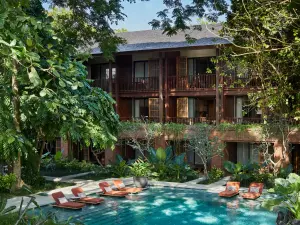
- Classic buildings
- Terrific staff
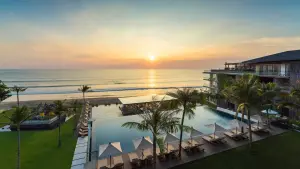
- Beautiful grounds
Location
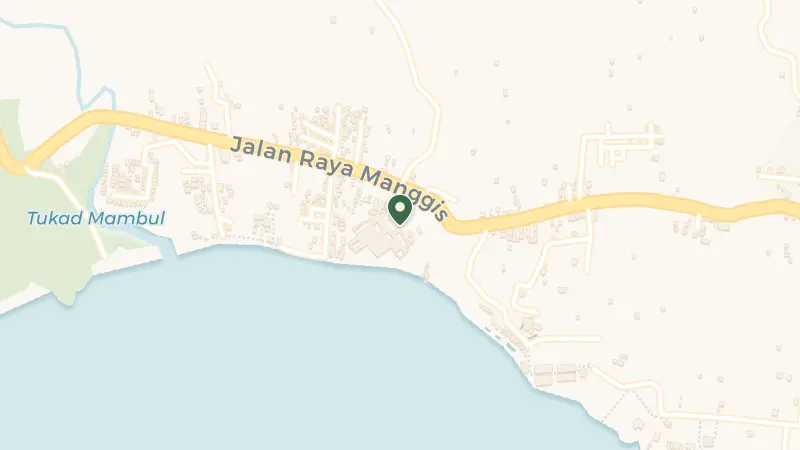
Alila means "surprise" in Sanskrit, a fitting name for a brand that seeks the unexpected in design and place. Part of Hyatt's luxury portfolio, Alila properties root themselves in culturally rich corners of Asia and the Indian Ocean, prioritizing sustainable practices, wellness through Spa Alila, and genuine immersion in local landscape and community. The emphasis is on thoughtful details that connect guests to where they are, not just where they're staying.
Manggis sits on Bali's less-traveled east coast, a quiet fishing village where the island's Hindu character unfolds at a slower pace than in the south. The sea here is calm, protected by offshore reefs. Black-sand beaches give way to coral gardens just beyond the shore. Inland, the land rises toward Mount Agung, Bali's most sacred volcano, its peak often wrapped in cloud. Rice terraces step down hillsides in shades of green that shift with the growing season. The village temple holds ceremonies that follow centuries-old rhythms, offerings appear daily at roadside shrines, and the scent of frangipani drifts through warm, salt-tinged air.
The nearest international airport is I Gusti Ngurah Rai in Denpasar, roughly 50 kilometers southwest. The drive takes about 90 minutes along the coast road, passing through villages where artisans still carve wood and weave songket cloth by hand. The journey itself is a reminder that this part of Bali remains rooted in tradition, not yet swept into the island's overtourism tide.
The east coast reveals a Bali less polished, more authentic. Blue Lagoon, less than four kilometers away, is a shore dive site where coral walls drop sharply and schools of butterflyfish patrol the shallows. Gili Mimpang and Gili Tepekong, both within six kilometers, draw divers for their drift channels and the chance to see reef sharks and mola mola in season. Back on land, waterfalls thread through the jungle-clad interior. Yeh Poh and the twin cascades of Yeh Labuh, all within five kilometers, offer pools cool enough to make you forget the coastal heat. Pasar Ulakan, just over three kilometers north, is a morning market where villagers buy papaya, snake beans, and freshly grated coconut wrapped in banana leaf.
The UNESCO-listed Subak rice terraces lie 31 kilometers inland, a living example of Bali's ancient water-sharing system guided by the Tri Hita Karana philosophy: harmony with the divine, with nature, and with each other. Book a guide through the property to walk the terraces at dawn, when farmers in conical hats wade through flooded fields and herons stalk the margins. Mount Agung's slopes, part of a protected national park 17 kilometers away, reward early risers with sunrise treks that begin in darkness and end above the clouds.
Bali's east coast follows two seasons, wet and dry, but the distinction is less dramatic here than in the island's interior. The wet months, December through March, bring afternoon thunderstorms that clear as quickly as they arrive, leaving the air heavy and the rice terraces brilliant green. Mornings are often clear, the sea flat enough for diving.
April through November is dry season, the most reliable window for outdoor pursuits. June, July, and August are coolest, with temperatures dipping into the low twenties at night and a steady breeze off the water. The light turns golden in the late afternoon, ideal for walks along the coast. Humidity drops, the skies stay clear for weeks at a time.
September and October bring the best diving conditions, with visibility stretching beyond 30 meters and the ocean warming into the high twenties. The island feels quieter then, the crowds thinning before the year-end rush. November hints at the coming rains, but showers are brief and the landscape begins its shift back to vivid green.
Frequently Asked Questions

Quotes are personally reviewed by Natasha Hardy, founder of The Uncommon Traveller
5.0 rating · 8 Google reviewsThere is no fee or markup. The hotel pays our commission.
Request a Quote