Amandari
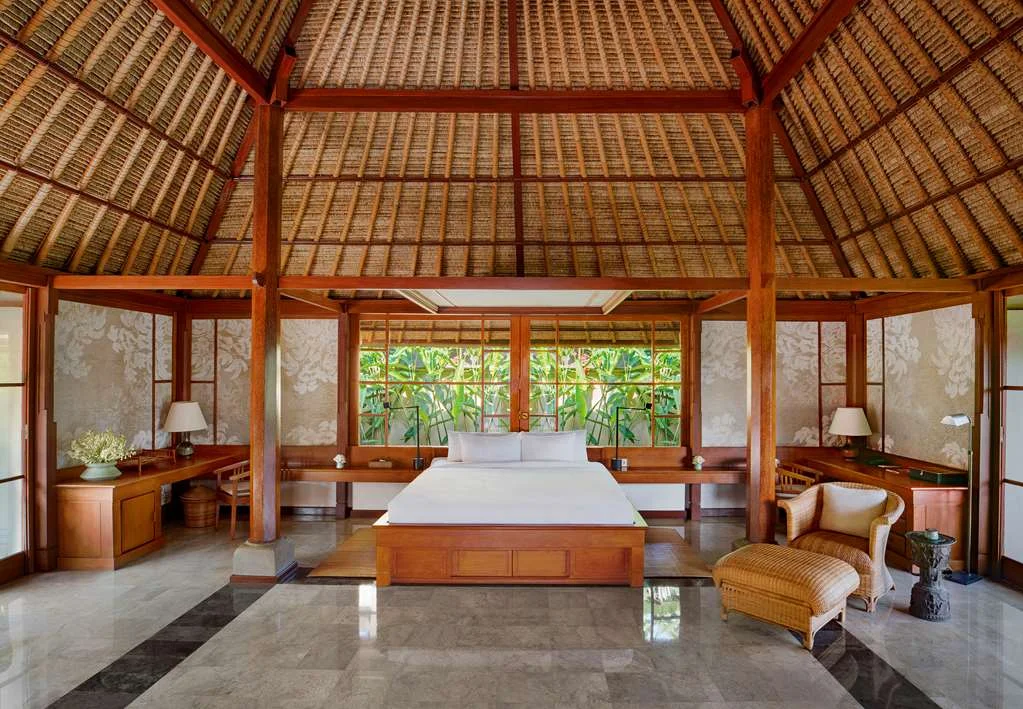
When you book Amandari in Bali, Indonesia, through our Virtuoso partnership, your stay includes daily breakfast for up to two guests and a $100 USD food and beverage credit. You also receive a room upgrade, early check-in and late check-out when available. No premium credit card or membership needed: request a quote and our advisor books it at the same rate as booking direct.
Special Offer: 3rd night free
Stay 3, Pay 2 + Extend Your Stay 'complimentary third night', valid for all suite, till 31 March 2027 It is valid for all Suites, except on 01-31 August 2026 and 20 December 2026 + A complimentary third night + Return airport transfers + Daily breakfast + Daily traditional afternoon tea and market snacks + Daily Balinese dance and Rindik class with children from Kedewatan village + Mini-bar with curated snacks and soft beverages replenished daily, excluding alcoholic beverages
Exclusive Booking Perks
These perks are included with your stay at the same rate as booking direct with the hotel.
- Upgrade on arrival, subject to availability
- Daily breakfast for up to two guests per bedroom, served in the restaurant and via in-room dining (already included in property rates)
- $100 USD equivalent Food & Beverage credit to be utilized during stay (not combinable, not valid on room rate, no cash value if not redeemed in full)
- Early Check-In / Late Check-Out, subject to availability
Location
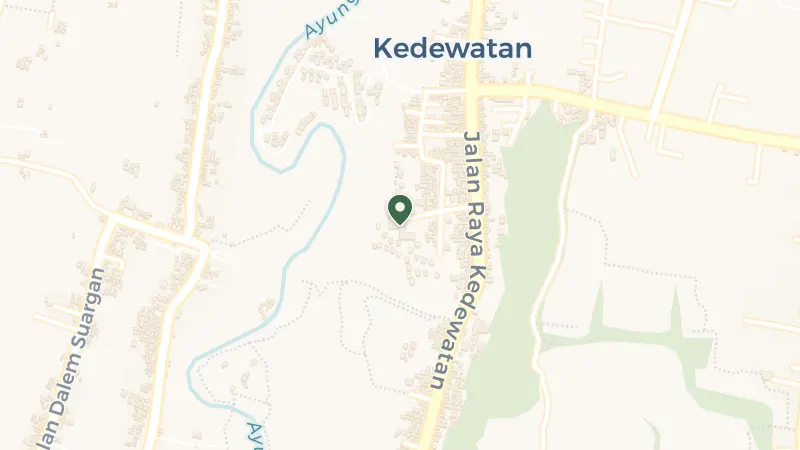
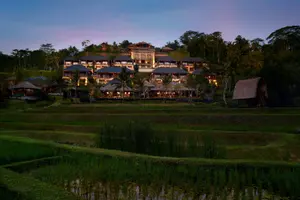
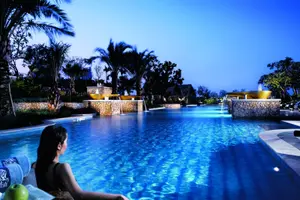
Aman properties draw their character from landscape and restraint, and Amandari delivers both above a sacred river gorge in Kedewatan, a few kilometres north of Ubud's gallery-lined centre. The hotel takes its architectural cues from a traditional Balinese village, with guest suites arranged along a central courtyard and split-level infinity pool that seems to pour into the Ayung River valley below. Aman's signature unhurried pace finds a natural home here, where the staff-to-guest ratio ensures that requests are anticipated rather than asked for.
Ubud has been Bali's cultural heart since the island's rajas established courts here in the early 20th century, and the town remains dense with working artisans, dance troupes, and galleries that show contemporary Balinese painting alongside ceremonial masks. The neighbourhood around Amandari slopes through rice paddies still irrigated by the subak system, a UNESCO-recognized tradition of cooperative water management governed by temple councils. Sayan village lies one kilometre south, where you can hear the rustling of bamboo groves and the low hum of gamelan rehearsals drifting from open-air pavilions.
Denpasar's Ngurah Rai International Airport sits 30 kilometres south, roughly an hour by private transfer through terraced hillsides and roadside temples hung with black-and-white checkered cloth.
Kedewatan's position on the Ayung River means that waterfall hikes are a practical morning pursuit. Sayan waterfall is walkable from the property, a kilometre through palm groves and wet-stone paths that deliver you to a curtain of water spilling into a shallow basin. Ubud's street markets operate daily three kilometres south, where vendors sell woven palm-leaf offerings, carved sandalwood, and pyramids of mangosteen and salak, the latter a scaly brown fruit with white flesh that snaps like an apple. Book a table at one of the warungs near Ubud Market for nasi campur, the mixed rice plate that changes daily depending on what the cook has prepared: usually lawar (minced meat with coconut and spices), sate lilit (minced fish wrapped around lemongrass), and a tangle of long beans stir-fried with garlic and shrimp paste.
The Cultural Landscape of Bali, inscribed by UNESCO in 2012 and located 31 kilometres northeast, encompasses five rice terrace systems and the water temples that regulate irrigation through the Tri Hita Karana philosophy, a Balinese Hindu concept balancing relationships between humans, nature, and the divine. Closer to the property, Peliatan village four kilometres southeast has been a centre for legong dance since the 1930s, with nightly performances in temple courtyards lit by oil lamps.
July and August deliver the driest months, when humidity drops and mornings feel crisp enough to walk the ridge paths without breaking a sweat by the first kilometre. Daytime temperatures hover near 28°C, and the light takes on a harder, whiter quality that sharpens the edges of the rice terraces.
The wet season runs from November through March, with January and February bringing the heaviest afternoon downpours. Rain arrives fast, turning footpaths to red mud and filling the Ayung River until it roars loud enough to hear from the terrace. The air smells of wet stone and frangipani, and the green deepens across the valley.
April and May mark the shoulder months, when rainfall tapers and the landscape holds onto its lushness before the dry season sets in. October and November see brief showers that clear by mid-afternoon, leaving the sky rinsed and the temperature climbing back near 30°C.
Frequently Asked Questions

Quotes are personally reviewed by Natasha Hardy, founder of The Uncommon Traveller
5.0 rating · 8 Google reviewsThere is no fee or markup. The hotel pays our commission.
Request a Quote