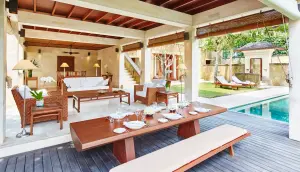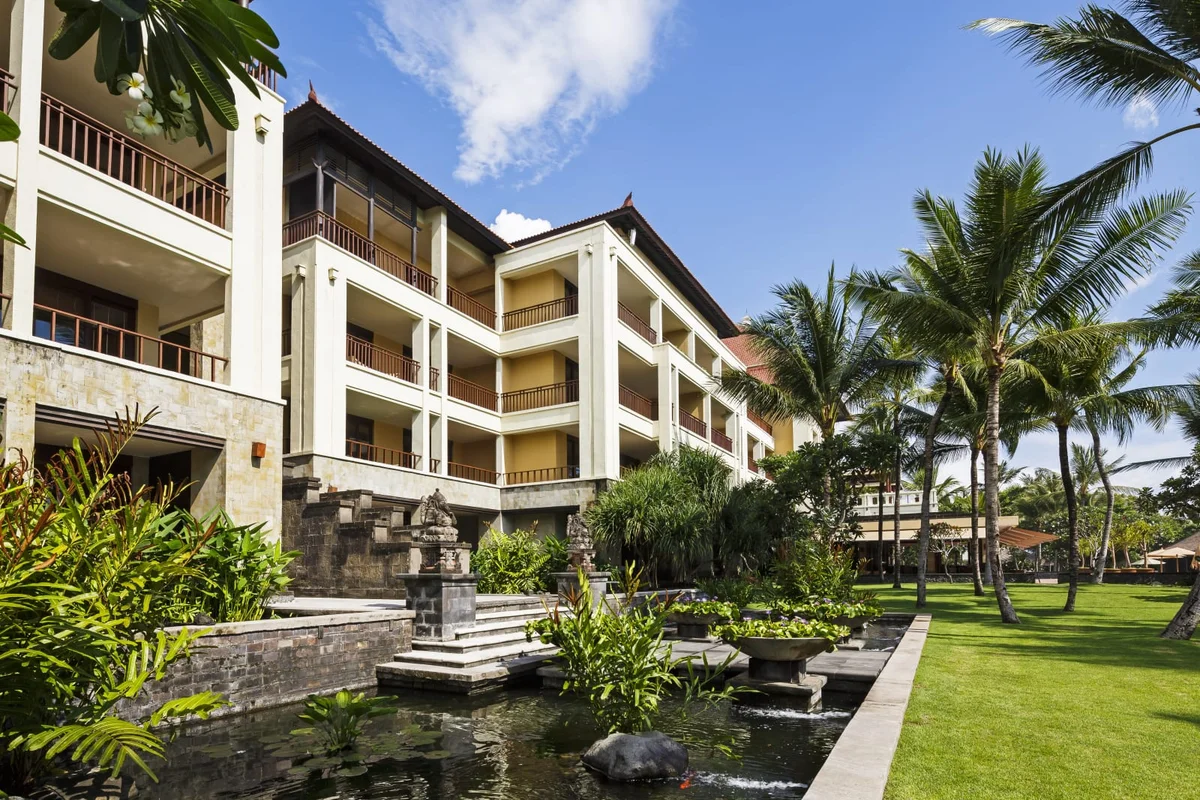
The Legian Seminyak, Bali
When you book The Legian Seminyak, Bali in Indonesia, through our Virtuoso partnership, your stay includes daily breakfast for up to two guests and a $100 USD food and beverage credit. You also receive a room upgrade, early check-in and late check-out when available. No premium credit card or membership needed: request a quote and our advisor books it at the same rate as booking direct.
Special Offer
+ The Best of Both Islands: Bali & Sumba Experience two distinct islands in one meaningful journey. With a minimum stay of three nights at each resort, enjoy an upgrade up to a Deluxe Suite at The Legian Seminyak, and a complimentary floating breakfast or a private sundowner in your villa at Nihi Sumba. Available year-round, subject to hotel availability and conditions
Exclusive Booking Perks
These perks are included with your stay at the same rate as booking direct with the hotel.
- Upgrade on arrival, subject to availability
- Daily breakfast for up to two guests per bedroom, served in the restaurant and via in-room dining (already included in property rates)
- $100 USD equivalent Food & Beverage credit to be utilized during stay (not combinable, not valid on room rate, no cash value if not redeemed in full)
- Early Check-In / Late Check-Out, subject to availability
Guest feedback
9.8/10 from 706 guest reviews
Read what guests commentedBy category
Guests liked
- Great service
- Beautiful location
- Spacious rooms
Points to consider
- Cleaning issues during renovation
- Some furnishings need updating
Location
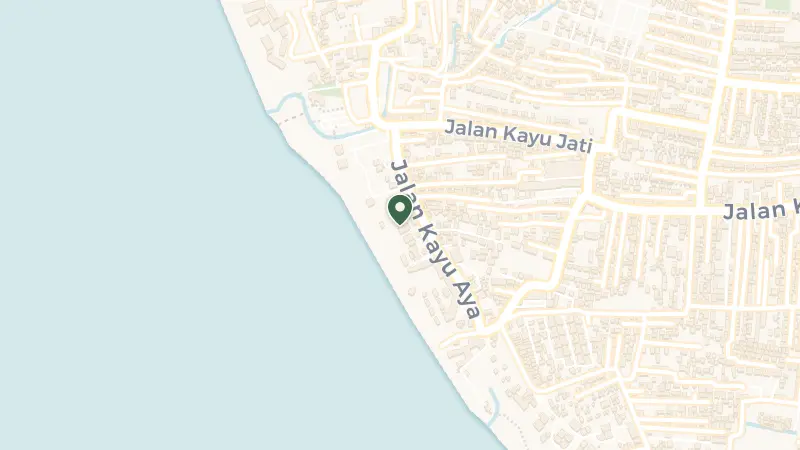
Seminyak occupies Bali's southwestern coastline where the island's Hindu-majority character meets a well-established expatriate community and an international dining scene. The neighbourhood emerged from the fishing villages that once bordered Kuta and Legian to the south, and today it stands as one of the island's most developed tourist districts, its streets lined with boutiques, furniture workshops, and restaurants that cater to resident foreigners and travelers alike. Pantai Petitenget stretches along the shore just 300 metres west, a dark sand beach named for the temple that anchors its northern end, where ceremonies unfold against the Indian Ocean horizon and surfers paddle out at first light.
Bali's cultural centre lies inland at Ubud, but the island's artistic heritage threads through Seminyak in the form of stone carving workshops, metalwork studios, and the everyday rhythm of temple offerings carried in woven baskets through the streets. The province remains Indonesia's only Hindu-majority region, and the Balinese Hindu calendar shapes the island's tempo, festivals erupting with gamelan orchestras and processions of women in lace kebayas balancing fruit towers on their heads.
Ngurah Rai International Airport sits seven kilometres south, a 20-minute drive through congested roads lined with warungs and villa walls draped in frangipani. Traffic moves on the left, slowing to a crawl during peak hours, but the beachfront rewards arrival with salt air and the sound of breaking waves that never quite fades.
Pantai Petitenget delivers the ocean at your doorstep, the beach widening at low tide to reveal tidal pools where children crouch with nets and the afternoon light turns the water the colour of hammered bronze. Surfers work the beach breaks at Drifter Kayu Aya and Rip Curl Kayu Aya, both within a ten-minute walk, while the stronger sets at Pantai Batu Bolong, four kilometres north, draw more experienced riders. The Kayu Aya market lies 400 metres inland, a neighbourhood hub for produce and household goods where locals shop for mangosteen and salak before the midday heat sets in. Book a table at one of Seminyak's expatriate-run restaurants clustered along Jalan Kayu Aya (Oberoi) and Jalan Petitenget, where European chefs work with Balinese ingredients and wine lists run deep.
The UNESCO-listed Cultural Landscape of Bali Province, 55 kilometres northeast, protects the subak system of rice terraces and water temples that embody the Tri Hita Karana philosophy of harmony among people, nature, and the spiritual realm. Closer in, Tegenungan Blangsinga Waterfall plunges into a jungle gorge 19 kilometres inland, reached by steep stone steps that descend through humid air thick with the scent of wet earth and orchids.
The dry season stretches from April through October, with August delivering the coolest mornings and the least likelihood of rain. The air loses its humidity, the sky stays clear past noon, and the Indian Ocean wind picks up in the afternoons, flattening the grass on the temple grounds and stirring the palms along the beach. This is peak season, when European and Australian travelers fill the villas and the water stays calm enough for novice swimmers.
November marks the shift as rain clouds build over the interior highlands and the wet season arrives. January through March brings the heaviest downpours, sudden afternoon storms that darken the sky and turn the streets into rivers before clearing just as quickly. The landscape drinks in the moisture, temple gardens exploding with hibiscus and jasmine.
The shoulder months of April and November offer a middle path: intermittent rain, fewer crowds, and mornings when the light breaks soft and golden across the rice paddies inland. The water stays warm year-round, the temperature never dipping below the mid-twenties, and the frangipani blooms regardless of the calendar.
Frequently Asked Questions

Quotes are personally reviewed by Natasha Hardy, founder of The Uncommon Traveller
5.0 rating · 8 Google reviewsThere is no fee or markup. The hotel pays our commission.
Request a Quote