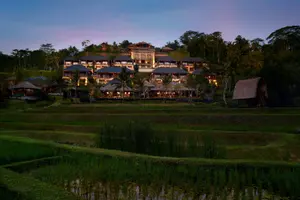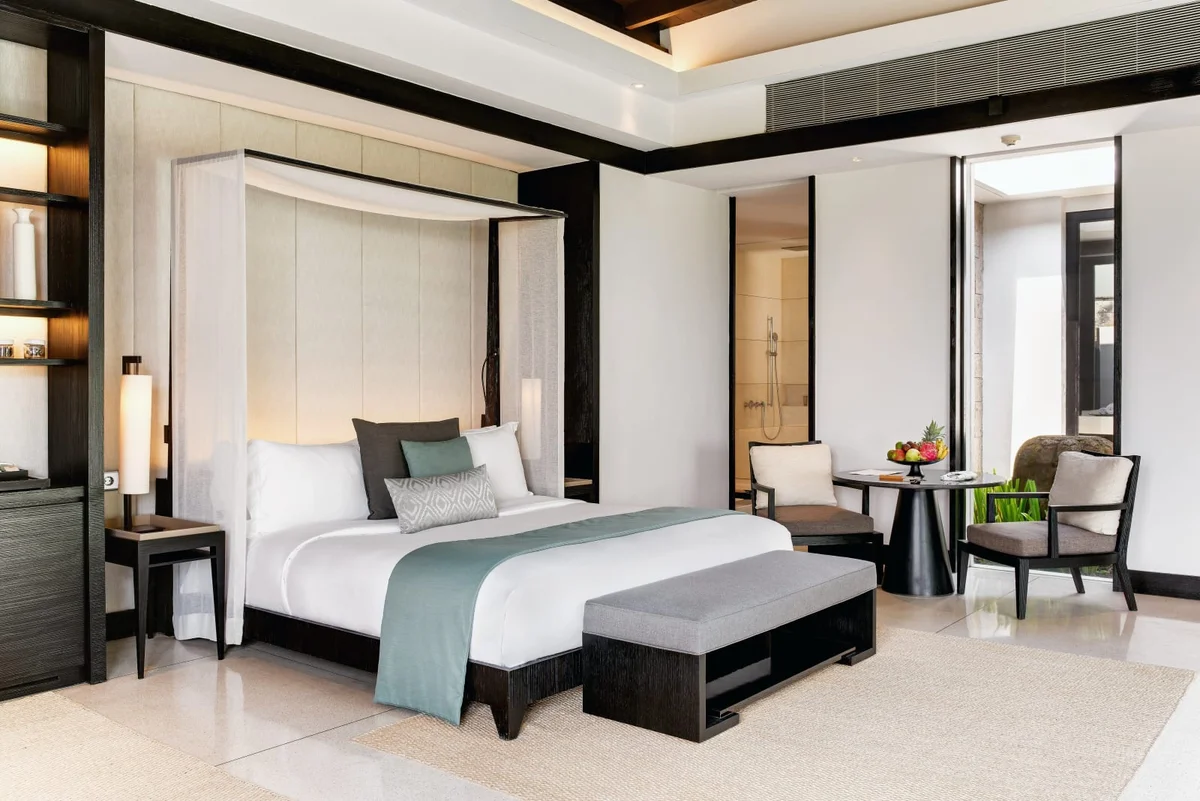
Soori Bali
When you book Soori Bali in Indonesia through our Virtuoso partnership, your stay includes daily breakfast for up to two guests and a $100 USD resort or hotel credit. You also receive a room upgrade, early check-in and late check-out when available. No premium credit card or membership needed: request a quote and our advisor books it at the same rate as booking direct.
Exclusive Booking Perks
These perks are included with your stay at the same rate as booking direct with the hotel.
- Upgrade on arrival, subject to availability
- Daily Breakfast for up to two guests per bedroom, served in the restaurant (already included in property rates)
- $100 USD equivalent Resort or Hotel credit to be utilized during stay (Not combinable, not valid on room rate, no cash value if not redeemed in full)
- Complimentary roundtrip private airport transfers (must have minimum value of $100 USD equivalent)
- Bookings in our Residences and Estate will receive an additional $100 Hotel credit (for a total of $200 during stay)
- Early Check-In / Late Check-Out, subject to availability
Guest feedback
9.6/10 from 76 guest reviews
Read what guests commentedBy category
Guests liked
- Beautiful beach
- Attentive staff
Points to consider
- Food quality could be improved
- Spa experience was not good
Location
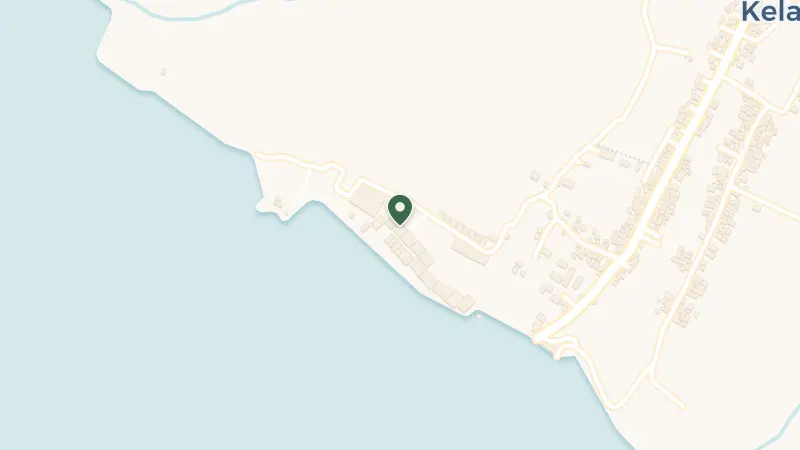
Soori Bali occupies a stretch of southwest coast where black volcanic sand meets the Indian Ocean, well removed from the island's tourist epicentres. The property sits in Kelating, a quiet enclave where rice paddies run right to the shore and traditional Balinese village life continues undisturbed. This is not the Bali of crowded beaches and villa clusters. The landscape here holds a rawer beauty: dramatic surf breaks, unmanicured shoreline, and the kind of vast ocean horizons that make southern Bali feel worlds away.
The surrounding countryside reflects Bali's Hindu cultural core. Temple ceremonies unfold in nearby villages where Balinese Hinduism shapes daily rhythm and ritual. The UNESCO-listed subak system, the island's ancient cooperative water management network centred on water temples, extends across terraced landscapes fifty kilometres northeast. These rice terraces, governed by the Tri Hita Karana philosophy of harmony between people, nature, and the divine, form one of the world's most intricate agricultural systems.
Denpasar I Gusti Ngurah Rai International Airport lies twenty-three kilometres southeast, connected by road that cuts through Tabanan regency's green interior. The drive traces routes past roadside shrines, family compounds, and the kind of wet-season emerald that defines Bali's reputation as the Island of the Gods.
Pasut Beach stretches two and a half kilometres north, a ribbon of black sand where local fishermen launch outriggers and the surf pounds with unrelenting force. The beach sees few visitors despite its wild beauty. Further up the coast, Tanah Lot temple clings to an offshore rock formation six kilometres away, silhouetted against sunset sky and accessible at low tide across slick volcanic stone. This sixteenth-century sea temple, one of Bali's most photographed landmarks, draws throngs at dusk, but arrive mid-afternoon for quieter contemplation.
Inland markets reveal the texture of daily life. Pasar Tabanan, nine kilometres east, operates as the regency's main produce hub: stalls piled with rambutan, mangosteen, spices in woven baskets, and pre-dawn deliveries of freshly caught fish. Book a morning visit to watch vendors arrange offerings before the market swells. Surf culture takes hold further north around Batu Bolong, twelve and a half kilometres up the coast, where reef breaks attract experienced surfers and Canggu's surf-and-cafe scene begins to assert itself. The countryside here remains predominantly agricultural, defined more by family-run warungs than international dining.
The dry season from May through September brings clear mornings and consistent warmth, with temperatures settling in the high twenties. This is Bali's peak visitor period: calm seas, dependable sunshine, and the kind of low-humidity days when rice terraces glow gold under cloudless skies. Evenings cool just enough for open-air comfort.
October through April marks the wet season, though rain typically arrives in short afternoon downpours rather than day-long curtains. The landscape transforms: rivers swell, terraces turn vivid green, and the air thickens with tropical humidity. January and February see the heaviest rainfall, but mornings often break clear and luminous.
Shoulder months of April and October offer ideal conditions: lighter crowds, lower humidity, and temperatures just shy of thirty degrees. The island feels more expansive then, the pace slower, the light softer through dissipating monsoon clouds.
Frequently Asked Questions

Quotes are personally reviewed by Natasha Hardy, founder of The Uncommon Traveller
5.0 rating · 8 Google reviewsThere is no fee or markup. The hotel pays our commission.
Request a Quote