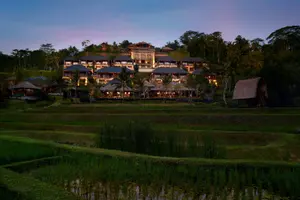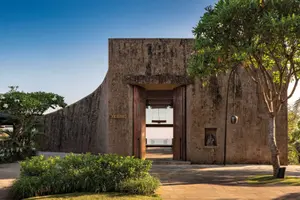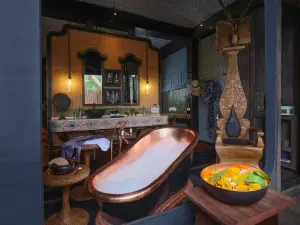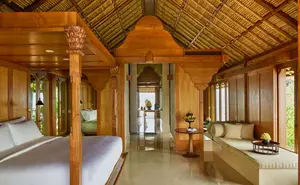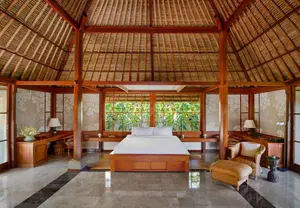
Anantara Ubud Bali Resort
When you book Anantara Ubud Bali Resort in Indonesia through our Virtuoso partnership, your stay includes daily buffet breakfast for up to two guests. You also receive early check-in and late check-out when available. No premium credit card or membership needed: request a quote and our advisor books it at the same rate as booking direct.
Special Offer
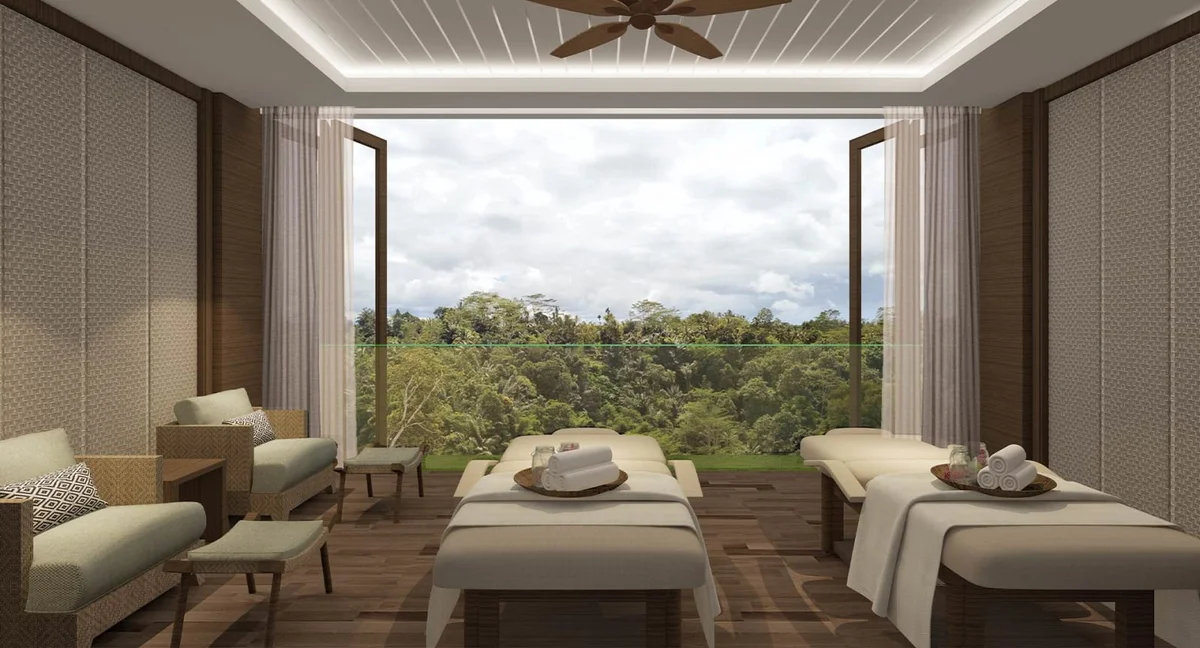
+ Enjoy a relaxing yet revitalizing retreat in the serene forests of Payangan. Begin your stay on a powerful note with a sacred Water Purification ritual at Mengening Temple, cleansing your mind and spirit in Bali's tranquil natural springs. Achieve your fitness goals with the guidance of a professional trainer during a 60-minute session. Let us help melt your tension away with a 60-minute traditional healing experience through our "Balinese Mepijet" massage. Find your inner balance with calming scheduled yoga sessions led by an expert, and indulge in delicious, healthy amenities right in the comfort of your room
Exclusive Booking Perks
These perks are included with your stay at the same rate as booking direct with the hotel.
- Upgrade at time of booking, subject to availability (Suite and Two Bedroom Villa category)
- Daily Buffet breakfast for up to two guests per bedroom, served in the restaurant
- A complimentary 50 minute massage for up to two guests, per room, once during stay
- Early Check-In / Late Check-Out, subject to availability
Guest feedback
9.1/10 from 65 guest reviews
By category
Guests liked
- Beautiful surroundings
- Exceptional staff service
Points to consider
- Room service could be more accessible
- Some drinks offered were inappropriate for guests' limits
Location
Anantara takes its name from the Sanskrit for "without end", a philosophy that shapes every property in the portfolio: immersive encounters with place, cooking schools that teach regional technique, spa rituals drawn from local practice. The brand's resorts span Asia, the Middle East, Africa, and Europe, always positioning guests at the threshold of cultural depth rather than observing from a remove.
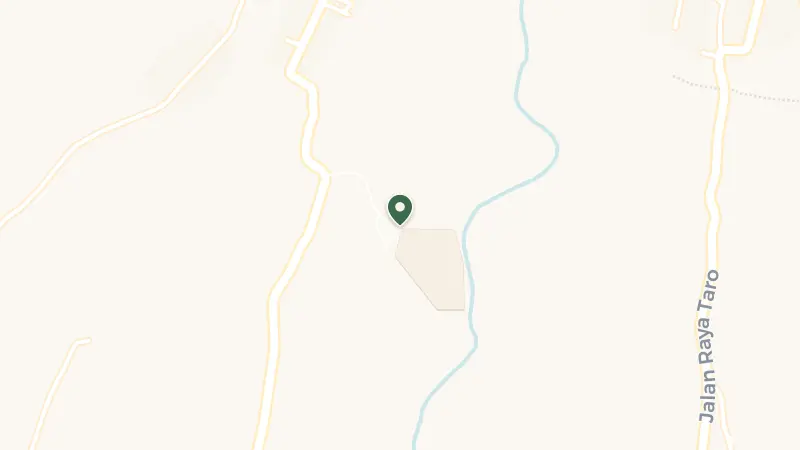
The property sits in the Dasong and Puhu villages north of Ubud, Bali's creative heart. This is the island's upland interior, where the air cools and thins, where rice terraces cascade down volcanic slopes in ribbons of green that shift with the light. Bali remains Indonesia's only Hindu-majority province, and that devotion saturates daily life here: temple ceremonies marked by gamelan percussion, offerings of frangipani and marigold placed at dawn on doorsteps and shrine steps. The Payangan River carves through the valley below, its sound a constant low thread beneath the rustle of bamboo and the distant crow of roosters.
Denpasar's I Gusti Ngurah Rai International Airport lies 41 kilometres south, a drive that climbs from the coastal sprawl into the interior's quieter, forested folds. The cultural landscape feels less like a static backdrop and more like a living practice, inscribed by UNESCO in 2012 for its subak system: a cooperative network of water temples, canals, and terraced paddies that embody the Tri Hita Karana philosophy of harmony between people, earth, and spirit.
The hotel anchors guests in the Anantara tradition: a cooking school where you learn to grind spice pastes by hand, spa treatments that draw on Balinese healing methods, excursions that thread through the surrounding countryside rather than skimming its surface. Four kilometres northeast, Ulu Petanu waterfall plunges into a jungle-shaded pool; Pangkung Patas lies just beyond, equally secluded. Nungnung, eight kilometres away, requires a descent of several hundred steps but rewards with a curtain of water that thunders into mist and fern. The UNESCO-listed rice terraces begin 21 kilometres distant, their geometry a living map of centuries-old water management. Start your mornings early to catch the terraces in soft light, when the irrigation channels glitter and farmers wade knee-deep in reflection.
Tirta Empul Market, five and a half kilometres north, spills with produce, woven baskets, and vendors selling palm sugar and chilli sambal by the kilo. Ubud's central markets, just under 13 kilometres south, draw larger crowds but offer the same sensory abundance: rambutan and salak fruit piled in pyramids, batik sarongs hung in saturated colour. Book a table at the hotel's cooking school and take what you've gathered from the stalls into your own hands, learning to balance sweet, sour, salt, and heat in the Balinese register.
The dry season stretches from May through October, with July and August bringing the coolest nights and the clearest skies. Mornings in the uplands hover around 24 degrees, afternoons warm into the high twenties without the coastal humidity. This is peak visibility for terraces and temple visits, though also peak visitor numbers across the island.
November through April is monsoon season, but rainfall here tends to arrive in afternoon bursts rather than all-day downpours. The landscape greens to near-fluorescence, rivers run high, and mornings often break cool and clear before clouds gather by mid-afternoon. January through March sees the heaviest rain, but also fewer crowds and a softer, more subdued light.
September and October offer a sweet spot: lingering dry-season clarity with thinner visitor numbers as schools resume elsewhere. The rice paddies begin their planting cycle, and the whole valley hums with preparation for the wetter months ahead.
Frequently Asked Questions

Quotes are personally reviewed by Natasha Hardy, founder of The Uncommon Traveller
5.0 rating · 8 Google reviewsThere is no fee or markup. The hotel pays our commission.
Request a Quote