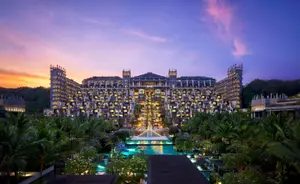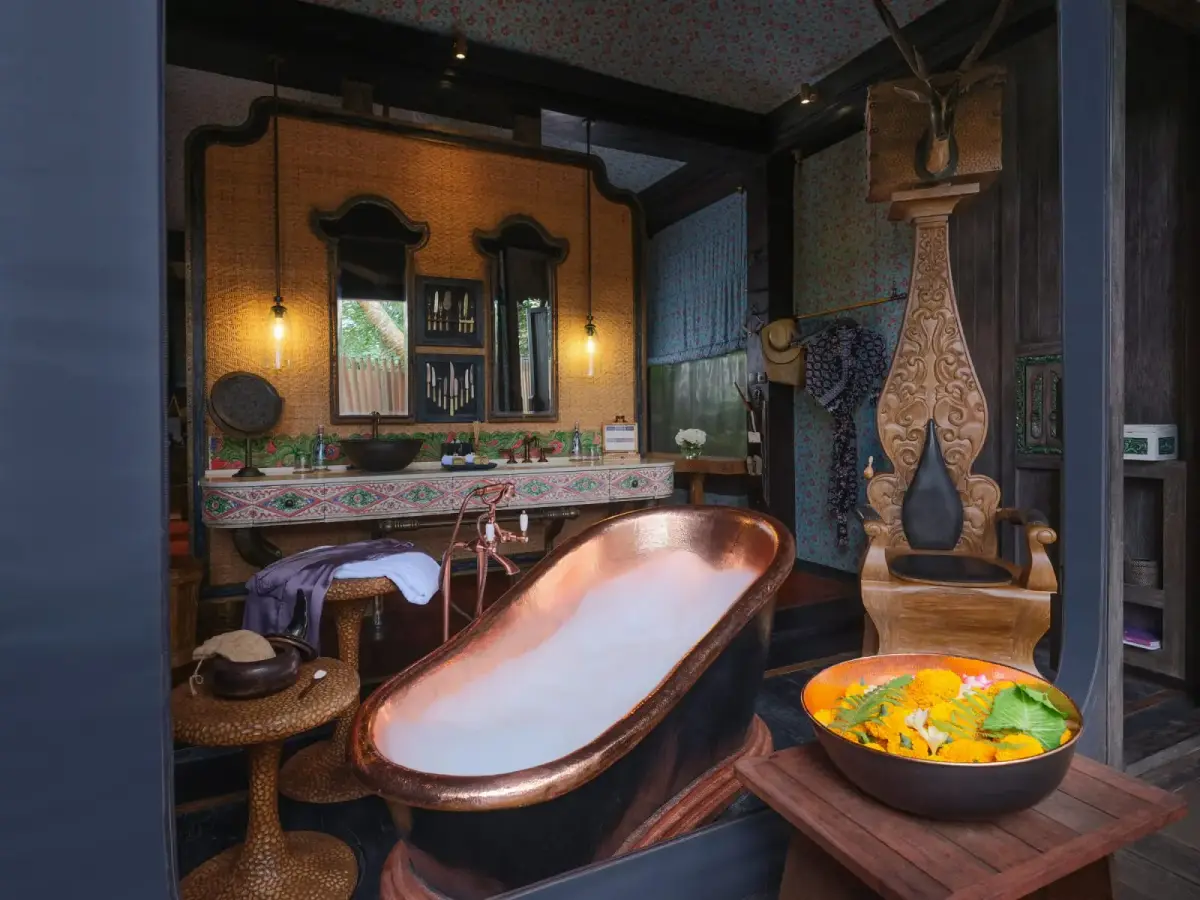
Capella Ubud
When you book Capella Ubud in Indonesia through our Virtuoso partnership, your stay includes daily breakfast for up to two guests and a $100 USD resort or hotel credit. You also receive a room upgrade, early check-in and late check-out when available. No premium credit card or membership needed: request a quote and our advisor books it at the same rate as booking direct.
Exclusive Booking Perks
These perks are included with your stay at the same rate as booking direct with the hotel.
- Upgrade on arrival, subject to availability
- Daily Breakfast for up to two guests per bedroom, served in the restaurant (already included in property rates)
- $100 USD equivalent Resort or Hotel credit to be utilized during stay (not combinable, not valid on room rate, no cash value if not redeemed in full)
- Early Check-In / Late Check-Out, subject to availability
Location
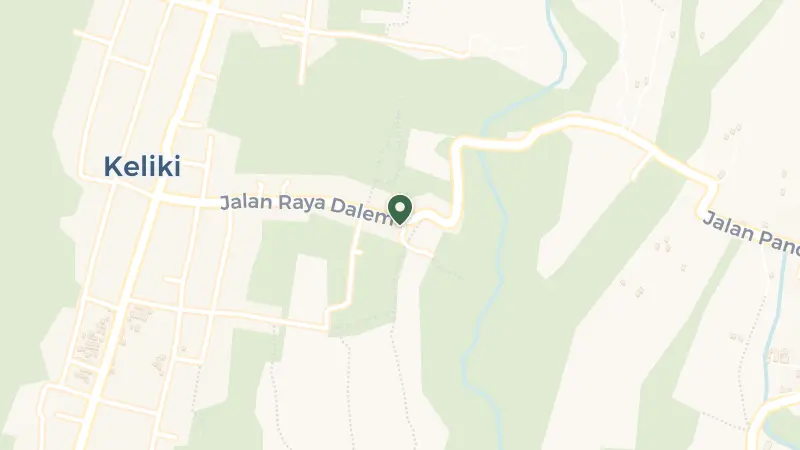
Capella Hotels and Resorts brings founder Horst Schulze's ultra-luxury philosophy to Bali's cultural highlands, where each guest receives a dedicated personal assistant and a staff-to-guest ratio that allows for extraordinary levels of anticipation and care. The property sits in Keliki, a village north of central Ubud, where the air smells of wet earth and frangipani after afternoon rain. Rice terraces cascade down hillsides in geometric patterns perfected over centuries. This is the countryside that made Ubud synonymous with Balinese artistry, before the town centre's galleries and yoga studios drew crowds.
Gamelan rehearsals drift from village pavilions at dusk. The UNESCO-inscribed subak irrigation system, twenty-six kilometres away, governs the flow of water through these paddies according to Tri Hita Karana, the Balinese philosophy of harmony between people, nature, and the spiritual realm.
Ubud Palace and the Blanco Renaissance Museum anchor the town centre six kilometres south. Ngurah Rai International Airport lies thirty-five kilometres away; the drive through terraced hills and stone-carving villages takes roughly an hour depending on traffic through Denpasar.
Start your days with walks through working rice paddies where farmers tend seedlings in ankle-deep water, or follow jungle paths to Manuaba WaterFall, two and a half kilometres from the property, where spring water tumbles into pools fringed with ferns. Keliki's carvers work teak and sandalwood in open-air workshops; watch them shape temple doors using techniques unchanged for generations. The UNESCO rice terraces at Jatiluwih demonstrate the subak system in its most dramatic form, twenty-six kilometres northwest.
Book a table at one of central Ubud's farm-to-table restaurants for wood-fired Balinese duck or line-caught ikan bakar. Ubud Market, six and a half kilometres south, sells everything from woven lontar palm baskets to ceremonial offerings wrapped in banana leaf. Tirta Empul's holy spring pools draw Balinese families for purification rituals; arrive early before tour groups fill the courtyards. The Batur Natural Hot Spring, twenty-six kilometres north, overlooks the volcanic caldera where sulphurous steam rises from fissures in black stone.
Bali's wet season, November through March, brings afternoon downpours that soak the rice paddies and turn jungle trails slick with mud. The air feels thick and green; temperatures hover near thirty degrees with sudden electrical storms that clear as quickly as they arrive. April marks the transition, when rainfall drops and the landscape dries from emerald to amber.
May through September defines the dry season, when skies stay clear and nights cool to the low twenties. This is peak season for temple festivals and harvest ceremonies. July and August see the driest conditions, ideal for waterfall hikes and open-air dining.
October begins the humid build toward monsoon, with intermittent showers and dramatic cloud formations over the mountains. Visit between April and September for the most reliable weather and the fullest expression of Ubud's terraced beauty.
Frequently Asked Questions

Quotes are personally reviewed by Natasha Hardy, founder of The Uncommon Traveller
5.0 rating · 8 Google reviewsThere is no fee or markup. The hotel pays our commission.
Request a Quote