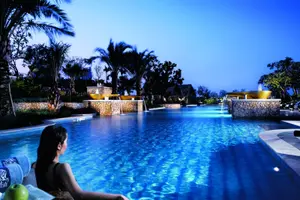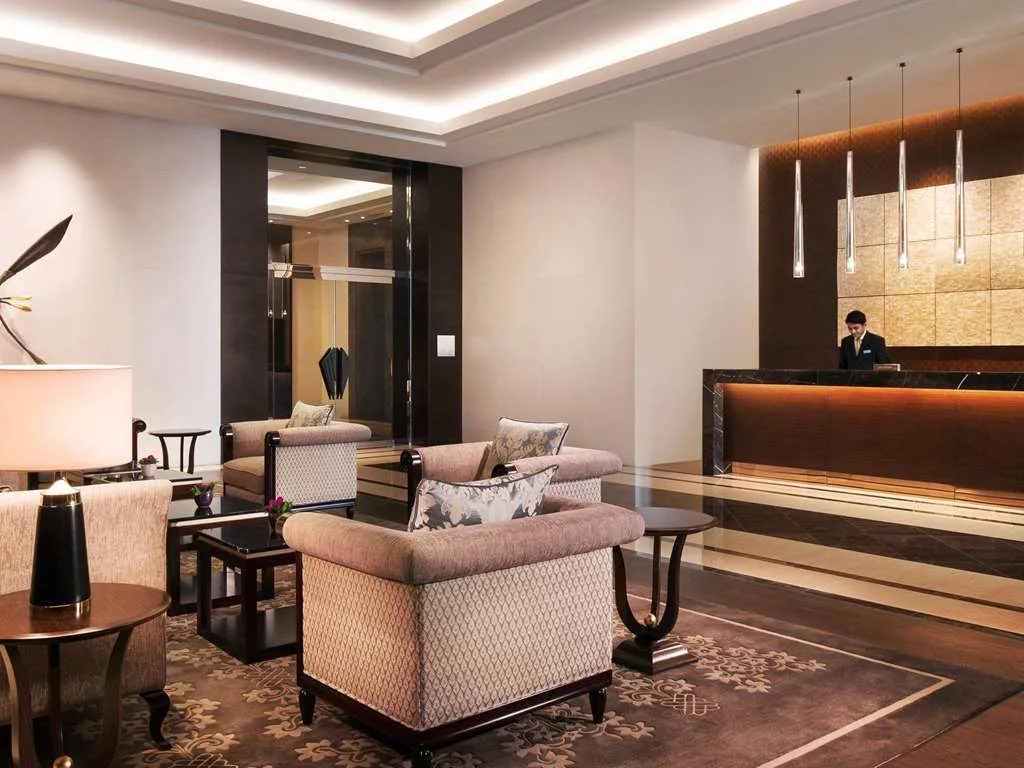
Fairmont Jakarta
When you book Fairmont Jakarta in Indonesia through our Accor Hera partnership, your stay includes daily breakfast for two and a $100 USD hotel credit. You also receive a room upgrade, early check-in and late check-out when available. You continue earning ALL Accor points and elite night credits. No premium credit card or membership needed: request a quote and our advisor books it at the same rate as booking direct.
Exclusive Booking Perks
These perks are included with your stay at the same rate as booking direct with the hotel.
- Daily complimentary breakfast for 2, per room
- $100 USD credit to be spent on property (conditions defined at check-in)
- Early check-in & late check-out (upon availability)
- Upgrade at time of check-in (upon availability)
Location
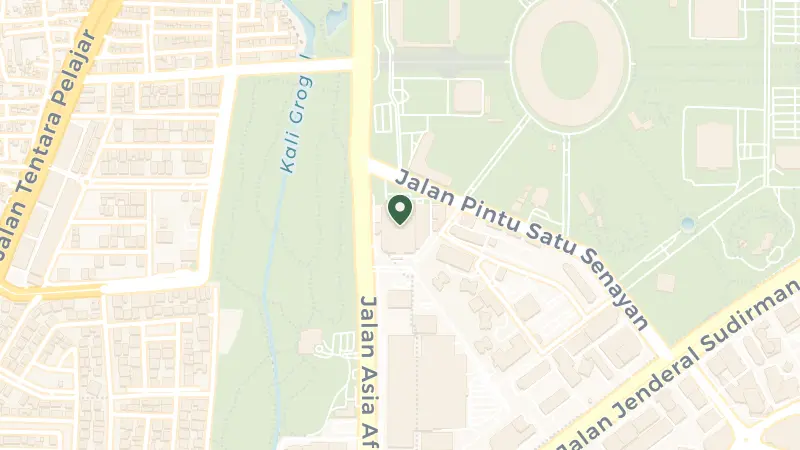
Fairmont brings its legacy of large-format hospitality to Jakarta, a city where centuries of history layer beneath skyscrapers and six-lane boulevards. This is the pulse of Indonesia: the seat of ASEAN, the sprawl of Jabodetabek, a metropolis that grew from the Sunda Kingdom's port through Dutch colonial rule as Batavia into the capital of the republic. The property sits in Tanah Abang, a district that straddles old commerce and new power, home to Southeast Asia's largest textile market and the western edge of the Sudirman Central Business District, where glass towers climb above the humid air.
The streets hum with motorbikes weaving through traffic, hawkers calling over sizzling street carts, the diesel smell of angkot minibuses mixing with incense from roadside shrines. Gelora Bung Karno Stadium rises nearby, a landmark of national pride. This is a working city, not a polished resort capital: markets spill onto pavements, construction cranes punctuate the skyline, and the pace is relentless. Jakarta sprawls across 662 square kilometres along the Java Sea, its neighbourhoods bleeding into neighbouring Banten and West Java provinces.
Halim Perdanakusuma International Airport lies eleven kilometres away; Soekarno-Hatta, the main international gateway, is nineteen kilometres northwest. Taxis and ride-hailing apps navigate the notorious traffic; allow extra time for any journey across the city.
Jakarta's culinary landscape is a sprawl of street-side warungs and air-conditioned malls, though Michelin has yet to arrive in the capital. The property's dining outlets handle most needs, but venture out to Pasar Santa, two and a half kilometres away, where a former traditional market now hosts indie cafés and craft beer taps alongside vendors grilling satay over charcoal. For textile merchants and local colour, Tanah Abang Market is the district's beating heart: bolts of batik, tailors with hand-cranked machines, the press of bargaining crowds. Pasar Palmerah, less than two kilometres distant, offers morning produce hauls and warung nasi goreng that locals queue for at dawn.
Cultural sites require crossing the city. The National Museum (Monas) and Kota Tua, the Dutch colonial quarter with its cobbled square and Fatahillah Museum, sit several kilometres north. Closer green space includes Pondok Indah Golf Course, six kilometres south, though Jakarta is not a walking city. Book a driver for half-day explorations; the humidity and traffic make spontaneous strolling impractical. If you need salt air, Marina Ancol lies twelve kilometres north, though the city's beachfront is industrial rather than resort-like. Jakarta rewards those who dive into its markets and street food rather than expecting postcard vistas.
June through September brings the dry season, when the city exhales. Humidity drops slightly, rain becomes rare, and temperatures peak around thirty degrees by midday. The light is harsh, white, unforgiving on concrete. This is the most comfortable stretch for walking through markets or temple courtyards, though air conditioning remains essential.
October ushers in the wet months, building through November and peaking from December to February, when afternoon downpours flood streets and bring traffic to a standstill. The air grows heavier, the sky grey-bellied by mid-afternoon. March and April taper off, still warm, still prone to sudden storms. Temperatures hover near thirty degrees year-round; seasons here are measured in rainfall, not cold.
The dry window is ideal for first-time visitors, but monsoon season has its own rhythm: the city slows after rain, the scent of wet earth rises from kampung alleyways, and evenings cool just enough to make street food stalls more bearable. Jakarta is a year-round destination if you embrace the weather rather than fight it.
Frequently Asked Questions

Quotes are personally reviewed by Natasha Hardy, founder of The Uncommon Traveller
5.0 rating · 8 Google reviewsThere is no fee or markup. The hotel pays our commission.
Request a Quote