Keraton at The Plaza, The Unbound Collection by Hyatt
When you book Keraton at The Plaza, The Unbound Collection by Hyatt in Jakarta, Indonesia, through our Hyatt Privé partnership, your stay includes daily full breakfast for up to two guests and a property credit. You also receive a priority room upgrade when available. No premium credit card or membership needed: request a quote and our advisor books it at the same rate as booking direct.
Special Offer
+ Enjoy a shared teppan experience or an exclusive arrangement for minimum of 4 to maximum seating of 8 guests at a particular time. Available every Friday and Saturday evening, as well as Sunday lunch
Exclusive Booking Perks
These perks are included with your stay at the same rate as booking direct with the hotel.
- Welcome amenity provided to guests upon arrival.
- Daily complimentary full breakfast at a hotel restaurant for up to two guests.
- Property credit (value varies by property).
- Priority for room upgrade (response within 24 hours of booking, subject to forecasted occupancy).
- Early check-in/late check-out/connecting rooms (response within 24 hours of request, subject to forecasted occupancy).
Location
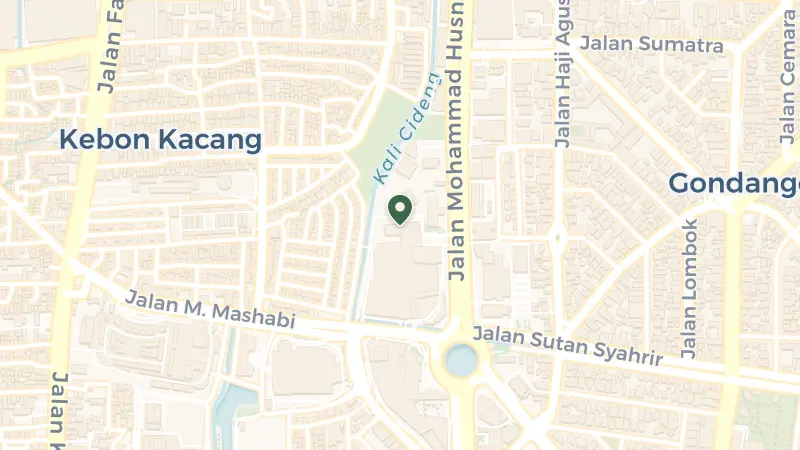
Hyatt's portfolio spans the full breadth of contemporary hospitality, from nimble select-service formats to properties defined by deep local character and design heritage. The Keraton at The Plaza occupies that latter space, a member of the Unbound Collection where individuality and neighbourhood context shape the guest experience more than brand formula.
Jakarta sprawls across the northwestern coast of Java, a sprawling metropolis where centuries of layered history meet Southeast Asia's economic engine. The hotel sits within Tanah Abang, a district defined by the rhythms of commerce: the vast Tanah Abang Market, Southeast Asia's largest textile bazaar, hums with traders and bolts of batik a kilometre away, while the western edge of the Sudirman Central Business District rises in glass towers just beyond. The air carries the faint salt of the Java Sea to the north, mingling with street-side satay smoke and the diesel hum of Jakarta's relentless traffic. The city's colonial past as Dutch Batavia lingers in pockets of Portuguese-tiled architecture, though modern Jakarta is unabashedly forward-facing: ASEAN's secretariat, national institutions, and corporate headquarters cluster here, making it the gravitational centre of Indonesian political and economic life.
Soekarno-Hatta International Airport lies twenty kilometres west, with shuttles and taxis threading through the urban sprawl. For domestic hops, Halim Perdanakusuma International Airport sits eleven kilometres southeast.
Tanah Abang Market, a short walk north, is an education in Indonesian textile craft: batik prints from Solo and Yogyakarta, songket weaves from Sumatra, bolts of silk and cotton traded at a dizzying pace. The market opens before dawn, its peak energy spent by mid-morning when vendors pause for sweetened tea and fried bananas. Pasar Lontar Kebon Melati and Pasar Pintu Air offer smaller-scale produce and spice stalls, while Pasar Kembang Cikini, just over two kilometres east, doubles as a flower market where frangipani and jasmine are bundled for temple offerings. Book a driver for an afternoon loop through these markets if you want to see Jakarta's working heart without the logistical friction.
Further afield, the Muara Angke Wildlife Refuge on the northern coast (just under twelve kilometres) shelters mangrove forests and migratory wading birds, a rare pocket of stillness in the metropolitan sprawl. Marina Ancol, roughly eight kilometres north, anchors Jakarta's bayside leisure district, where sailboats dot the water and evening crowds gather for seafood grilled tableside. For a daytrip inland, the Jakarta Golf Club offers a manicured six-kilometre escape west of the district, its colonial-era clubhouse shaded by rain trees.
Jakarta sits eight metres above sea level in the equatorial belt, which means heat is a constant and the question is simply how damp the air feels. June through September brings the driest stretch: mornings break clear, the Java Sea shimmers under hard sun, and afternoon temperatures nudge past thirty degrees without the weight of approaching rain. The city's rhythm quickens during these months, outdoor markets and evening promenades more tolerable once the sun dips.
October through April defines the wet season, though "monsoon" overstates the pattern. Rain arrives in sudden, drenching bursts rather than day-long grey, clearing as abruptly as it began and leaving the streets slick and steaming. December and January see the heaviest downpours, but they rarely disrupt plans for more than an hour at a time.
The shoulder months of May and October offer a middle ground: warm, intermittently rainy, and less crowded. Visit between June and September for the most reliable weather, but any month delivers Jakarta's essential character, heat and all.
Frequently Asked Questions

Quotes are personally reviewed by Natasha Hardy, founder of The Uncommon Traveller
5.0 rating · 8 Google reviewsThere is no fee or markup. The hotel pays our commission.
Request a Quote