Mandarin Oriental, Jakarta
When you book Mandarin Oriental, Jakarta in Indonesia, through our Mandarin Oriental Fan Club partnership, your perks are confirmed with your quote. No premium credit card or membership needed: request a quote and our advisor books it at the same rate as booking direct.
Exclusive Booking Perks
Perks at this property are confirmed with your quote. You book at the same rate as booking direct.
- Exclusive perks available
- 9 exclusive perks included with your booking. Message us on WhatsApp for details.
Location
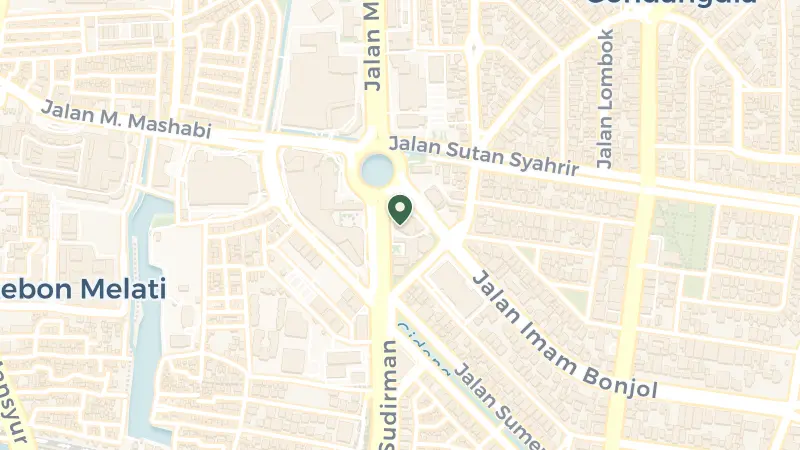
Mandarin Oriental has maintained its reputation for blending Eastern hospitality with Western precision since 1963, and that duality feels especially apt in Jakarta, a city suspended between its colonial past and its kinetic present. The hotel sits in Menteng, Central Jakarta's first garden suburb, a neighbourhood laid out in the 1910s for Dutch colonials and still marked by wide, tree-shaded boulevards that feel worlds away from the capital's notorious traffic churn. The district retains a residential elegance, its low-rise architecture and greenery a deliberate counterpoint to the glass towers rising elsewhere in the city.
Jakarta sprawls along the northwestern coast of Java, where the Ciliwung River meets the Java Sea. This is Indonesia's political and economic engine, home to national institutions and the ASEAN secretariat, a megacity whose history reaches back to the Sunda Kingdom's port of Sunda Kelapa. The Dutch rebuilt it as Batavia in 1619, and traces of that colonial identity linger in street names and old quarters, though the city today thrums with the momentum of a capital that shed its colonial name after independence in 1945.
Halim Perdanakusuma International Airport lies eleven kilometres southeast, while Soekarno-Hatta, the main international gateway, sits twenty kilometres west. Both are reachable by taxi or ride-hailing apps, though the city's congestion means journey times vary wildly depending on the hour.
Menteng's tree-lined streets reward unhurried walks, and the neighbourhood's colonial grid layout makes orientation straightforward. Pasar Lontar Kebon Melati, just over a kilometre from the property, offers a glimpse of daily Jakartan life: produce stalls stacked with mangosteen and rambutan, vendors selling nasi goreng from dawn onwards, the sharp scent of sambal mingling with diesel fumes. Further afield, Pasar Kembang Cikini, two kilometres east, specialises in flowers and plants, its aisles vivid with orchids and frangipani. The Jakarta Golf Club, six kilometres out, is one of the city's oldest courses, its fairways a green retreat from urban intensity.
For a broader sense of the capital's sprawl, Marina Ancol on the northern shore (eight kilometres) provides access to the Java Sea and a strand of reclaimed beaches, though the water itself is more functional than swimmable. Book a day trip to Muara Angke Wildlife Refuge, twelve kilometres northwest, where mangrove forests shelter migratory birds and mudskippers navigate the brackish channels. The city's dining scene tilts heavily toward Indonesian regional cooking, and street-side warungs around Menteng serve gado-gado and soto Betawi with none of the formality found in hotel restaurants.
Jakarta's equatorial position means warmth year-round, with daytime temperatures hovering between 28 and 31 degrees. The air is almost always humid, the kind that clings to your skin within minutes of stepping outside.
The dry season runs from June through September, when rainfall dips sharply and the city's pace accelerates. Mornings start hazy, afternoons glare white, and evenings bring only marginal relief. This is the most reliable window for outdoor exploration, though "dry" is relative in a city where brief afternoon showers can still materialise.
October through March is the wet season, with December and January seeing the heaviest downpours. Afternoon thunderstorms flood streets quickly, and the city's drainage struggles are no secret. Still, rain often arrives in short, violent bursts rather than all-day drizzle, leaving clear mornings for early starts. The wet months bring a softer light and fewer crowds at markets and cultural sites.
Frequently Asked Questions

Quotes are personally reviewed by Natasha Hardy, founder of The Uncommon Traveller
5.0 rating · 8 Google reviewsThere is no fee or markup. The hotel pays our commission.
Request a Quote